
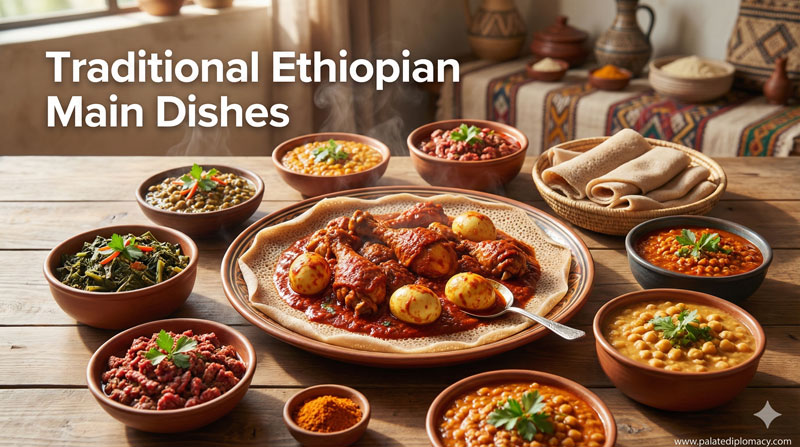
What Makes Gomen Besiga So Special in Ethiopia
Gomen Besiga is more than a dish. It is a quiet celebration of care, craft, and community. In Ethiopia, meals carry a sense of belonging, and this hearty combination of greens and meat sits at the heart of many family tables. The dish speaks through aroma, texture, and color, inviting everyone to share in a simple moment of nourishment. Its appeal lies in balance: tender greens meeting savory meat, all warmed by spice and the comforting richness of clarified butter. When you taste it, you sense a heritage of patient simmering, attentive seasoning, and generous hospitality.
Core Elements of Gomen Besiga
At the core, gomen besiga pairs leafy greens with small pieces of meat. The greens most often used are sturdy varieties like collard greens, which hold their shape as they braise. The meat adds depth and a gentle richness that makes the dish feel both indulgent and comforting. Flavor comes from a few essential elements: aromatics such as onion and garlic, a touch of ginger in some kitchens, and the signature richness of niter kibbeh, a spiced clarified butter that perfumes the pot. This combination creates a sauce that is savory, slightly sweet from the onions, and deeply fragrant from the spice blend. The method emphasizes layering flavors: first sautéing aromatics, then adding greens and meat, and finally letting everything simmer until the greens drink in their own juices and the meat becomes melt-in-the-mouth tender.
In many homes, a subtle kiss of berbere or other regional chili blends can brighten the pot with warmth. Yet the true heart of gomen besiga is restraint. The greens are not overwhelmed; instead, they release their bitterness gradually and mingle with the meat’s savor, producing a harmony that feels wider than the sum of its parts. This balance reflects a culinary philosophy in Ethiopia: respect for ingredients, patience in cooking, and a sense of harmony at the table.
The Cooking Craft: How Gomen Besiga Comes to Life
The craft of gomen besiga is grounded in technique as much as in taste. First, cooks heat niter kibbeh to carry spice and aroma. The onions and garlic are stirred until they glow with a gentle sweetness. Then meat is added, seared to recolor and seal in juices. Next come the greens, sliced or chopped, which release their own moisture as they braise. The pot breathes as steam carries the scent of herbs and clarified butter through the kitchen.
A careful simmer follows. The greens soften slowly, and the meat absorbs the surrounding flavors. The result is a sauce that clings to each leaf and each morsel of meat. The texture tells a story: greens that hold their substance yet yield to the bite, meat that remains tender but is infused with spice and fat. Throughout, the cook tastes and adjusts, often relying on the natural sweetness of onions and the savory depth from the spice blend. This measured approach creates a dish that feels both rustic and refined—a gentle invitation to savor and share.
Cultural Significance at the Table
In Ethiopian dining culture, the table is a place of hospitality, conversation, and togetherness. Gomen besiga often makes a memorable appearance during family meals and celebratory gatherings, where it sits alongside other dishes on injera, the soft flatbread that serves as both plate and utensil. The act of tearing injera and dipping it into the gomen besiga turns eating into a shared ritual. People gather around the spread, exchanging stories, jokes, and greetings, while the flavors mingle and remind everyone of common roots.
This dish embodies generosity. The process of simmering greens and meat is generous in time and attention, reflecting care for the family and guests. When a pot is placed on the table, it signals that everyone is welcome to partake, to take a bit of greens, a nibble of meat, and a slice of bread with it. Such moments reinforce a sense of belonging and daily joy. The dish also marks seasons and occasions; it can be part of everyday dinners or elevated for special meals when more guests arrive, proving its versatility and steady comfort in Ethiopian food culture.
Regional Variations and Personal Touches
Across regions and households, gomen besiga carries subtle differences that enrich its character. Some cooks favor a stronger greens-forward edge, letting greens linger in the pot a little longer for a darker color and deeper savor. Others emphasize the meat’s presence, using larger chunks so the bite of beef remains distinct within the tender greens. The spice profile adapts as well: a brighter note may come from a hint of fresh ginger or a touch of chili, while others keep the flavor closer to a pure, butter-infused profile. These variations reflect personal preferences and local harvests, yet always share the same core idea—a hearty, well-balanced dish that honors both land and labor.
In addition, the choice of meat can influence the dish’s character. Lean cuts keep the sauce lighter and allow greens to shine, while richer cuts emphasize a luxuriant mouthfeel and a deeper meat flavor that lingers on the palate. Regardless of the variation, the essence remains the same: a soulful combination of greens and meat braised with care, layered with aromatics, and served with warmth.
Pairings, Serving, and Enjoyment
Gomen besiga finds its natural partner in injera, which soaks up the sauce and carries flavor with every bite. The bread’s texture provides a satisfying contrast to the soft greens and tender meat. A simple accompaniment of lentils or a light salad can balance the plate, but the heart of the meal remains the gomen besiga and injera together. Some households enjoy a fresh squeeze of lemon or a dash of salt to brighten the dish just before serving, while others savor the pure, unaltered flavors as the sauce coats each piece of greens and meat.
The sensory experience is as important as the taste. The aroma—rich, buttery, and infused with onion and garlic—creates anticipation before the first bite. The color, from the deep green of the greens to the warm amber of the butter, invites the eye to linger. The texture offers a gentle progression from bite to melt, a comforting rhythm that mirrors the meditative pace of a shared meal.
A Feast for the Senses and the Spirit
What makes gomen besiga truly special is how it engages all the senses and invites connection. The dish teaches patience and gratitude: a pot slowly transforms a handful of greens into a nourishing, fragrant centerpiece. It honors everyday life by turning simple ingredients into something memorable. It celebrates abundance without excess, and it invites everyone at the table to participate in a moment of communal nourishment. The result is a dish that feels both familiar and special, a reliable star in the repertoire of Ethiopian comfort food.
Closing Reflections
Gomen besiga stands out not only for its flavor but for The Story it tells about Ethiopian eating: respect for greens, reverence for meat, a careful balance of spice and butter, and a practice of sharing that makes a meal a gathering. It is a dish that travels smoothly from family dinners to small gatherings, always returning to its core: nourishment prepared with care, served with warmth, and enjoyed together. If you encounter gomen besiga at a table, take a moment to notice the colors, the aroma, and the way the greens and meat come together. In that harmony you will glimpse the beauty of Ethiopian food culture, where every bite affirms hospitality, community, and the quiet joy of eating well.