
Why Jerk Chicken Is One of the Caribbean’s Most Loved Dishes
Jerk chicken holds a special place in Caribbean kitchens. It blends flame, spice, and warmth. People gather around a grill to watch the meat cook. The aroma travels through the air and invites conversation. The dish feels Like a shared ritual, a celebration of skill, patience, and hospitality. In the Caribbean, jerk chicken stands as a beloved expression of taste, craft, and care. It welcomes neighbors, friends, and strangers to a table that feels like home.
The Spice Symphony: What Makes Jerk Marinade Stand Out
The heart of jerk chicken is the spice blend. Chefs build a bold, layered perfume from a few core ingredients. Allspice, or pimento, adds warmth and depth. Scotch bonnet peppers bring bright, lively heat. Thyme, garlic, and scallions give fresh, green notes. Salt and pepper provide balance. Ginger and nutmeg bring subtle sweetness that hums beneath the heat. Some cooks add cinnamon for a touch of comfort. The paste coats the chicken and clings through every bite, from surface to bone.
The Cooking Craft: Smoke, Flame, and Technique
Tradition guides the cooking method, but the result is universal in its appeal. First, chefs rub the chicken with the spice paste and let it rest to absorb flavors. Then they cook slowly over flame. Charcoal or wood fires add a distinct, smoky character, while a modern grill can approximate that mood with care. The wood often used is pimento, which sweetens the smoke and infuses the meat with a citrusy kiss. The skin sears to a glossy crust, and the inside stays tender and juicy. The process teaches patience and precision, two hallmarks of Caribbean cooking.
A Culinary Tradition Across Caribbean Kitchens
Jerk chicken travels across Caribbean kitchens, yet it keeps a strong local voice. In Jamaica, it often speaks with a bold, robust smoke and a pronounced pepper bite. In neighboring islands, cooks adapt heat levels and herb choices to local tastes, creating a gentle or a vibrant profile while preserving the core idea: a seasoned, slow-cooked chicken that sings with smoky aroma. The method remains recognizable—rub, rest, grill—but each kitchen adds its own character. The dish travels well, yet its heart stays rooted in home cooking and street grilling. This shared approach weaves a common thread through Caribbean Food Culture.
Social Flavor: Sharing Jerk Chicken
Cooking jerk is a social act. Families gather to marinate and grill together. Vendors bring jerk to markets, inviting bites and stories. The dish appears at celebrations, street food nights, and family reunions. Its appeal lies in accessibility and generosity. People swap tips, exchange spice blends, and pass down techniques to the next generation. When friends and neighbors share a plate, they share more than flavor; they share a sense of belonging and pride in a local craft.
Pairings, Presentation, and Everyday Brilliance
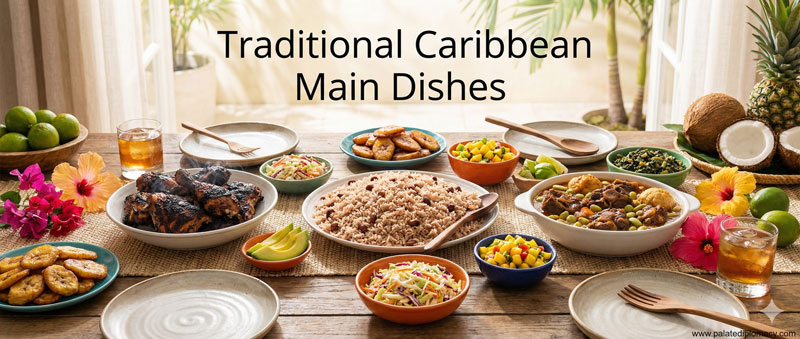
Jerk chicken shines with thoughtful pairings. Rice and peas, fried dumplings, or ripe plantains complement its heat and smoke. A cool, tangy pepper sauce refreshes the palate and invites another bite. Lime wedges add brightness on the plate, while a side of festival or bammy introduces texture and sweetness. The presentation is inviting: glossy glaze, charred edges, and a color that speaks of sun and flame. In every setting, the dish brings a moment of celebration to a simple meal.
Preserving Craft: Freshness, Care, and Continuity
Craftsmanship guides every step. Fresh herbs, onions, and peppers brighten the paste. Marinade times vary, but many cooks favor several hours or overnight for deeper integration. Fire control matters most; steady heat yields even cooking and a better crust. The craft is handed down through families and curious cooks in markets, ensuring that the method remains alive and evolving. This ongoing practice keeps jerk chicken vibrant, relevant, and cherished year after year.
Conclusion: A Dish That Feels Like Home
Jerk chicken is more than a flavorful dish. It is a doorway to warmth, shared meals, and skilled preparation. It shows how a simple marinade can become a local treasure with a powerful sense of place. By embracing its spice and smoke, we celebrate Caribbean culinary culture and the people who bring it to life. The dish invites us to linger, taste, and connect—one delicious bite at a time.