
Why Jollof Rice Is One of Nigeria’s Most Loved Dishes
Jollof rice stands tall in Nigerian kitchens because it blends care, color, and comfort. The pot hums with activity as onions, peppers, and tomatoes simmer together. The aroma invites neighbors and guests to the table. This dish carries memory and meaning in every spoonful. It marks celebrations, everyday meals, and quiet moments of togetherness. In short, Jollof rice is a daily celebration of flavor and community.
At its core, Jollof is a promise of nourishment and warmth. Families teach The Best way to balance heat, salt, and sweetness. People learn timing as the sauce thickens and the rice absorbs notes from the spices. The dish is also a personal canvas. Each cook adds a touch—more pepper, a wink of smoked meat, a splash of stock—that makes the recipe feel like home. That personal touch is why so many households feel a sense of ownership and pride when their Jollof comes to the table.
The Core of Flavor: Ingredients and Technique
The heart of Jollof is simple in spirit and bold in taste. Begin with parboiled long-grain rice for a firm, fluffy bite. Create a bright, thick sauce by blending ripe tomatoes, red bell pepper, and a touch of hot pepper with onions. Simmer this mix until rich and fragrant, then fold in tomato paste for depth. Heat oil, sauté onions until translucent, and then introduce the tomato-pepper blend. The sauce should thicken and perfume the kitchen.
Next comes the liquid and seasoning. Add stock or water, a pinch of salt, and a careful lineup of spices. Common companions include thyme, curry powder, bay leaves, and a touch of garlic or ginger. Some cooks add a stock cube for roundness, while others rely on slow-simmered flavors from the tomato base. Finally, stir in the rice and let it simmer gently. The goal is a tender grain that carries the sauce rather than floating in excess liquid.
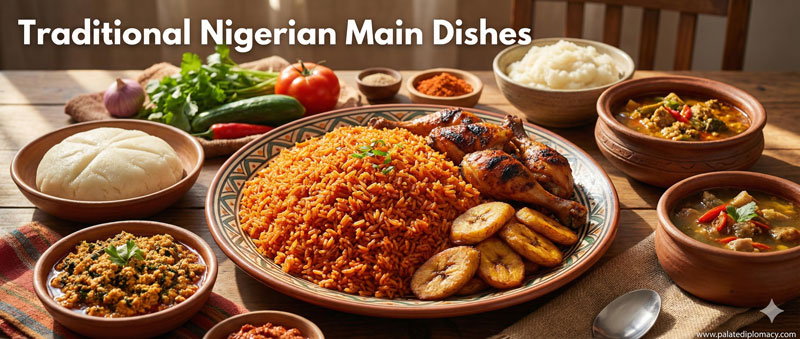
A well-made Jollof shows in texture. Each grain should be distinct, yet cohesively coated with sauce. The bottom layer of the pot may form a subtle crust, cherished by many cooks for its crisp, caramelized edge. This “bottom layer” adds contrast to the soft, saucy grains above. For a fuller plate, households pair Jollof with fried plantains, grilled vegetables, or a simple protein such as chicken or fish. These pairings enhance the flavors without overpowering the rice.
Shared Moments at the Table
Jollof rice is a signal that a meal is about to begin. The aroma travels through the house and settles in the heart. Families gather, chat, and share stories as the pot cooks. In many homes, children learn the rhythm of the kitchen by watching and helping. A spoonful of Jollof is a reminder that patience in the kitchen yields warmth on the plate.
At gatherings, the dish becomes a centerpiece. It sits beside sides and proteins, inviting guests to serve themselves. People celebrate with generous portions, savoring the balance between bright tomato sauce and the comforting, mellow rice. The act of serving itself reinforces connection. Passing plates, offering seconds, and praising the cook—all of these moments knit the meal into memory.
Regional Twists and Variations
Nigeria’s diverse culinary landscape adds lively twists to Jollof. In coastal regions, cooks may adjust the pepper level to match the local palate, producing a brighter, fruitier finish. In other areas, a touch of smoked meat or fish adds a smoky edge that mingles with the tomato base. Some kitchens enrich the sauce with a little palm oil for an earthy, reddish sheen. Others opt for a lighter tomato presence, letting the rice do more of the talking.
These variations matter because they reflect local tastes and family traditions. Yet, across these differences, the core idea stays constant: a one-pot dish that tastes like home, prepared with care, and shared with others. This unity in diversity is a quiet strength of Jollof rice in Nigerian Food Culture.
The Scent, Color, and Craft
Color matters in Jollof. The sauce bathes the rice in a warm red-orange glow that feels welcoming and festive. The scent blends tomato sweetness with pepper heat and onion fragrance. The best versions balance acidity with sweetness and a hint of smokiness from the pan. The result is an inviting plate that looks vibrant and tastes comforting.
Culinary craft shines in small details. Gentle stirring prevents burning and helps the rice absorb the sauce evenly. Resting the dish briefly after cooking allows flavors to meld. These precise moments, though simple, elevate a family favorite to a dish that feels crafted rather than rushed.
The Living Kitchen: Teaching and Taste
Jollof rice travels from grandparents to grandchildren through practice and memory. Recipes are shared beside the stove, not just in a cookbook. Each cook adds something new—an extra tomato, a different spice, a preferred protein. This adaptive process teaches care, balance, and respect for ingredients.
In homes and cooking classes, people practice the same steps: prep the base, simmer the sauce, fold in the rice, simmer again, and rest. These practices foster confidence in the kitchen and appreciation for Nigerian flavors. The dish becomes a bridge between generations, inviting everyone to participate in a shared culinary heritage.
Conclusion: A Dish That Speaks of Flavor, Family, and Culture
Jollof rice remains one of Nigeria’s most loved dishes because it blends flavor, memory, and hospitality. It is more than a meal; it is a daily festival of color, aroma, and togetherness. The dish invites people to gather, to share, and to celebrate the simple joy of a well-made plate.
In every kitchen, in every home, Jollof rice tells a story of care. It reminds us that food can bring warmth to a room and connection to a family. With its flexible palate, its vibrant appearance, and its comforting texture, Jollof rice holds a lasting place in Nigerian food culture. And that is why it remains cherished, time and again, at tables across the country.