
How Kitfo Became Popular in Ethiopian Cuisine
Ever since it first appeared in Ethiopian kitchens, kitfo has stood for more than a tasty bite. It embodies warmth, skill, and a shared love of flavor. This post explores the cultural value and culinary significance of kitfo, and how it grew to be a beloved staple in Ethiopian Cuisine. The Story celebrates hospitality, craft, and the beauty of communal eating.
What Kitfo Is and How It Is Made
Kitfo starts with finely minced beef. A cook seasons it with niter kibbeh, a fragrant spiced butter, and mitmita, a bold chili blend. The meat rests briefly to marry the flavors, then is tossed gently to coat every piece. Some cooks offer a lightly cooked version; others present it almost raw for a delicate, bright center. The dish arrives on injera or flatbread, with fresh greens or onions on the side. The result is a glossy, aromatic centerpiece that invites careful tasting and slow enjoyment.
A Dish Born from Hospitality
Hospitality shapes kitfo’s status in Ethiopian culture. Hosts present their best ingredients with generous pride. The preparation itself becomes a ritual of welcome: selecting quality meat, toasting spices, and blending in butter until the aroma rises. This act signals care and respect for guests. The beauty of kitfo lies in its balance—meat, fat, and heat harmonize to create a dish that feels both celebratory and intimate.
The Social Ritual of Serving Kitfo
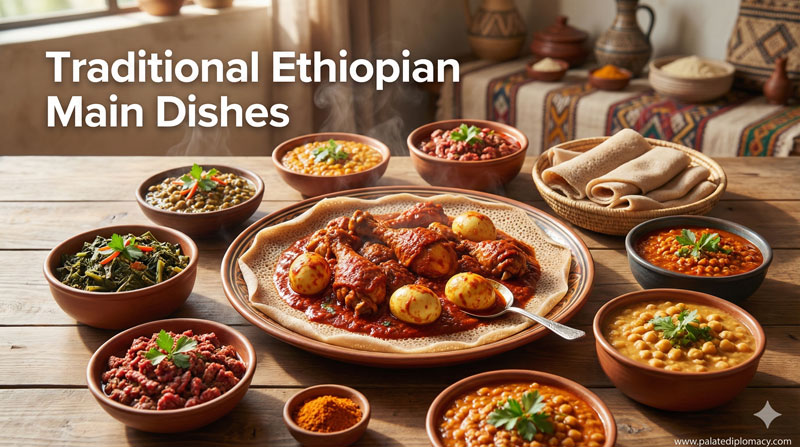
Kitfo is often shared on a central platter or in bowls at the heart of the table. Diners gather with injera to scoop, dip, and savor together. This shared presentation fosters connection and a sense of belonging. The dish pairs with other staples like lentils, greens, and bread, producing a vibrant spread that suits everyday meals and special occasions alike. The sizzle of butter, the warmth of spice, and the soft texture of injera invite conversation and mindful tasting.
Regional Variations and Flavor Profiles
Across Ethiopia, spice blends and meat choices vary, adding regional color while preserving core characteristics. Some areas favor a milder note, others emphasize pepper heat and aromatic companions such as cardamom. The butter base can differ in richness and sweetness, shaping the final mouthfeel. These variations reveal how kitfo travels through markets and kitchens, absorbing local accents while keeping the essence of the dish intact. The result is a national dish that feels both rooted and dynamic.
Pairings and Serving Traditions
In most settings, kitfo shines beside injera, raw onions, and fresh greens. A light salad or legumes can balance the heat and fat. A small cup of Ethiopian coffee often accompanies the meal, underscoring a culture focused on savoring rather than rushing. The serving ritual emphasizes sharing, balance, and clarity of flavor, making every bite a moment of communal appreciation.
Craft, Care, and Culinary Significance
The craft behind kitfo lies in precise timing and texture. The grind should be fine enough to feel almost paste-like, yet distinct in each bite. The warmth of niter kibbeh must lift the spices without overshadowing the meat’s sweetness. A skilled cook adjusts the fat content and spice balance to suit the meat and the occasion. Through careful technique and respect for ingredients, kitfo becomes a touchstone of culinary excellence in Ethiopian cooking.
Looking Ahead: Kitfo in Modern Ethiopian Cuisine
Today, kitfo appears in both home kitchens and contemporary eateries. Chefs experiment with texture, from finely minced to gently seared variants, while honoring tradition. The core values endure: hospitality, communal eating, and a reverence for bold yet balanced flavors. Kitfo continues to illuminate Ethiopian culinary heritage and invite new tasters to experience its vibrant, welcoming spirit.