
Why Kitfo Shines in Ethiopian Cuisine
Kitfo is more than a dish. It is a reflection of careful tradition and warm hospitality. In Ethiopian kitchens and gatherings, kitfo holds a special place. The way it is prepared and shared speaks clearly about taste, craft, and community. When people hear the name, they often imagine the bright aroma of spices and the inviting sight of a platter shared among friends and family. This dish celebrates balance: fire from spices, coolness from meat, and the comforting glue of injera that carries every bite.
The Core of Kitfo: Ingredients and Technique
The heart of kitfo is simple yet precise. Finely minced beef is seasoned with a bright blend of spices. Common companions are mitmita or berbere, which bring heat and depth, plus salt to lift every note. A key partner is niter qibe, clarified butter infused with spices. This butter adds richness and a silky gloss that coats the meat. Some cooks heat the butter briefly to release aroma before mixing it in. The result is a dish whose texture is tender and its flavor layered. Freshness matters here, and skill shows in the balance of heat, fat, and meat essence.
Kitfo and Community: Shared Meals and Hospitality
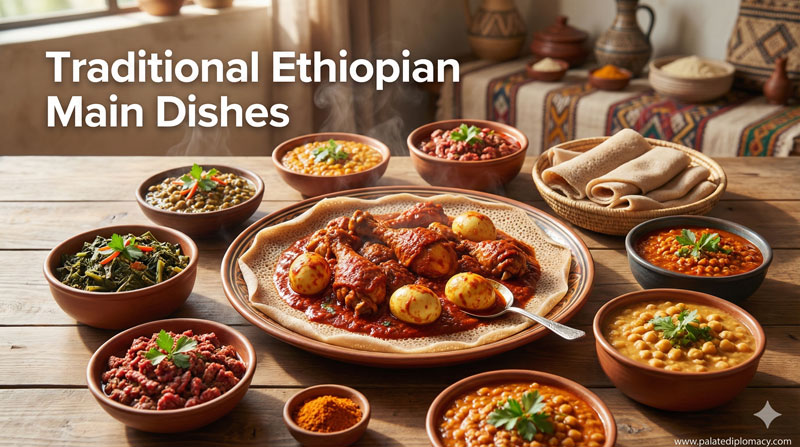
Hospitality shines through kitfo. It is customarily laid out on a broad platter with injera beneath or nearby. Guests gather around, dipping, tearing, and sharing. The act of mixing meat with butter becomes a small ceremony of cooperation and care. The host’s attention to taste and texture signals respect for guests. In this way, kitfo becomes a bridge between cooks and eaters, a mutual enjoyment of flavor and culture. The serving style invites conversation, smiles, and a sense of belonging.
The Taste Profile: What Draws People In
Kitfo offers a distinctive experience. The meat carries a clean, beefy note, tempered by the warmth of spices. The mitmita or berbere adds a bright kick, while kororima (a form of cardamom) can give a whisper of sweetness. Butter rounds out the bite with a velvety aftertaste. Together, these elements create a harmonious profile: spicy, fragrant, and deeply satisfying. The balance makes it appealing to first-timers and long-time fans alike.
Variation and Adaptation: From Raw to Lightly Cooked
Tradition favors raw or near-raw kitfo, but cooks adapt to preference and occasion. Some diners enjoy a lightly cooked version, where the heat from the spices and butter is gentle enough to soften the texture slightly. This variation still honors the core technique: fine mince, careful seasoning, and a careful hand with the butter. The choice of spice level allows households to express their own family character while keeping the essence of kitfo intact.
Serving Traditions: Injera, Mitmita, and Niter Qibe
Injera plays a central role in how kitfo is enjoyed. The soft, spongy bread acts as both plate and utensil. It soaks up the butter and spices, delivering a cohesive bite. Mitmita adds brightness and heat, while niter qibe provides depth and a luxurious mouthfeel. The combination creates a sensory rhythm—start with aroma, then taste, and finish with a clean, comforting aftertaste. The textures and scents invite lingering at the table, a sign of true culinary welcome.
Preserving Craft: Techniques Passed Down
Mastery in kitfo comes from patient repetition and careful control. Grinders or knife skills create the fine mince that defines the dish. Butter is heated with spices to release essential oils, then whisked into the meat with purpose. Seasoning is adjusted by feel, not by guess. The craft survives through generations by tutors, cooks, and shared kitchens that emphasize attention to detail and respect for ingredients. This transmission keeps the dish vibrant and relevant in new kitchens.
Kitfo in Modern Tables: Everyday Meals and Special Occasions
Today, kitfo graces both everyday menus and festive spreads. In homes, it appears as a beloved weeknight centerpiece or a thoughtful weekend treat. In restaurants, chefs emphasize quality meat, fresh spices, and precise technique, bringing a refined touch to a familiar dish. Regardless of setting, kitfo remains a celebration of skill, aroma, and companionship. Its presence signals appreciation for culinary heritage and a desire to keep it alive in daily life.
Conclusion: The Enduring Love for Kitfo
Kitfo stands as a cherished pillar of Ethiopian food culture. Its beauty lies in balance: the tenderness of meat, the sparkle of spices, and the richness of clarified butter. It invites people to gather, share, and savor with intention. Through kitfo, cooks honor tradition while inviting new tastes and interpretations. In every bite, there is a story of hospitality, craft, and a national love for food that nourishes both body and community.