
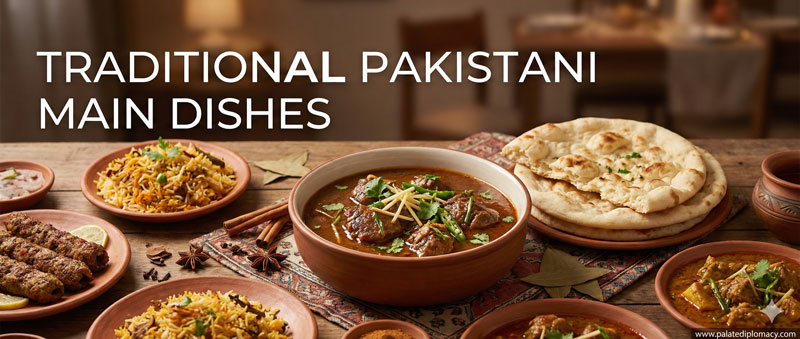
What Makes Korma Special in Pakistan
Korma is more than a dish. In Pakistan, it stands as a warm welcome, a sign of care, and a celebration of everyday togetherness. The creamy curry, rich with nuts and gentle spice, creates a sense of comfort at the table. When a pot of korma arrives, it invites conversation, shared stories, and a moment to slow down and savor. This is where food meets culture in a very human way.
The Quiet Craft: Techniques that Elevate Korma
The magic of korma lies in careful technique. First, cooks build a smooth, fragrant base with yogurt or cream, ground nuts, and a subtle blend of spices. Next, they simmer slowly, allowing the dairy to merge with the warmth of spices without curdling. The result is a glossy sauce that clings to each piece of meat or vegetable. Finally, a final flourish—often a few saffron threads, a dash of ghee, and a gentle heat—lifts the dish into something memorable. The process rewards patience, attention, and the cook’s sense of balance. With each step, the kitchen becomes a quiet studio where flavor is taught to harmonize rather than shout.
Regional Expressions: A Tapestry of Flavors
Pakistan’s landscapes shape its korma. In Punjab, the version tends to be deeply creamy, with a velvety texture that coats both meat and bread. In Sindh, cooks may introduce a touch more sweetness or a lighter nut note, creating a gentle contrast that feels bright and inviting. In other regions, regional ingredients find their way into the curry—cashews, almonds, coconut, or pistachios—adding texture and aroma. Yet across these variations, the heart remains the same: a dish that embraces every bite with warmth and care. The shared technique travels from kitchen to kitchen, while local accents celebrate each community’s unique palate.
The Social Soul of Korma
Korma has a social life as rich as its sauce. It appears on the table for family gatherings, festive meals, and everyday hospitality. Hosts often prepare it as a centerpiece to honor guests, signaling that they value the guest’s presence. Families gather around the same pot, slicing bread, dipping, and passing bowls with a practiced grace. The ritual of sharing—portions handed to elders first, bread torn into pieces for dipping, raita offered as a cooling companion—reinforces respect, connection, and joy. In this sense, korma becomes a language of care spoken with ladles and naan.
The Scent, Color, and Memory of Korma
A great korma delights the senses before a bite is taken. The aroma blends roasted spices, toasted nuts, and dairy, rising from a simmering pot. The color—creamy, with a warm sheen—signals richness without heaviness. Each spoonful carries a memory: a grandmother’s steady hand, a friendly host welcoming guests, a quiet afternoon spent around a dining table. These sensory cues help the dish travel beyond taste, becoming a shared memory that families pass down through generations. In Pakistan, korma’s scent and appearance help define a moment of connection and care.
Korma in Modern Pakistan: Homes and Restaurants
Today, korma travels through many dining spaces. In homes, families adapt the recipe to personal tastes, maintaining the core idea of creaminess and balance while choosing ingredients that suit their market and season. In restaurants, chefs elevate the dish with precise timing, higher quality nuts, and delicate garnish. The result is a bridge between tradition and contemporary dining—yet the essence remains intact: korma as a generous, comforting meal that honors guests and hosts alike. This adaptability shows the dish’s enduring relevance in Pakistan’s evolving Food Culture.
The Heartbeat of Pakistani Korma
Ultimately, What Makes korma special in Pakistan is its ability to carry hospitality into every bite. It embodies patience, care, and togetherness. It invites people to slow down, share a table, and enjoy a moment of warmth. The dish honors farmers, cooks, and families, linking generations through a common, comforting flavor. When you taste korma, you taste a culture that values generosity, balance, and connection. That simple, profound resonance is what keeps korma at the center of Pakistan’s culinary landscape.