
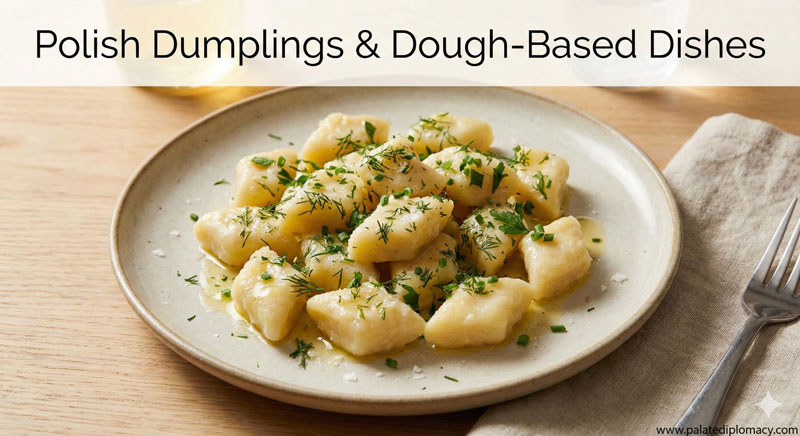
Introduction: Top Reasons Locals Love Eating Pierogi
Pierogi are small, stuffed dumplings that shine in local kitchens. They bring warmth, skill, and a sense of place to the table. This post highlights the cultural value and culinary significance behind the dish. You will read about texture, technique, and how pierogi fit into everyday life. The focus stays on flavor, craft, and tradition. The result is a clear, inviting look at Why Locals reach for pierogi again and again.
The Craft of the Dough
The dough forms the backbone of every pierogi. It uses simple ingredients: flour, eggs, a pinch of salt, and water or milk. The goal is a smooth, pliable sheet. The dough rests briefly, then is rolled thin and cut into rounds. A gentle seal around each filling keeps flavors inside. When boiling, pierogi rise to the surface, signaling they are ready. A quick finish in butter or oil adds a light, crisp edge. The dough invites hands-on care and precise technique.
Fillings That Tell a Story
Fillings tell local stories with familiar flavors. Potato and cheese is a classic pairing that speaks to comfort and heartiness. Mushroom and onion offer earthy notes and a seasonal aroma. Cabbage with aromatic herbs makes a savory bite with a gentle tang. Sweet variants pair creamy cheese with fruit like berries or plums for a special treat. Each filling reflects available ingredients and household preferences, transforming pierogi into a small culinary map of the season.
A Friendly Food in Daily Life
Pierogi sit well at the center of daily life. Local kitchens often prepare a batch for family meals, weekend gatherings, or market stalls. They travel from pot to plate with friends and neighbors. The act of sharing pierogi creates a simple, friendly ritual. This accessibility helps pierogi endure as a beloved staple. The dish feels both familiar and celebratory, no matter the occasion.
Regional Flavors Across the Kitchen
In different towns, you may notice subtle twists. Some regions favor potato and cheese, while others highlight mushroom, onion, or cottage cheese. Seasonings vary with local herbs—dill, chives, or marjoram add brightness. The dough might be a touch thicker in one area and silkier in another. These variations keep the dish dynamic while preserving its core identity. The result is a family of pierogi that speaks to local taste and craft.
Cooking Traditions: Boiled Then Fried
Two classic methods shape texture and aroma. Boiling yields a tender, silky bite. Frying afterward in butter or oil creates a delicate crust that crackles softly. Some households combine both methods for contrast: soft centers with a golden edge. Serving can include a dollop of sour cream, a sprinkle of onions, or a light drizzle of oil. The methods are simple, yet they elevate flavor and mouthfeel.
Social Moments and Festive Traditions
Pierogi are often tied to communal moments. Local markets showcase fresh fillings and handmade dough. Families meet to prepare a batch, turning cooking into shared time. Festivals may celebrate harvests or city memories with pierogi on the table. In every setting, the dish encourages conversation and connection. The result is a dish that feels welcoming and inclusive.
How to Enjoy Pierogi at Home
Start with fresh dough and well-chosen fillings. Boil gently until they float, then drain. If you Like a bit of crunch, finish with a quick fry in butter. Pair with a simple sour cream or a light onion topping to enhance the flavors. For variety, try different fillings across a single meal to discover personal favorites. Pierogi reward careful preparation and mindful tasting.
The Enduring Appeal of Pierogi
Pierogi stand out for their balance of texture, taste, and tradition. They honor technique without fuss, inviting both home cooks and seasoned chefs to celebrate. The dish embodies patience, seasonal ingredients, and generous sharing. Locals love pierogi for the comfort they offer and the quiet pride of a well-made dumpling. In every bite, you taste the cultural value and culinary significance of this beloved dish.