
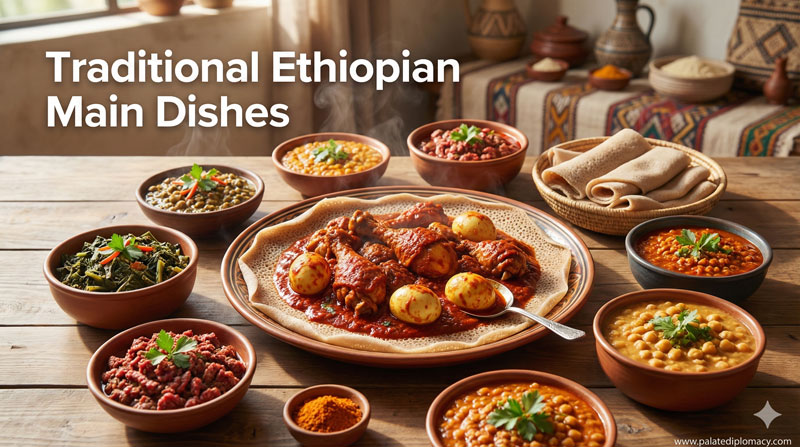
What Makes Minchet Abish So Special in Ethiopia
Minchet Abish is more than a dish. It is a living thread in Ethiopian food culture. When people gather, this minced meat dish often takes center stage, carried by a comforting aroma and a sense of welcome. It celebrates tradition, family, and the shared joy of eating together. The dish speaks softly of memory, seasonality, and the careful craft of home kitchens. In many homes, making Minchet Abish is a mindful ritual that invites conversation, laughter, and patience. In short, its value lies in how the food brings people close and honors everyday life.
The dish stands out because it blends simple ingredients into something soulful. Ground meat becomes tender and fragrant through a slow, attentive process. Onions release their sweetness, spices warm the air, and a fragrant fat base lends a lasting richness. The result is a balanced plate that feels both rustic and refined. Ethically sourced meat, fresh aromatics, and local fats create a taste that feels of the land and the season. This harmony is why the dish remains beloved across generations and regions.
Core Elements Behind the Magic
Minchet Abish centers on tender minced meat cooked with onions and a respectful amount of spice. The process emphasizes patience more than haste. Aromatics bloom as they meet heat, and the meat swells with depth as it simmers. A small amount of clarified butter or other natural fat adds silkiness and a warm note. The spice blend, often featuring a Traditional Ethiopian profile, brings warmth without overpowering the meat’s natural flavor. The result is a dish that pairs beautifully with a sour, porous bread and a bright palate of herbs and greens on the side.
Texture matters as much as taste. The meat should be finely ground and evenly coated, not dry. The onions should melt gently, forming a sweet foundation. The fat should enrich the mouthfeel, creating a cohesive, comforting bite. The balance of heat and aroma invites you to take another spoonful. This careful balance is what makes Minchet Abish feel both robust and affectionate at the table.
Cultural Context and Hospitality
In Ethiopian culture, hospitality is a guiding value. Food is a primary way to welcome guests, mark celebrations, and build community. Minchet Abish often appears when friends and family gather for meals that feel spontaneous yet meaningful. The act of sharing from a common platter reinforces trust and fellowship. In many households, a guest may receive the first bite as a gesture of respect and warmth, a small ritual that begins the meal with goodwill.
The dining setup itself adds to the sense of belonging. Injera, the soft sour flatbread, commonly accompanies Minchet Abish. The combination creates a tactile, interactive experience. Diners tear a piece of injera and scoop the meat, or press the bread against the edges of the dish to trap the flavorful juices. This method strengthens a sense of togetherness and shared pleasure. It is easy to see why Minchet Abish has an honored place at family tables and communal feasts.
The Technique: Craft and Flavor
The craft behind Minchet Abish blends technique with care. The minced meat is cooked with onions, allowing the sweetness to build gradually. Spices arrive late in the process, ensuring they perfume rather than overpower. The clarified butter or natural fat adds a satiny mouthfeel, carrying aroma through every bite. The chef’s attentiveness—stirring, tasting, adjusting—shapes the final mood of the dish. In this way, the technique becomes a form of storytelling, telling of patience, skill, and respect for ingredients.
A gentle simmer keeps flavors melding without losing brightness. The browning of the meat adds depth while preserving tenderness. Each step invites focus, a quiet discipline that many cooks practice with pride. The result is a dish that feels timeless yet deeply personal.
Serving, Pairings, and Table Moments
Minchet Abish shines when presented with care. A warm dish on a shared platter invites guests to serve themselves and contribute to the pacing of the meal. The aroma acts as an invitation, guiding the conversation toward favorite memories or regional stories. Pair it with injera and a simple salad or cooked greens to balance richness with freshness. The sensory mix of aroma, texture, and contrast makes the dining moment both comforting and celebratory.
The social etiquette around serving reinforces the dish’s cultural value. Guests often offer a bite to others as a sign of generosity and joy in the gathering. Such gestures create a rhythm of giving and receiving that enriches the meal beyond taste. In this way, Minchet Abish is not just food; it is a social practice that strengthens bonds.
Regional Variations and Seasonal Significance
Across Ethiopia, cooks adapt Minchet Abish to local ingredients and preferences. Some regions favor a bolder spice presence, while others emphasize a smoother, butter-forward profile. The meat choice—beef, lamb, or other local varieties—reflects regional farming traditions and seasonal availability. Seasonal herbs and greens may accompany the dish, enhancing color, brightness, and balance.
Despite these variations, the core idea remains consistent: a dish that respects ingredients, honors tradition, and invites sharing. This adaptability highlights how deeply Minchet Abish is woven into local food cultures. It shows how culinary practice travels with communities, evolving while staying true to its heart: a generous, comforting, and culturally meaningful meal.
Preserving the Craft in Homes and Communities
Families pass Minchet Abish from one generation to the next through routine cooking and careful teaching. The recipe becomes a family heirloom in behavior—How to season just so, how long to simmer, how to present the dish with warmth. In communities, shared cooking spaces and large gatherings reinforce the dish’s role as a communal treasure. The act of cooking itself becomes a ritual that connects elders with youth and neighbors with friends.
By keeping these practices alive, people sustain a sense of continuity and belonging. The dish remains a living tradition, not a static relic. Its enduring appeal lies in how it travels from grandmother’s kitchen to modern homes, carrying memories and the promise of new ones.
Modern Echoes and Fresh Perspectives
Today, many cooks honor Minchet Abish in contemporary kitchens and dining rooms. Some explore lighter preparations, while others emphasize the buttery richness that defines the dish. Yet the spirit stays the same: a dish built on shared experience, attentive cooking, and respect for ingredients. Modern twists respect the tradition while inviting new diners to discover its warmth and charm. Each adaptation keeps the conversation alive about what makes Ethiopian food special: a balance of comfort, aroma, and human connection.
Conclusion: A Dish That Feels Like Home
Minchet Abish embodies the beauty of Ethiopian cooking. It is a tribute to care, patience, and communal joy. The dish invites us into a moment of togetherness, where every bite carries memory and warmth. Its cultural value rests in how it brings people to the table and keeps tradition vibrant. In this sense, Minchet Abish is not just food; it is a celebration of life, family, and the shared pleasure of good, well-made food.