
Top Reasons Nigerians Love Eating Egusi Soup
Egusi soup is more than a dish. It is a warm invitation to gather, share stories, and celebrate everyday moments. In Nigeria, this soup shines in homes and on tables across regions, carried by aroma, color, and the joy of eating together. Here, we explore why this dish holds a cherished place in Nigerian culture and culinary life.
What is Egusi Soup?
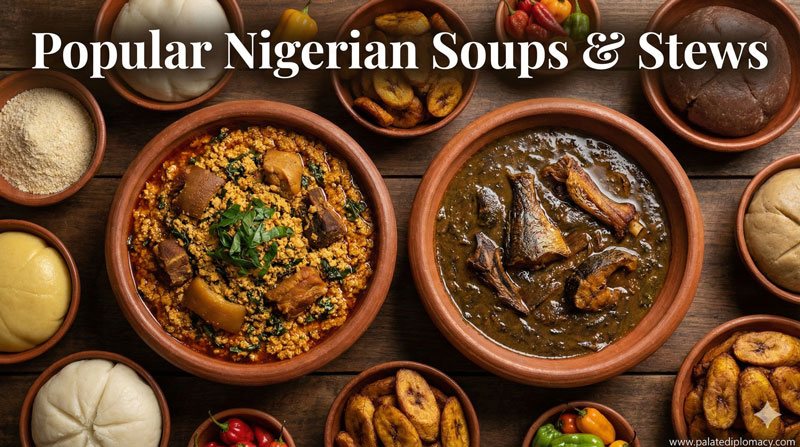
Egusi soup centers on ground melon seeds, known as egusi, blended into a creamy paste that thickens the stew. Palm oil gives it a rich, golden-orange hue and a distinct aroma. Meat or fish, sometimes both, join in the pot, along with leafy greens like ugu or spinach. Depending on the cook, the soup may also include onions, peppers, and spices for depth. The result is a hearty, velvety sauce served with a starchy accompaniment such as pounded yam, fufu, or amala. In short, egusi soup blends nutrition, texture, and bright flavors into a single, satisfying experience.
A Dish of Hospitality
Hospitality sits at the very Heart of egusi soup. When guests arrive, the kitchen signals welcome with sizzling oil, ground seeds gently browning, and the bubbling pot that promises sustenance. The act of sharing a bowl of egusi often marks a moment of connection—parents passing a ladle, siblings swapping stories, friends savoring a meal learned from generations. This communal rhythm reinforces kinship and friendship, turning a family meal into a celebration of togetherness. In homes and at gatherings, egusi soup acts as a bridge, inviting everyone to sit, eat, and enjoy the moment.
Flavor, Texture, and Culinary Technique
Culinary significance thrives in the layers of flavor and the mouthfeel of egusi soup. The toasted egusi seeds contribute a nutty depth, while palm oil adds brightness and fullness. The meat or fish provides savory richness, and greens introduce fresh, leafy notes that lift the dish. Technique matters, too. Many cooks begin by toasting the seeds to release aroma, then grinding them into a paste that thickens the broth smoothly. Simmering slowly blends flavors while preserving the creamy texture. Finally, the greens are added toward the end to maintain color and vitality. The result is a sauce that feels both luxurious and comforting, with a balance of creaminess, savor, and brightness.
Regional Voices Within a Shared Dish
Egusi soup travels across different Nigerian communities, each adding its own touch while maintaining the core essence. Yoruba households may emphasize a certain thickness and a bold finish from browned palm oil. Igbo kitchens might highlight a bright leaf choice and a peppery finish. Hausa and other northern communities often adapt the proteins and spices to suit local preferences. Despite these variations, the dish remains a unifying thread—a familiar flavor that travels well and speaks to shared culinary values across regions. This diversity within unity is a hallmark of egusi soup’s enduring appeal.
Common Pairings and Serving Traditions
Food Culture around egusi soup thrives on thoughtful pairings. The most classic pairing is with pounded yam, which acts as a gentle vehicle, smoothing through the sauce with each bite. Other popular options include fufu, amala, or semolina, each offering its own textural contrast. The choice of accompaniment can shape the overall experience, from smooth and silky to firm and resilient. Garnishes such as sliced onions, fresh pepper, or a squeeze of citrus may finish the dish, adding brightness at the last moment. Serving egusi soup with family-style bowls encourages sharing and conversation, reinforcing the social warmth that defines Nigerian dining.
Preparing for Everyday and Special Moments
Egusi soup is versatile enough for daily meals and special occasions. On ordinary days, a pot can simmer gently, feeding a family with careful use of ingredients. For celebrations, cooks may choose premium meats, extra greens, or larger batches to feed many guests. In both cases, the cooking process itself becomes a ritual of care: selecting ingredients, washing greens, and timing the simmer to perfection. This careful attention reflects a cultural value placed on nourishment, generosity, and attentiveness to guests.
Accessibility and Craft
The beauty of egusi soup also lies in its accessibility. The core ingredients—egusi seeds, greens, palm oil, and a choice of protein—are available in many markets, making the dish approachable for home cooks. Even when substitutions are needed, the essence remains intact: a creamy, flavorful stew that carries the signature Nigerian flair. The craft of making egusi soup invites experimentation with seasoning, thickness, and protein choices while honoring tradition. In this way, the dish remains both rooted and flexible, inviting cooks to bring their own touch to A Beloved recipe.
A Simple Guide to Making Egusi Soup at Home
- Start with toasted egusi seeds ground to a paste.
- Sauté onions and peppers, then add palm oil for color and aroma.
- Stir in the egusi paste and cook briefly to release its nutty scent.
- Add stock or water, then simmer with your chosen proteins until tender.
- Fold in leafy greens and adjust seasoning to balance salt, heat, and brightness.
- Serve with pounded yam, fufu, or amala, and enjoy the communal moment.
This approachable process highlights how technique and patience yield a dish that feels both sophisticated and comforting. The result is a sauce that glides smoothly over the swallow of your choice, making every mouthful satisfying.
The Enduring Beauty of Egusi in Nigerian Food Culture
Egusi soup stands as a testament to Nigerian culinary artistry. It blends texture, aroma, and color into a single, inviting bowl. It invites conversation and presence around the table, turning meals into memories. The dish’s popularity across regions speaks to a shared love for nourishing, flavorful food that honors guests and family alike. By celebrating egusi soup, we celebrate a cooking tradition that values generosity, warmth, and the joy of eating well together.
Final Thoughts
If you are new to Nigerian cuisine, egusi soup offers a welcoming doorway. Its creamy sauce, vibrant greens, and comforting proteins create a dish that feels both familiar and wonderfully special. More than a meal, egusi soup embodies hospitality, family, and the beauty of slow, attentive cooking. Whether you savor it at home or in a shared kitchen with friends, egusi soup remains a cherished symbol of Nigerian food culture and culinary artistry.