
Top Reasons Nigerians Love Eating Suya
Suya occupies a cherished place in Nigerian food culture. It is more than a meal; it is a shared moment, a doorway to memory, and a celebration of craft. In this post, we explore the cultural value and culinary significance of suya, highlighting why so many Nigerians reach for it with warmth and anticipation.
The Fire, the Aroma, and the First Bite
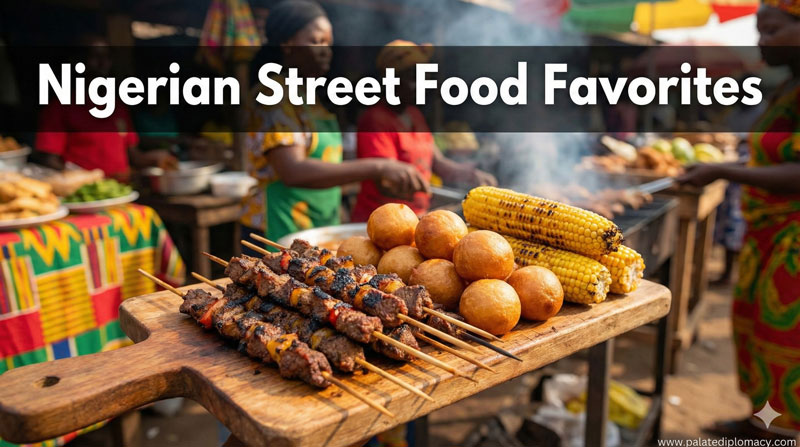
Suya is grilled over charcoal, and the smoke carries a promise. The scent travels quickly, drawing neighbors and friends to a common table or a street corner. The first bite offers a balance: a crackly crust, a juicy interior, and a bright spice kiss. This combination creates an immediate sense of comfort and welcome. The experience is active and social, inviting talk, laughter, and a shared pace as skewers turn slowly, kissed by heat and aroma.
A Social Snack for Every Moment
In Nigeria, suya is a go-to option for casual gatherings and everyday moments alike. People grab skewers after work, during market runs, or as a quick centerpiece at a family picnic. The act of sharing follows a simple rhythm: each person selects a skewer, onions and tomatoes appear on the side, and a conversation begins. This social flow makes suya more than sustenance; it becomes a ritual that strengthens bonds and creates lasting memories.
The Craft Behind Every Skewer
The artistry of suya starts with careful meat selection and precise preparation. Vendors trim the meat and cut it into even, bite-sized pieces. The pieces are skewered with care, then rubbed with a seasoned paste. The paste clings to every surface, inviting the spice to permeate as the meat heats. The skill shows in even coating, the pace of turning over the grill, and the cleanliness of the cooking area. When done well, each skewer carries a consistent flavor and a perfect balance of char and juiciness.
Yaji and the Soul of Suya Spice
No discussion of suya is complete without the spice blend often known as yaji. This peanut-based mix is The Heart of many suya preparations. Ground peanuts lend body and a nutty warmth, while chilies bring a gentle heat. Additions of ginger, garlic, onion, and salt round out the profile with brightness and depth. Some cooks add a light touch of oil or a hint of palm oil to help the rub cling to the meat. The result is a spice whisper that enhances the meat without overpowering it, letting natural flavors shine through.
Regional Voices: Variations Across Nigeria
Across different regions, suya carries subtle regional flavors. In many urban centers, beef or goat remains the most common choice, with robust spice rubs that emphasize boldness. Chicken suya appears frequently as a lighter alternative, offering a different texture and glaze. Some places favor fish or organ meats, expanding the sense of discovery for curious palates. Yet the thread that ties these variations together is the shared method: fast grilling, a bright spice, and the pleasure of eating with friends. These regional nuances enrich the dish while preserving its core identity.
Pairings and Serving Styles: A Complete Experience
Suya shines when paired with fresh accompaniments. Slices of onions, tomatoes, and cucumbers provide crunch and brightness that cut through the spice. A wedge of lime or a dab of pepper sauce can lift flavors further. In many homes, suya is enjoyed with a side of garri or fried yam, offering a familiar texture contrast. The serving style emphasizes hospitality: a warm platter, a space for conversation, and a moment to savor the balance between heat, smoke, and freshness.
The Market Experience: Sizzle, Rhythm, and Hospitality
The suya stand is a stage where science meets artistry. The charcoal glow, the precise turning of skewers, and the chef’s steady rhythm create a sensory performance. Vendors often greet regular customers by name, building a sense of community around a simple meal. Cleanliness and organization matter, too, because these elements reinforce trust and the joy of the eating moment. The market scene around suya becomes a living showcase of hospitality, skill, and pride in craft.
Respect for Tradition and Craftsmanship
Many suya cooks view their methods as a gift passed from one generation to another. Recipes, rubs, and techniques are shared with care, and newcomers learn by watching and practicing. This transmission keeps the flavor profile alive while inviting small innovations that respect the dish’s roots. The result is a culinary tradition that feels timeless yet refreshingly vibrant, inviting both seasoned tasters and curious newcomers to participate in the culture.
A Welcoming Food Culture: Suya as a Bridge
Ultimately, suya embodies a spirit of welcome. It gathers people from varied backgrounds around a single, shared experience. The dish celebrates texture, aroma, and bold flavor while inviting dialogue and connection. In this light, suya becomes more than a snack; it is a daily footprint of Nigerian hospitality and a reminder that good food can bring joy to ordinary moments and festive ones alike.
If you are visiting Nigeria or simply exploring its food culture, suya offers a warm invitation: to savor charcoal-grilled meat, to enjoy a peanut-infused spice that lingers, and to participate in a tradition that is as generous as it is delicious. The Top Reasons Nigerians love eating suya are rooted in flavor, community, and the enduring craft that makes each bite a moment to smile about.