
Top Reasons Nigerians Love Eating Suya
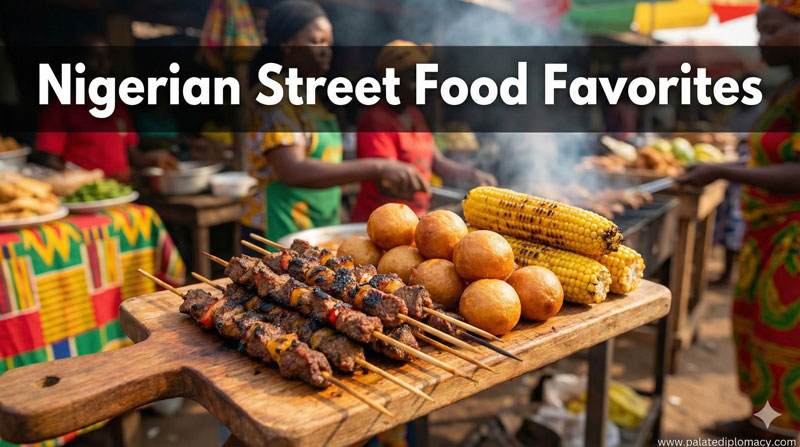
Suya is more than a dish. It is a warm invitation to shared moments, bold flavors, and a vivid sense of place. In Nigeria, suya stands out as a culinary emblem of street life, craft, and everyday joy. The aroma rises first, then the taste confirms a memory in the making. This post explores the cultural value and culinary significance that keep suya close to the hearts of many Nigerians.
The Signature Spice: Yaji
The heart of suya lies in its spice crust. A lively mix called yaji coats the meat with a nutty, peppery kiss. Ground peanuts provide a rich, creamy base, while chili peppers deliver heat that warms the palate. Additional notes of garlic, ginger, and salt balance the blend. The result is a crust that crackles as it roasts, giving each bite a familiar, comforting snap. This spice blend is versatile yet distinctive, making suya instantly recognizable wherever you see a charcoal grill and a rack of skewered meat.
Craft and Skill Behind the Skewers
Suya is a craft as much as a meal. Vendors select lean cuts and slice them evenly for quick, consistent cooking. The meat is threaded onto skewers with care, then brushed with the spice mix just before it hits the flame. As it roasts, constant turning keeps the surface even and the interior juicy. The technique highlights patience, attention to detail, and a steady hand. When done well, the meat glows with a golden-brown sheen and a scent that invites another bite.
A Social Favorite: Shared Moments at the Stall
In many communities, suya is a social anchor. After work, during a weekend stroll, or at festive gatherings, people gather around a stall, sharing stories as the skewers sizzle. The act of waiting together, negotiating a few coins, and savoring the first bite builds a sense of belonging. Suya is not just food; it is a small, daily ritual that strengthens friendships and fosters friendly exchange. The social rhythm around suya is as important as the flavor itself.
Regional Variations and Personal Touches
Across Nigeria, you’ll find subtle differences that add color to the suya story. Some regions favor beef, others goat, and a few enjoy chicken. Spice intensity can vary, reflecting local tastes and the cook’s approach. Some stalls add extra peppers for heat; others blend in hints of sesame or crushed peanut for a deeper nutty profile. These nuances celebrate local preferences while keeping the core suya identity intact. In this way, suya becomes a tapestry of regional tastes woven into a single, beloved dish.
The Sizzle, Smoke, and Sensory Experience
The experience of suya begins with the aroma. A wall of fragrant smoke, peppery heat, and peanut richness rises from the grill. The crackle of the crust signals doneness, while the tender meat inside offers a succulent bite. This sensory rhythm—scent, sight, and sound—draws people in and makes the eating moment memorable. In every bite, you feel the careful balance between bold spice and natural meat sweetness, a harmony that defines suya’s culinary significance.
Belt-and-Suspenders Pairings: Sides and Sips
Suya often shines with simple accompaniments that complement its intensity. Slices of onion, tomato, and cucumber provide fresh contrast and a cool counterpoint to the heat. A squeeze of lime or a dollop of pepper sauce can brighten flavors further. Many enjoy suya with a light drink—water, a soft beverage, or a traditional zobo (hibiscus drink)—to refresh the palate between bites. These simple pairings elevate the overall eating experience without overshadowing the star.
A Pillar of Everyday Life and Festive Moments
Suya holds a special place in daily routines and special occasions alike. It’s quick enough for a busy day yet festive enough to be part of celebrations. The dish adapts to mood and moment: casual street bites, family gatherings, or neighborhood events all embrace suya as a unifying, dependable choice. This versatility reinforces suya’s role as a dependable connector in Nigerian Food Culture.
Respectful Appreciation: The Ethical Side of Enjoyment
Respect for ingredients and craft underpins the suya experience. Vendors honor Food Safety, quality meat, and careful spice preparation. Eager hands wash and prepare, while thoughtful cooks regulate heat to protect texture and flavor. This measured approach invites diners to trust the process and savor the result. In this spirit, suya becomes a shared practice of care—from kitchen to grill to table.
Conclusion: Suya as a Living Tradition
Top Reasons Nigerians love eating suya converge on flavor, craftsmanship, social connection, and regional variety. The dish embodies a cultural appreciation for bold yet balanced tastes, the pride of skilled street cooking, and the joy of gatherings around a shared plate. Suya invites you to explore a vibrant facet of Nigerian food culture—one that celebrates heat, aroma, texture, and togetherness in every bite.