
Introduction
Egusi soup holds a cherished place in Nigerian kitchens, where it sits at the heart of many meals. This dish, built on ground melon seeds, palm oil, meat or fish, and a leafy partner, speaks to a culture that values nourishment, generosity, and togetherness. When Nigerians gather around the table, egusi often takes center stage. It is a symbol of hospitality, family, and everyday pride. This article invites you to explore the Top Reasons Nigerians love eating egusi soup, focusing on cultural value and culinary significance. You will see how the dish reflects shared history, regional artistry, and the joy of feeding others.
What is Egusi Soup?
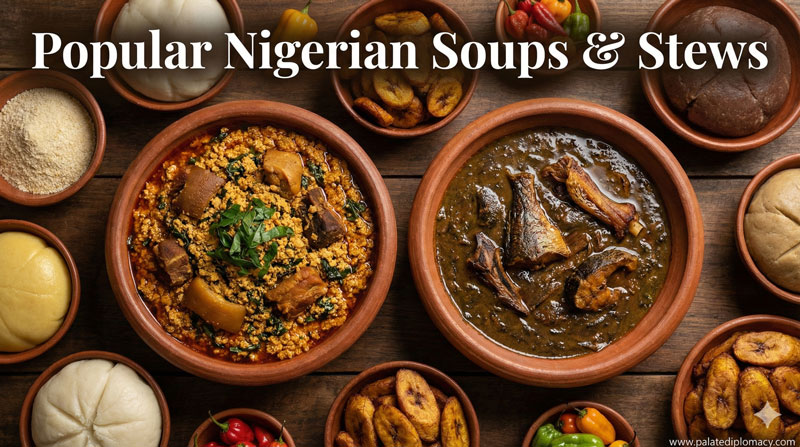
Egusi soup is a thick, flavorful Nigerian soup. Cooks grind melon seeds into a paste and simmer them with stock, palm oil, and seasonings. They add vegetables, commonly pumpkin leaves (ugwu) or spinach, and finish with meat, fish, or other proteins. The result is a velvety body with a bright, rich color and a lively depth of taste. The dish is versatile enough to be prepared for a simple family lunch or a festive gathering. Its preparation teaches patience, balance, and attention to seasonality, all key strands in Nigerian culinary culture.
The Nutritive Value and Texture
Egusi seeds bring a silky texture and a substantial mouthfeel. When they blend with palm oil, they create a comforting, hearty soup that can stand up to strong pairings like fufu, pounded yam, or garri. The leaves add a fresh, green lift that contrasts with the oil-rich base. This combination offers a satisfying balance of fats, protein, and vegetables. The result is more than flavor; it is nourishment that families rely on for energy and community. In many homes, the texture signals care and effort, inviting everyone to slow down and enjoy the meal together.
Cultural Significance in Nigerian Kitchens
In Nigerian culture, food is a language of affection and respect. Egusi soup embodies that language. Families pass down tips, leaf choices, and spice preferences from one generation to the next. The dish often appears during regular dinners, weekend gatherings, and shared lunchtimes, reinforcing routines that honor tradition and togetherness. When guests are invited to share egusi, hosts express warmth and welcome. The soup becomes a bridge between generations, a way to honor ancestors by keeping a time-tested recipe alive in the present.
Daily Life, Shared Meals, and Hospitality
Hospitality thrives around the table, and egusi soup is a natural ambassador of that spirit. It invites conversation, slow eating, and mindful savoring. The act of serving egusi, with generous portions and a knowing smile, signals that everyone is valued. In families and communities, such meals become rituals that mark the day—whether a busy weekday or a relaxed weekend. The dish also supports practical life, offering a flexible, forgiving base for improvised additions. This adaptability makes egusi soup a reliable, comforting option that eases the rhythm of daily life while celebrating togetherness.
Regional Varieties and Techniques
Nigeria’s regional palette shines through egusi soup. Yoruba, Igbo, and Hausa cuisines each bring subtle twists to the same core idea. Some cooks favor ugwu leaves for a crisp, slightly bitter note, while others lean toward spinach or bitter leaf for an earthier finish. The choice of protein—beef, goat, fish, or stockfish—also varies by family or region, shaping flavor profiles and textures. Techniques differ too: some do a quick, high-heat simmer to emulsify fats; others prefer a slower cook to deepen flavors. Across Nigeria, these variations show how a single dish adapts to local gardens, markets, and tastes, while still feeling distinctly egusi.
The Role of Egusi in Celebrations and Special Occasions
Egusi soup often shines during celebrations and family milestones. On Sundays and special gatherings, it can be the centerpiece that anchors a menu of complementary dishes. The dish offers a sense of abundance, inviting guests to share a generous plate and engage in conversation over a comforting bowl. In many homes, egusi is paired with fufu or pounded yam to honor tradition while allowing modern tastes to flourish. The dish’s presence at such moments reinforces community bonds and elevates ordinary meals into meaningful experiences. It is a testament to how food can carry joy, hospitality, and a sense of place.
Quick Cooking Notes: Balancing Flavor and Culture
- Start with a bright base: sauté onions and peppers in palm oil to awaken aroma. This step honors the traditional aroma that signals care.
- Blend melon seeds into a smooth paste, then whisk them into the simmering broth to achieve that classic egusi body.
- Choose greens and proteins according to preference or season. The flexibility mirrors Nigerian culinary values of resourcefulness and generosity.
- Taste with care. A touch of salt, a hint of spice, and a final swirl of oil can transform the dish without overshadowing its core character.
These small choices reflect a larger idea: egusi’s beauty lies in balance, attention, and the joy of sharing.
Conclusion
Egusi soup is more than a dish; it is a living thread in Nigerian Food Culture. It embodies hospitality, family, and the art of bringing simple ingredients into a harmonious, nourishing whole. The love for egusi comes from its warmth, versatility, and ability to fit into many occasions—everyday meals, special gatherings, and acts of hosting. By embracing egusi, Nigerians celebrate a culinary tradition that respects the land, the family, and the act of sharing. If you seek a window into Nigerian cuisine, you will find it in the comforting, colorful, and communal experience of egusi soup.