
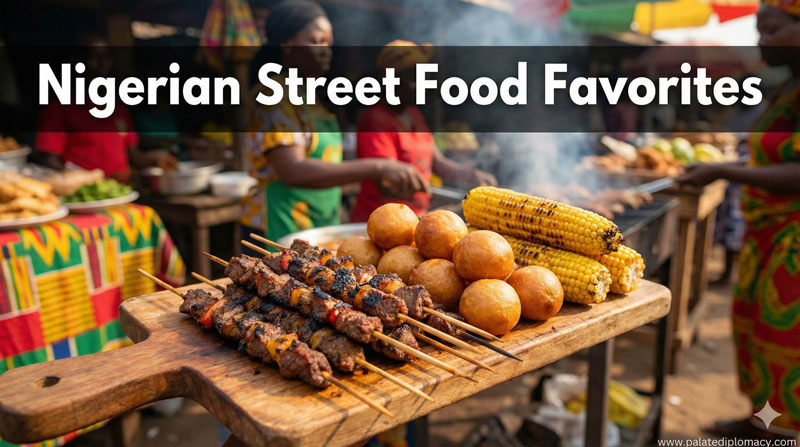
Introduction: The Allure of Suya
Top Reasons Nigerians love eating suya are easy to see in everyday life. This dish is more than meat on a stick; it is a celebration of aroma, texture, and shared moments. Suya brings people together around a simple act: grilling, sharing, and tasting. The experience feels warm, rhythmic, and inviting. In this post, we explore its cultural value and culinary significance with care and curiosity.
What Is Suya? A Quick Primer
Suya is grilled meat, traditionally skewered and finished with a peppery, nutty rub. The core idea is straightforward: high heat, quick cooking, and bold seasoning. Commonly, beef or goat is used, though variations exist. The meat is sliced thin, seasoned generously, and grilled over charcoal. The result is a smoky crust, juicy interior, and a fragrant spice that lingers. This simplicity is part of suya’s appeal. It rewards good fire, good meat, and good timing.
The Spice That Defines Suya: Yaji
At The Heart of suya lies the spice blend, often called yaji. Yaji blends ground peanuts or peanut paste with chili, salt, and various seeds and herbs. Some versions include onion powder, ginger, garlic, coriander, or cloves. The mix delivers a nutty richness, a gentle heat, and a savory depth that brightens the meat. The aroma alone can evoke a sense of place and occasion. Because the rub is bold yet balanced, it works well with different cuts and thicknesses. In essence, yaji is the signature of suya, shaping flavor from first bite to last lick of fingers.
Grilling Craft: The Right Char and Sizzle
Grilling is an art that elevates suya from snack to ceremony. Fire matters, and so does technique. Small, quick turns keep the meat tender while forming a quick crust. The skewers are handled with care, allowing even browning and a crackly exterior. The outdoor grill or charcoal flame adds smoky notes that no oven can fully replicate. When executed well, suya carries a sheen of warm oils and a crisp edge that crackles softly as you bite. The result is a harmony of heat, bite, and aroma.
Suya as Social Lubricant: Community and Sharing
Suya shines in social settings. It appears at busy markets, weekend gatherings, and late-night stalls. People come together to watch the grill, to chat, and to share. The act of buying, peeling back a skewer, and passing pieces along creates a sense of belonging. Even the rhythm of the vendor’s movements—seasoning, turning, and serving—feels Like a small performance that invites participation. In this way, suya becomes a social glue, turning a simple meal into memory.
Regional Tastes: Variations Across Nigeria
Across regions, suya reflects local preferences without losing its core identity. In some areas, the spice mix leans spicier or includes particular seeds that give a distinctive aroma. In others, meat choices may vary from beef to goat or offal for a different texture. The level of char can range from light to deeply caramelized, each shade offering its own flavor profile. What remains constant is the sense of pride in the preparation and the joy of sharing a tastier bite with others.
Serving Traditions: Condiments and Accompaniments
A plate of suya often arrives with simple accompaniments that enhance the experience. Slices of onion, tomatoes, and cucumber add freshness and crunch. A squeeze of lemon or lime brightens the palate and counteracts the spice. Some serve suya with a small dipping sauce or additional pepper mix on the side. These extras are not distractions; they are careful balance to elevate both aroma and texture. The result is a cohesive eating experience that feels complete and satisfying.
The Ethical Flavor: Freshness and Quality
Freshness matters. High-quality meat, clean handling, and properly mixed spice yield the best suya. The care shown in selecting ingredients and controlling heat reflects a larger respect for craft and palate. When cooked well, suya tastes honest—a straightforward expression of skill, patience, and tradition. This commitment to quality helps explain why suya remains beloved across generations.
Suya in Everyday Life: Time, Place, and Mood
Suya fits many moments. It can be an afternoon bite, a post-work treat, or a weekend ritual. The mood matters as much as the meal: the social hum around a stall, the scent in the air, and the shared smiles as pieces pass from hand to hand. These everyday rituals reinforce a sense of continuity and delight. They also invite new tasters to learn the language of spice, smoke, and savor.
Conclusion: A Timeless Favorite
Suya stands at the crossroads of flavor and tradition. It honors skilled grilling, thoughtful spice blending, and communal enjoyment. The dish offers a vivid window into Nigerian food culture—simple, communal, and celebrated. By tasting suya, one tastes more than meat; one tastes a place, its people, and the care that goes into every bite. This is why suya endures as a beloved staple, inviting everyone to pause, savor, and share.