
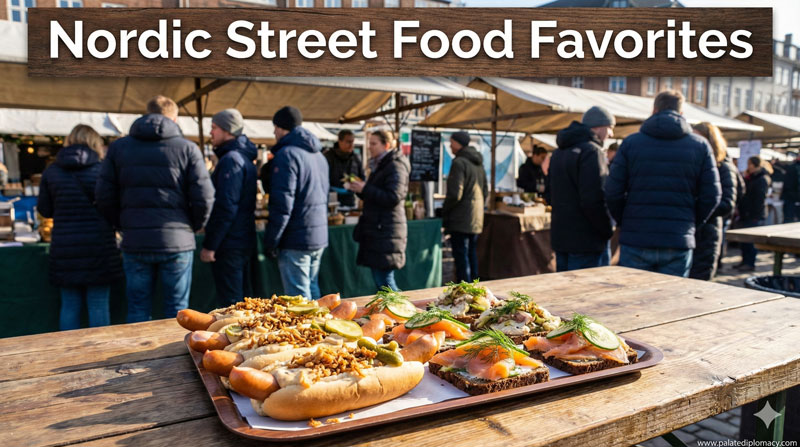
Open-faced sandwiches are more than a quick bite in Nordic kitchens. They embody local ingredients, careful balance, and a quiet, daily celebration of craft. This post highlights why Nordic locals treasure these plates for their cultural value and culinary significance.
Cultural Roots in Everyday Life
Bread is the stage, and toppings are The Story. A slice of sturdy rye or a grainy loaf invites a chorus of colors, textures, and flavors. Open-faced sandwiches fit into breakfast, lunch, and light dinners with equal ease. The ritual of choosing a few fresh components, spreading a light base, and placing toppings precisely speaks to patience and attentiveness. In households across the region, this practice creates a familiar rhythm—simple, intentional, and shared.
Seasonal Inspiration and Market-to-Table Freshness
Toppings mirror the seasons. In spring, crisp herbs and tender vegetables brighten the plate. Summer offers bright tomatoes, cucumbers, and herbs from garden patches or local markets. Autumn brings mushrooms, smoked fish, and root vegetables. Winter favors preserved items, soft cheeses, and pickled delights. The open-faced sandwich becomes a canvas where seasonal produce shines, inviting cooks to celebrate the harvest in a practical, delicious form.
Craft, Technique, and Thoughtful Assembly
The beauty lies in technique as much as taste. Slices of bread are toasted or brushed with a touch of butter to invite flavor without overpowering it. Spreads or gentle sauces act as glue and a flavor bridge. Toppings are layered to balance texture: creamy elements contrast with crisp vegetables, and a salty, tangy or sweet note can pull the whole bite together. The assembly is deliberate, yet flexible, welcoming home cooks of all skill levels to participate in a shared culinary craft.
Flavor Harmony and Nutritional Balance
Open-faced sandwiches invite harmony. A lean slice of fish pairs with a tangy dill sauce; a slice of cheese meets a peppery radish and a drizzle of olive oil; vegetables offer brightness against richer spreads. This balance makes the dish comforting without being heavy. The format also supports nutrition by highlighting protein, fiber, and fresh produce in a single, satisfying unit.
Social and Shared Meals
These plates invite conversation as much as they invite appetite. at Home, families assemble together, swapping ideas for toppings and sharing tips for perfect slices. At work or school, a well-made open-faced sandwich offers a satisfying, portable lunch. Even during gatherings, a platter of varied toppings becomes a social centerpiece, encouraging guests to mix and match according to taste and mood.
Regional Variations and Modern Takes
Across the Nordic region, you’ll find delightful variations. Denmark, Sweden, Norway, and Finland each bring own bread traditions and topping favorites. Some regions favor fish, others cheese or roasted vegetables. Modern takes honor classic forms while embracing new flavors and textures. You may see crunchy seeds, delicate smoked salmon, tart pickles, or bright herb oil—all honoring a shared love for balance, simplicity, and craft.
A Living Tradition that Adapts with Grace
Open-faced sandwiches remain relevant because they are adaptable, affordable, and deeply sensory. They encourage cooks to rely on local ingredients, celebrate seasonal changes, and cultivate technique without pretension. This approach honors tradition while inviting new expressions. The result is a culinary practice that feels both rooted and fresh.
Conclusion: A Quiet Celebration of Food and Culture
The appeal of open-faced sandwiches in Nordic life lies in their clarity and generosity. They highlight the beauty of simple ingredients, the skill of careful assembly, and the joy of shared meals. In every bite, you taste a culture that values balance, seasonality, and everyday craft. This is why Nordic locals continue to love open-faced sandwiches—with warmth, mindfulness, and a bright appreciation for the food that sustains daily life.