
What Makes Ofada Rice So Special in Nigeria
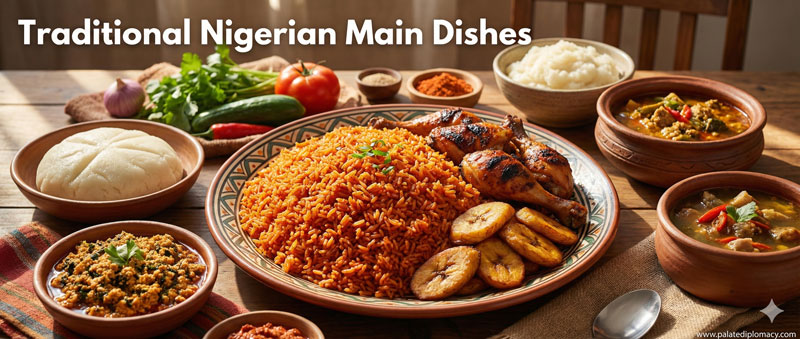
Ofada rice is more than a dish. It is a warm thread in the fabric of Nigerian Food Culture. The grains carry a story of local farms, family kitchens, and shared meals. When you hear the aroma of palm oil and peppers, you feel welcome. This is the heart of Ofada: simple ingredients, a rich sense of place, and a joyful table.
A Brief Look at Ofada Rice
Ofada rice comes from Nigerian farms near Ogun State, in communities that nurture traditional varieties. The name Ofada is linked to the places where the rice is grown and sold. The rice itself is often unpolished or lightly processed, giving a natural color and a slightly sticky texture that helps the sauce cling to each grain. This texture invites a satisfying chew and a comforting mouthfeel. The dish thrives on patience and care, letting the grain absorb the Flavors of the sauce. In every bite, you notice the bond between farmers, cooks, and diners.
The Flavor That Defines It: The Sauce, The Rice, The Color
The signature Ofada experience centers on the sauce. A bright, peppery base is built with fresh tomatoes, bell peppers, onions, and variety of hot peppers. Palm oil adds a glossy, reddish-brown hue and a nutty, fruity depth. Locust beans, known as iru, offer a warm, earthy aroma that lingers with every spoonful. Sometimes small dried shrimp or crayfish join the mix, bringing a delicate savor that enhances the pepper’s brightness. The rice absorbs this sauce beautifully, becoming a unified, fragrant whole. The result is a dish with bold aroma, layered texture, and a color that invites sharing.
A Practice of Craft: Preparation and Etiquette
Cooking Ofada rice is a ritual of care. Rinse the rice lightly to remove dust, then cook it until it is tender but intact. The sauce is prepared separately, simmered slowly to develop depth. When ready, the rice meets the sauce in a gentle fold, not a rushed stir, so every grain shines with flavor. Common accompaniments include ripe plantains, fried fish, or a simple vegetable side. Serving is often generous and communal, underscoring the dish’s role as a centerpiece for family and friends.
The Social Weave: Gatherings, Markets, and Shared Meals
Ofada rice has a personal presence at gatherings. It appears in family Sundays, market stalls, and celebrations of daily life. Vendors may prepare fresh Ofada rice to showcase the day’s harvest, turning a basic meal into a moment of connection. The dish invites conversation about farming, peppers, and local traditions. When neighbors share a steaming pot, the atmosphere becomes warmer and more inviting. The experience goes beyond taste; it fosters a sense of belonging and mutual joy.
Regional Variations and Modern Expressions
While the core of Ofada remains consistent, you can find comforting variations. Some cooks adjust the oil level for a deeper color or a smoother sauce. Others add herbs or peppers to tailor the heat to their audience. In modern kitchens, chefs experiment with pairing ideas—grilled fish, sautéed greens, or plantain chips—to complement the rice’s bold character. Yet at heart, Ofada rice stays true to its roots: a flexible, welcoming dish that travels well from home kitchen to community event.
Caring for the Rice: Storage, Freshness, and Cooking Tips
To keep Ofada rice fresh, store it in a cool, dry place away from moisture. Use within a reasonable time to enjoy its best texture. When cooking, rinse briefly, use a balanced water-to-rice ratio, and simmer until tender. For the sauce, allow flavors to bloom slowly; a longer simmer often yields richer aroma. A little stock or water helps the sauce cling to the rice without thinning it. Serve promptly and share with care, so the experience remains vibrant.
Why It Endures: Cultural Value in Everyday Nigerian Life
Ofada rice stands for local abundance and culinary craft. It celebrates farmers who nurture native varieties and cooks who honor time-tested techniques. The dish embodies generosity, hospitality, and the joy of a well-made meal shared with others. Its color, aroma, and texture become a common language—easy to enjoy, hard to forget. In homes and markets alike, Ofada rice reminds everyone that great food often grows from simple ingredients, patient preparation, and a welcoming table.
Conclusion: A Dish That Feels Like Home
If you seek a meal that speaks to Nigerian taste and tradition, Ofada rice invites you in. Its beauty lies in the contrast of modest rice with a vibrant, soulful sauce. It honors the land, the hands that farm it, and the people who cook it for loved ones. Whether you are new to Nigerian flavors or revisiting a familiar favorite, Ofada rice offers warmth, character, and a sense of place that stays with you long after the last bite.