
What Makes Oxtail Stew So Special in Caribbean Cuisine
Oxtail stew holds a bright seat in Caribbean kitchens. It is more than a dish; it is a warm hello from the pot. The flavors tell a story of patience, skill, and daily joy. This post explores its cultural value and culinary significance, in a respectful, inviting tone.
The heart of the dish: slow braise and texture
At the core, oxtail stew is built on a slow braise. The meat browns first, releasing a deep, caramelized note. Then it softly cooks in liquid until the bones give up rich gelatin. The result is a silky, almost velvet texture that coats the palate. A careful balance of heat and seasoning carries the aroma from the pot to the table. This method—long, patient simmering—honors the ingredient and the time people share around the flame.
The ingredient symphony: spices, herbs, and aromatics
Caribbean cooks assemble a small orchestra of flavors. Oxtail stands with onion, garlic, and green onion. A bright mix of thyme and bay leaf adds lift. Allspice, or pimento, brings warm spice. Scotch bonnet or habanero pepper adds a gentle kick when desired. Some cooks add coconut milk for a mellow, creamy nuance, while others keep a brighter, tomato-led base. Roots like carrots join the pot, and legumes such as butter beans or red beans often round out the texture. The spice blend is simple, but the result feels layered and complete.
Cultural moments: gathering, home, and shared meals
This dish shines when shared. It appears on tables for family Sundays, festive gatherings, and casual weeknights alike. The simmering pot creates a welcoming fragrance that pulls people toward the kitchen. Dipping saltfish, dumplings, or slices of fried plantain beside a bowl is a small ritual. Each bite carries a sense of hospitality and home. The preparation often becomes a collaborative moment, with tips, tweaks, and stories exchanged across generations.
Regional flavors: Jamaica, Barbados, and beyond
Caribbean oxtail stew reflects regional tastes and techniques. In Jamaica, cooks may brown the oxtail first for color and finish with a robust, peppery note. The result is a rich, dark stew that pairs beautifully with rice and peas and dumplings. Across the region, cooks adapt with local aromatics and textures. Some versions lean into a creamy coconut touch, while others emphasize a brighter tomato base. The common thread is a pot that blends comfort with bright spice, yielding a dish that feels both familiar and surprising.
Pairings and presentation: a complete experience
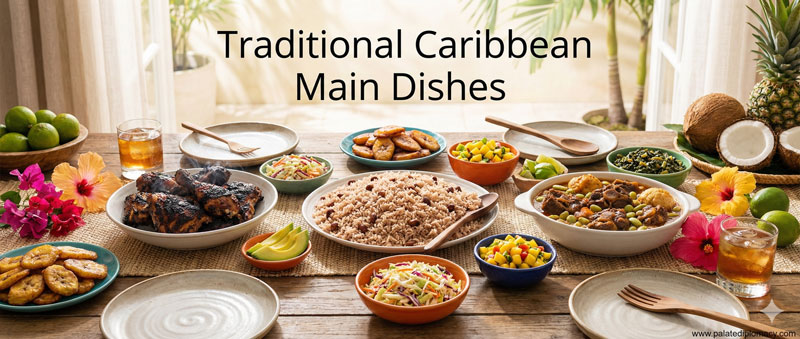
Pair oxtail stew with white rice or rice and peas for grounding starch. Dumplings or fried dumplings add a gentle chew. Plantains, callaloo, or seasoned greens provide freshness to balance richness. A squeeze of lime can brighten a plate, if desired. The pairing ideas honor the dish’s versatility and its ability to adapt to different cooks and occasions.
Craft and care: keeping the tradition alive
Cooks keep oxtail stew alive by honoring technique and timing. The pot is tended with patience, not speed. Tasting along the way helps adjust salt, heat, and thickness. When served, the dish invites conversation and gratitude. It remains a bright example of Caribbean cuisine: unpretentious, deeply flavorful, and profoundly communal.
In sum, oxtail stew stands as a cherished staple in Caribbean cuisine. It celebrates flavor through careful technique, nurtures togetherness, and shows how a single pot can carry culture, memory, and warmth from kitchen to table.