
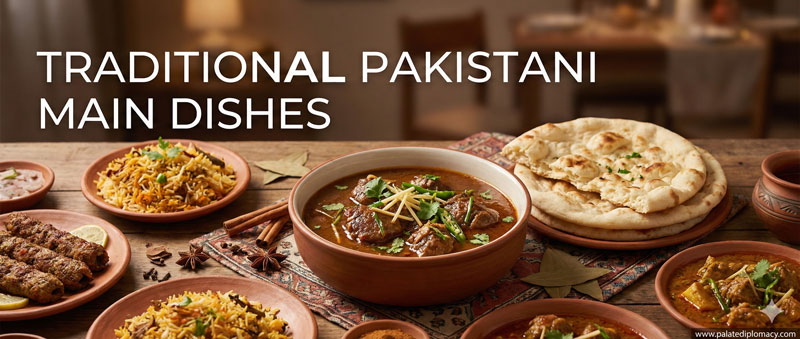
What makes Paya a beloved dish
Paya is a hearty, slow-cooked soup made from beef, goat, or lamb trotters and feet. It turns into a silky broth filled with tender cartilage and bone marrow. The meat becomes rich and delicate, while the marrow adds a velvety texture. Served with warm flatbread, it becomes a comforting meal that many people in Pakistan eagerly anticipate. The dish honors patience, precise simmering, and the joy of sharing a fragrant pot with loved ones.
A dish that welcomes guests
In Pakistan, hospitality shines at the dining table. Paya embodies this spirit. Families prepare it to greet guests, celebrate a weekend, or simply to show care. The preparation invites careful attention, generosity, and time. A pot of Paya invites conversations, laughter, and memories to grow around the table. The act of offering Paya feels Like a warm handshake between cooks and guests, a small ritual of welcome and kindness.
The flavor profile and how it’s built
Paya offers depth without fuss. A base of onions, garlic, and ginger forms a fragrant foundation. Whole spices such as cinnamon, cloves, cardamom, and black pepper release their perfume as they simmer. Ginger and garam masala give a gentle heat and warmth. The slow cooking dissolves the marrow into the broth, creating a gelatinous richness that coats the palate. The result is a balanced harmony of meaty, grassy notes with a hint of sweetness from caramelized onions. Fresh herbs and a squeeze of citrus brighten the bowl just before serving. Each bite blends texture and aroma in a way that feels both rustic and refined.
Regional touches across Pakistan
Across the country, cooks add their own signature touches. In some regions, saffron threads drift through the broth for a subtle floral lift. Others favor a lighter spice line, letting the natural savor of the trotters shine. In certain kitchens, a final sprinkle of chopped coriander and julienned ginger adds color and bite. The technique stays true to a slow simmer, but the finishing notes reflect local tastes. This variety shows how Paya travels through different communities while keeping its core identity intact.
How Paya is served and enjoyed
Paya shines when plated in deep bowls, steaming and inviting. It pairs beautifully with naan, kulcha, or soft flatbread that soaks up every drop. A wedge of lime or a few green chilies on the side adds a bright contrast. Some like to scatter fresh cilantro over the top, which adds a fresh lift to the rich broth. The experience is tactile as well as flavorful: scoop, sip, and savor the creamy broth, then bite into tender meat and marrow. The ritual of dipping bread and garnishing with lemon is as much a part of the enjoyment as the taste itself.
The cultural heart of the dish
Paya stands for more than sustenance. It is a thread that ties generations together. Grandparents teach younger cooks the careful simmer, the timing, and the balance of spices. A family recipe travels through kitchens, changing slightly with each hand that shapes it, yet remaining recognizably Paya. In this way, the dish becomes a living tradition. It celebrates shared meals, patience, and the art of turning simple ingredients into something celebratory and nourishing.
Quick tips for a superb pot of Paya
- Start with a clean stock base by parboiling the trotters briefly, then washing away impurities.
- Use a spice bouquet with whole spices to perfume the broth without overpowering it.
- Simmer slowly, skimming foam as needed, to keep the broth clear and glossy.
- Finish with fresh herbs, a squeeze of citrus, and a touch of salt to balance richness.
- Serve with warm bread and a bright pickle on the side for contrast.
Closing thoughts
Paya is more than a dish; it is a warm invitation to slow cooking, shared meals, and cultural richness. Its gentle, robust character invites people to gather, listen, and enjoy a few moments of comfort. Through its texture, aroma, and careful preparation, Paya reveals the culinary soul of Pakistan—a cuisine that values hospitality, family, and the joy of nourishing one another.