
What Makes Paya So Special in Pakistan
Paya is more than a rich stew; it opens a warm door to Pakistani mornings and family kitchens. Made from goat or sheep feet, simmered slowly, it releases a gelatinous warmth that feels like comfort you can taste. in Pakistan, Paya invites neighbors to gather, share stories, and celebrate everyday life.
The Core of Paya
The dish rests on a simple trio: bones, spices, and patience. Tender meat, silky broth, and a bright ring of oil define its allure. Common spices include ginger, garlic, cumin, coriander, and garam masala. A splash of lemon brightens the pot, while fresh cilantro adds a last whisper of color.
Cooking Craft and Care
Paya deserves time. It begins with a slow simmer that coaxs flavor from bone and cartilage. Skim lightly, then let the heat stay gentle. Aromatic onions toasted until brown bring depth. The cook tastes, adjusts salt, and lets flavors mingle. The result is a fragrance that travels through the house, inviting conversation.
Texture, Aroma, and Taste
The signature is the mouthfeel: tender yet with a delicate chew from the bones. The stock is silky, almost velvet, and the oil on top glints with spice. Aromas of ginger, garlic, and cumin rise first, followed by citrus brightness. A squeeze of lemon and fresh herbs lift the palate.
Cultural Moments and Everyday Joy
Paya often graces weekend breakfasts and special family gatherings. In many homes, it starts a meal with stories and laughter. Street vendors also offer Paya, turning sidewalks into communal dining rooms. Sharing a bowl becomes a small ceremony, a moment to honor food, kinship, and the city’s rhythm.
Regional Voices within Pakistan
Punjab often uses robust garam masala; Sindh might add a tangy note with asafoetida or a hint of chili. KP kitchens may highlight ginger and coriander, while Balochistan’s version speaks with smoky undertones. Each city adds its own memory, making Paya a living map of taste across the country.
Serving and Pairings
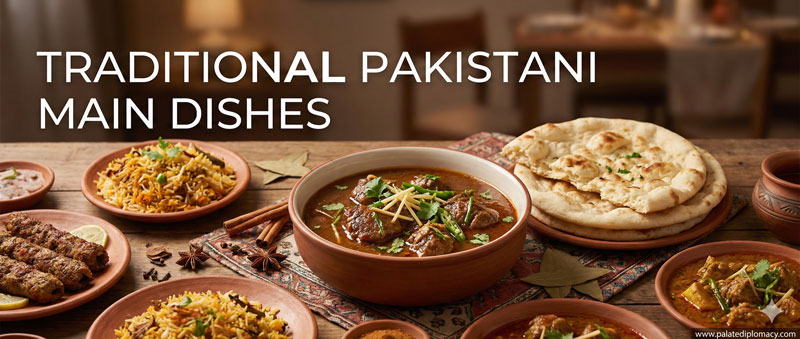
Serve Paya with warm naan, kulcha, or bhature. A wedge of lemon, chopped cilantro, and julienned ginger brighten the plate. A side of crisp onions adds texture. Sip cold water or a simple chai to complete the moment. The pairing elevates aroma, enhances texture, and anchors the dish in a shared ritual.
A Warm Conclusion
Paya is not just a dish; it is a cultural gesture. It welcomes, nourishes, and connects people across generations. Its beauty lies in slow, careful preparation and in the communal joy of tasting together. In Pakistan, Paya remains a cherished tradition that lights up kitchens and gatherings alike.