
Introduction: Why Chicken Karahi Captures the Heart
Chicken Karahi sits at the crossroads of flavor and culture. It is a dish that invites conversation and kind attention to craft. This post highlights its cultural value and culinary significance, focusing on What Makes it beloved. The beauty begins with simple ingredients and grows through skilled technique. People savor the balance of bright tomatoes, warm spices, and tender chicken. In every bite, the dish tells a story of shared meals and welcoming kitchens.
The Sizzle, Aroma, and Texture
The magic starts with the sizzle. Fresh chicken and onions hit a hot karahi and release inviting aromas. Ginger, garlic, and green chilies wake the pan, then tomatoes bring brightness. The result is a glossy sauce that coats each piece with sheen. The texture feels lively—crisp edges give way to juicy centers. This harmony keeps the dish exciting from first bite to last.
The Karahi Pan: A Tool for Flavor
The karahi itself shapes the experience. Its curved sides and thick base keep heat steady and even. High heat sears the chicken quickly, locking in moisture. The wide mouth lets steam mingle with spices, intensifying scent and color. Chefs rotate and toss with confident wrists, guiding flavors to mingle without losing freshness. The pan is more than a vessel; it is a partner in flavor.
Hospitality on the Table: Sharing the Meal
Hospitality shines at the table with Chicken Karahi. Hosts prepare the dish to welcome guests and family. Steam rises as bread or rice waits nearby to accompany the sauce. Sharing portions becomes a daily ritual, a moment for courtesy and connection. Conversation grows as everyone savors the vibrant sauce together. The meal becomes a warm ritual that marks everyday moments as special.
Regional Flavors: Variations Across Homes
Across regions, cooks add their own touch. Some prefer a tomato-forward base with a tangy brightness. Others weave in fenugreek leaves or kasuri methi for depth. Fresh cilantro and a squeeze of lemon brighten the finish. Spices range from gentle to bold, always chosen to highlight the chicken. These variations celebrate local tastes while preserving the core identity of the dish.
Techniques that Elevate the Dish
Marination with yogurt and gentle spices helps tenderize and flavor the chicken. Ginger-garlic paste brings a sharp, clean aroma. Avoiding overcooking preserves juiciness and texture. Balancing heat with a touch of sweetness from tomatoes creates harmony. Finishing with fresh herbs and a light dusting of garam masala elevates aroma and color. Taste and adjust as you cook to keep the dish vibrant.
Pairings, Presentation, and the Final Touch
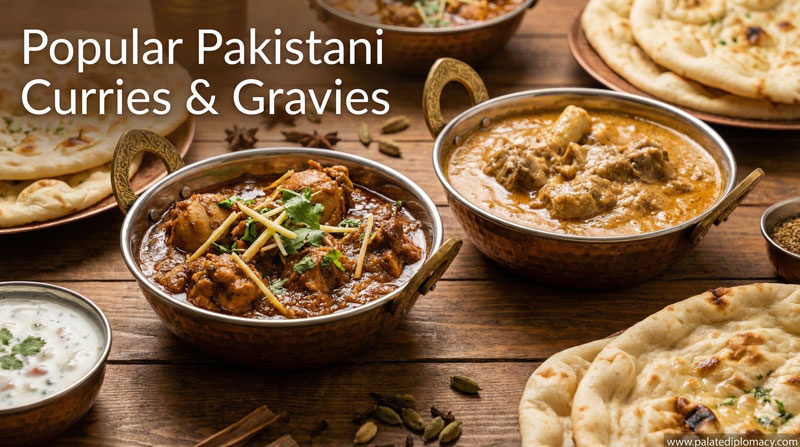
Serving matters as much as cooking. Pair Chicken Karahi with warm naan, tancier roti, or fluffy basmati rice. A wedge of lemon or a small bowl of raita brightens the plate. Garnish with fresh coriander to add color and freshness. Present the dish in a shallow, wide bowl or a traditional karahi to keep warmth. The final touches turn a meal into a memorable, comforting moment.