
Introduction
Top Reasons People Love Eating Karahi explores a dish that Shines in its cultural value and culinary significance. Karahi is more than a meal; it is a doorway into shared moments, family kitchens, and the joyful art of cooking with fire and spices. This post looks at why the dish resonates so deeply, how its flavors tell a story, and why people return to it again and again. You will see how karahi blends technique, tradition, and hospitality into one memorable eating experience.
What Is Karahi and How Is It Cooked
Karahi refers to the wide, deep pan that gives the dish its name. The pan heats quickly and evenly, helping flavors bloom in a short time. In a classic karahi, cooks sear chunks of meat—often chicken or lamb—then fold in tomatoes, green chilies, garlic, ginger, and a handful of spices. The result is a bright, glossy curry with a bed of fat that wraps the meat in rich aroma. The method emphasizes speed and balance: high heat to seal, steady stirring to prevent sticking, and careful seasoning to let each component shine.
The Sensory Experience: Color, Aroma, and Texture
Karahi delights the senses in a single pan. The color ranges from ruby-red to deep bronze, depending on ripeness of tomatoes and amount of spice. The aroma rises in a wave of garlic, ginger, cumin, and coriander. A gentle sizzle accompanies every stir, signaling freshness and care. The texture combines tender meat with a slightly chunky, tomato-forward gravy that clings to naan or rice. This harmony of sight, smell, and mouthfeel makes karahi a compelling dish to watch being prepared and to savor.
Social and Family Gathering Around the Table
Cooking karahi is often a social act. Friends and family gather around the kitchen or the dining table, sharing stories as the curry finishes. The dish invites parallel conversations—about how the heat adjusted the sauce, which spice blend was used, or how to serve best with bread or rice. Serving karahi in a large platter strengthens the sense of togetherness. It becomes a centerpiece that invites conversation, thanks, and a sense of belonging.
Regional Styles and Their Distinct Touches
Regional preferences add color to karahi without breaking its core identity. In some places, cooks favor a richer tomato base and a bolder garam masala finish. In others, a touch of fresh cilantro at the end brightens the aroma. Chicken karahi is common, but lamb or beef karahi appears with regional spice profiles and cooking times. Each area adds its own personal note, creating a tapestry of flavors that honor tradition while inviting personal expression.
The Craft of the Cook: Skill, Timing, and Balance
The magic of karahi lies in the hands of the cook. The balance between heat and spice defines the dish. A skilled cook browns meat just enough to deepen flavor, then adds tomatoes to create a glossy gravy. Stirring matters: too little and the sauce thickens unevenly; too much and the texture can become mushy. Finishing touches—garlic, fresh herbs, and a squeeze of citrus—lift the dish and keep flavors lively. This craft is passed down through practice, memory, and careful attention to every sizzle.
Pairings, Presentation, and Serving Traditions
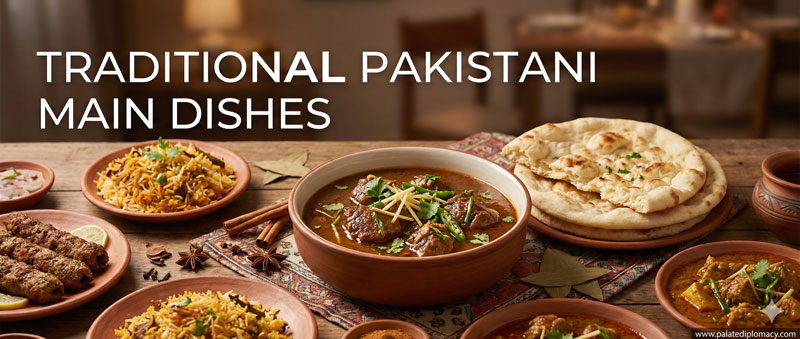
Karahi finds its partner in simple, sturdy accompaniments. Fresh naan or roti soaks up the sauce, while fragrant basmati rice offers a clean palate between bites. Garnishes like julienned ginger, chopped cilantro, and lemon wedges add brightness and texture. Sliced green chilies bring a gentle heat that echoes the spice profile. The presentation often highlights the dish’s warmth, inviting everyone at the table to share in the moment.
Karahi in Everyday Life: A Window into Food Culture
In daily life, karahi appears in homes, markets, and small eateries, reflecting the practicality and generosity of cooking traditions. It showcases how everyday ingredients—meat, tomatoes, spices, and bread—can become a vivid cultural expression. The dish translates time-honored methods into a modern, accessible meal. Its enduring appeal rests on reliability, depth of flavor, and the happiness it brings when shared with others.
Top Reasons People Love Eating Karahi
1) Bold, balanced flavors that spotlight fresh ingredients and spices.
2) Quick cooking that respects time and preserves tenderness.
3) A sense of hospitality, as the dish invites sharing and conversation.
4) Versatility in protein options and spice levels to suit preferences.
5) Visual appeal from the glossy sauce and bright garnishes.
6) A comforting, homey feeling that connects to family kitchens.
7) The ritual of finishing with fresh herbs and citrus for brightness.
8) The satisfying texture of meat, sauce, and bread in every bite.
9) The ability to adapt the dish to different regional styles while keeping its essence.
10) The storytelling aspect, where each spoonful carries memory, skill, and care.
How to Appreciate Karahi Today
To truly appreciate karahi, observe the sequence of flavors and the care in each step. Notice how aroma rises as spices bloom in hot oil. Observe the glossy glaze that coats the meat as tomatoes soften. Notice how each bite blends meat, sauce, and bread into a harmonious bite. Appreciate the cultural context that makes karahi a shared experience, a dish that travels from kitchen to table with warmth and pride.
Conclusion
Karahi Stands Out for its cultural value and culinary significance. It is a dish that honors craft, invites sharing, and celebrates vibrant flavors. By appreciating its regional variations, cooking technique, and celebratory role at meals, you recognize why karahi endures as a beloved staple. It is more than a dish; it is a warm invitation to good company, good spice, and good memories around the table.