
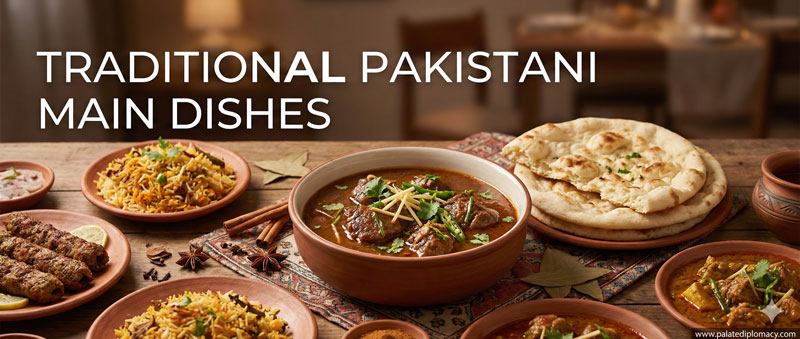
Top Reasons People Love Eating Nihari
Nihari is a slow-cooked stew that centers on beef or lamb, finished with a glossy, deeply spiced gravy. It sits at the heart of many South Asian kitchens, celebrated for its warmth, depth, and shared joy. This dish invites people to gather, to savor, and to linger over a meal that feels both comforting and festive. Below are the core reasons why Nihari wins the heart of so many diners.
- It offers a velvety, rich gravy that clings to every bite.
- The meat becomes tender and yielding, almost melting in the mouth.
- A layered spice profile evolves as the pot slowly cooks, revealing new notes with each spoonful.
- The aroma rises early and fills the room, signaling something special is about to be shared.
- It creates a ritual of preparation and serving that brings people together.
- The dish adapts to many tables, pairing beautifully with various breads.
- It provides nourishment that feels hearty without heaviness, ideal for gatherings.
These reasons come together to make Nihari more than a dish; it is a moment of hospitality and delight that families and friends alike anticipate.
The Craft: Slow Cooking, Rich Broth, and Tender Meat
Nihari is built on patient craftsmanship. Cooks begin with cuts that release collagen and a sturdy, satisfying bite. The bones contribute marrow and depth, enriching the broth as the pot simmers. First, a base of onions, garlic, and ginger offers warmth and a gentle sweetness. Next, a blend of spices—cumin, coriander, pepper, and a bouquet of warm notes such as cinnamon, cloves, and cardamom—forms the aromatic backbone. Then, the meat joins the pot and rests in a slow, low heat that allows flavors to mingle over hours.
The magic thickens as the liquid reduces. The result is a gravied sauce that is both glossy and substantial, capable of clinging to bread with ease. This is not a hurried dish; it rewards patience, inviting cooks to monitor texture and aroma as it evolves. In some kitchens, a final touch of ghee or a drizzle of sesame oil adds a final sheen and a hint of luxury.
Flavor and Texture: A Balancing Act
The palate experiences a delicate balance of strength and finesse. The gravy carries a deep, savory character—warm, with subtle heat and a hint of sweetness from the onions and slow reduction. The meat stays tender yet firm enough to hold structure, providing satisfying mouthfeel without turning mushy. Fried onions sprinkled on top offer a crisp contrast to the soft meat and silky gravy. Fresh lemon, chopped cilantro, and thin slices of green chili bring brightness and a lift that refreshes the palate between bites.
This balance—richness and lightness, weight and lift—defines Nihari. It is a dish where texture matters as much as taste. The result is a comforting bowl that feels luxurious yet familiar, an everyday indulgence that leaves a lasting impression.
Cultural Table: How Nihari Brings People Together
Nihari Shines in social settings. People often prepare it for family breakfasts on special days, gatherings after long weeks, or festive occasions when sharing matters as much as the food itself. Large plates or front-facing platters encourage guests to serve themselves, adding an element of casual ceremony to the meal. The act of arranging breads around a steaming pot becomes a communal ritual, inviting conversation and connection.
Serving practices reinforce the sense of hospitality. A spread of hard breads—naan, kulcha, or a soft sheet of sheermal—gives everyone a practical way to scoop and savor. Garnishes such as julienned ginger, fresh cilantro, lemon wedges, and sliced green chilies appear as small acts of care, guiding guests to customize flavor to their taste. In this way, Nihari becomes more than nourishment; it is a shared experience that helps people pause, listen, and enjoy a moment together.
Regional Flavors and Variations
Across South Asia, Nihari shows regional character, reflecting local tastes and traditions. In some places, beef dominates the pot, while others favor lamb or goat for a lighter yet equally rich experience. The spice profile can lean toward a milder, aromatic warmth in one region and a bolder, spicier kick in another. Some cooks favor a touch more chili, others emphasize nutmeg, fennel, or black pepper for depth. Ghee or clarified butter may be used liberally in certain kitchens, adding a silky finish and a gentle, inviting aroma.
Regional nuances also appear in songs of serving. For example, the way breads are warmed, the speed at which the dish is prepared for a weekend gathering, and the pace of the first bites all contribute to a distinctive local vibe. Yet through these variations, the core idea remains the same: Nihari is a slow, soulful dish that honors meat, spice, and shared meals.
Pairings and Serving Traditions
Nihari thrives when paired with the right accompaniments. The bread must be sturdy enough to scoop up the thick gravy, so naan or kulcha are common choices, with softer options like sheermal offering a different texture. On the plate, toppings and condiments play a starring role: fresh coriander, thinly sliced ginger, lemon wedges, and green chilies let guests tailor the heat and brightness to their preference. A small side of onion relish or chopped onions adds a crisp, sharp contrast that brightens the dish.
A refreshing drink can complete the experience. Mild lassi, mint tea, or a cool yogurt beverage pairs well with Nihari, balancing the spices and providing a pleasing counterpoint to the warmth of the curry.
Nihari in Modern Kitchens and Restaurants
Today, Nihari travels beyond family kitchens into restaurants and home cooks’ repertoires around the world. In contemporary kitchens, techniques adapt to modern equipment while preserving the dish’s essence. Slow-cooker adaptations, pressure-cooking methods, and staged simmering still aim to capture the core: a deeply flavored, tender meat dish with a rich gravy.
Chefs emphasize freshness and balance, ensuring that each batch maintains the dish’s inviting aroma and comforting texture. At home, the ritual remains intimate: a pot on the stove, a bread basket nearby, and the first aroma that signals a shared moment about to begin. In this way, Nihari stays relevant, inviting new cooks to discover its charm while preserving the traditions that make it special.
A Gentle, Timeless Favorite: Why People Love Nihari
Nihari endures because it blends simplicity and sophistication. It invites slow, attentive cooking and encourages generous hospitality. It celebrates flavor without demanding flash or spectacle. Most importantly, it honors the people gathered around the table, reminding us that food is a way to show care, to welcome others, and to savor a moment together.
From the first scent to the last bite, Nihari offers a sensory journey: the warmth of spice, the tenderness of meat, and the comfort of a shared loaf of bread. It stands as a testament to culinary craft and cultural care, inviting everyone to slow down, listen, and enjoy.
If you are new to Nihari, begin with a small batch and a soft bread companion. Allow the flavors to open gradually, and let the experience unfold at a comfortable pace. For longtime fans, share the dish with family and friends, and notice how the act of serving itself deepens the sense of belonging.
A final note: Nihari is more than a recipe. It is a living piece of Food Culture that honors tradition while inviting personal expression. In every pot, there is a story of patience, community, and the simple joy of a meal well made. Enjoy the journey, and savor the beauty of Nihari in your own kitchen.