
Top Reasons People Love Eating Paya
Paya is a slow-simmered treasure built from lamb or goat trotters. Its broth glides into the bowl with a silky sheen, carrying spices, warmth, and a history of home cooking. This dish holds a special place in many kitchens for its comforting depth and its ability to bring people together. Here are the Top Reasons why Paya earns its place as a beloved staple in Food Culture, celebrated for both culinary craft and cultural value.
A Storyteller’s Broth: The Slow-Cooked Craft
Firstly, paya invites patience. Chefs and home cooks alike begin with patient simmering, sometimes many hours, to coax flavor from bones, cartilage, and meat. The long cook time unlocks a depth that quick meals cannot match. As the pot breathes, aromas rise—ginger, garlic, and warm spices mingle with a whisper of onion and tomato. The result is a broth that tells a story of careful watchfulness and skilled timing. This is not merely sustenance; it is a ritual of slow care that honors tradition in every simmer.
Silky Texture and Gelatinous Comfort
Secondly, the texture of paya sets it apart. The broth coats the spoon with a glossy, velvety feel. Gelatin from the bones gives the drink a supple mouthfeel that is both luxurious and comforting. When sipped slowly, the richness releases a gentle sweetness and a lingering warmth. This tactile quality makes paya memorable, inviting diners to linger at the table and savor the moment. The texture reinforces the sense of nourishment that people seek in a shared meal.
Aromatics That Lift the Spirit
Thirdly, paya sings with aroma. A balanced blend of ginger, garlic, cumin, coriander, and sometimes cinnamon or cloves creates a fragrant base. Fresh herbs, green chilies, and a squeeze of lemon or lime brighten the bowl just before serving. Onions fried until crisp, known as birista in some kitchens, add a sweet, caramelized layer. Each bite carries a chorus of scents that elevates everyday eating into an uplifting sensory experience. The aroma signals hospitality and care, inviting guests to lean in and share the dish together.
Social and Family Bonding: Shared Meals
Fourthly, paya thrives in community. It is a dish that travels from the intimate kitchen to the bustling table of a family gathering, a weekend brunch, or a festive market stall. The act of serving paya—watching it steam, ladling it into bowls, and garnishing with lemon, herbs, and fried onions—becomes a small ceremony of togetherness. In many homes, paya is the centerpiece of extended meals, a reason for relatives and friends to gather, exchange stories, and enjoy the warmth of good company. The social value of paya lies in its power to bring people close around a shared bowl.
Breakfast to Brunch: The Day’s Nourishment
Fifthly, paya has a flexible schedule. In many places, it shines as a comforting breakfast or a late-morning indulgence. The warming broth and hearty meat provide sustained energy for the day ahead, making it a practical yet luxurious choice. This adaptability—comfort food that fits into morning rituals or leisurely weekend meals—helps sustain its presence in kitchens and markets alike. The dish becomes a reliable friend for chilly mornings and celebratory weekends.
Regional Flair: Variations Across Regions
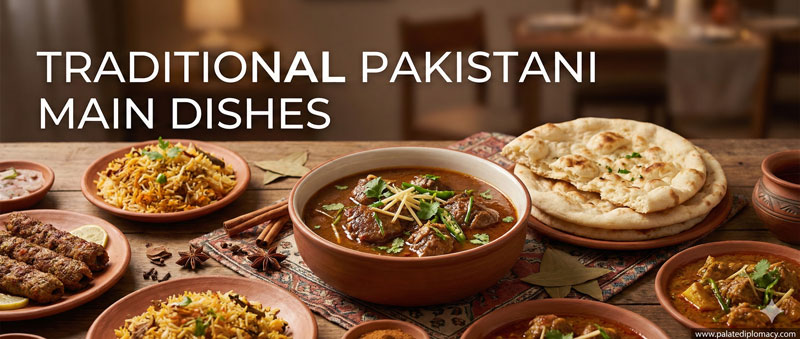
Sixthly, paya reflects regional character. While the core elements remain the trotters and a rich broth, spice blends, herb choices, and serving styles vary. Some kitchens favor stronger cumin and coriander, others lean into cinnamon and cardamom for a sweeter note. The meat choice can lean toward lamb or goat, depending on local preference. Serve paya with naan, kulcha, or flatbread to scoop up every drop of broth. These regional expressions celebrate local pantry staples and culinary memory, enriching paya with distinct voices while keeping the essence intact.
Pairings, Garnishes, and Rituals
Seventhly, the accompaniments and garnishes elevate the experience. A squeeze of lemon or lime brightens the broth, while fresh cilantro adds a green, fresh finish. Julienned ginger or sliced green chilies provide a kick for those who crave it. Onions fried until crisp add texture and sweetness, enhancing the dish’s balance. Chutneys or pickles on the side offer tangy contrast. These pairing rituals create a complete dining moment, reinforcing paya’s role as a centerpiece that invites careful, thoughtful enjoyment.
Craft and Craftsmanship: Homes and Vendors
Eighthly, paya showcases culinary craftsmanship. From selecting the right trotters to controlling salt and spice balance, cooks tune a pot with care. Home kitchens often rely on familiar techniques passed through generations, while professional vendors bring consistent, perfected versions to markets. The craft lies in timing, stock management, and the gentle art of layering flavors. This attention to detail makes paya a dish that commands respect for skill and patience, whether enjoyed at home or in a market stall.
A Gentle, Nourishing Experience for All Palates
Ninthly, paya offers a universally comforting experience. Its warmth, depth, and richness appeal across generations and tastes. The dish welcomes first-timers with a mellow spice profile while inviting seasoned palates to savor subtle layers that reveal themselves with each spoonful. This accessibility, paired with depth, helps paya endure as a beloved cultural dish that can be shared by many.
Why Paya Continues to Shine
Finally, paya remains a vibrant thread in the tapestry of food culture. Its enduring appeal lies in the union of technique, aroma, texture, and communal joy. The dish nourishes not only the body but also the sense of cultural belonging that comes from gathering, sharing, and appreciating a kitchen-made treasure. Paya stands as a testament to the beauty of slow cooking, thoughtful spice balance, and the simple power of food to connect people.
If you are exploring traditional flavors or seeking a dish that honors family kitchens and regional cooking, paya offers a welcoming doorway. Its culture-rich sweetness, tempered by spices and warmth, invites curiosity and celebration. By tasting paya, you experience more than a meal; you step into a timeless practice of care, craft, and community.