
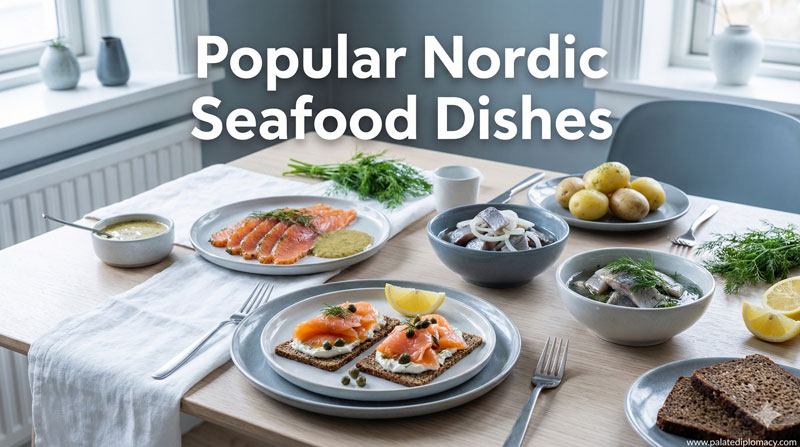
The Allure of Pickled Herring in Nordic Cooking
Pickled herring stands as a beloved emblem in Nordic cooking. Its bright tang, delicate saltiness, and clean fish flavor invite both everyday meals and festive spreads. In kitchens across Sweden, Norway, Denmark, Finland, and Iceland, the dish speaks of seasons, skill, and shared tables. The beauty lies in how a simple ingredient becomes a signal of place, craft, and togetherness.
Craft and Technique: The Pickling Process
The Heart of the dish is the precise balance between salt, sugar, and vinegar. Herring fillets are cleaned and layered in a jar with onions, spices, and sometimes herbs. A light brine or sweet-sour marinade follows, letting flavors travel through the fish without overpowering its freshness. This process preserves the fish and creates a crisp, glossy texture. The result is versatile: firm bites for a platter, or softer shards that soak up the sauce. The technique teaches patience and respect for timing, two qualities highly valued in Nordic kitchens.
Regional Voices: Nordic Varieties
Across the region, local preferences shape the pickled herring you’ll find at markets and tables. In Sweden, inlagd sill features onion rings and a bright mustard or dill note. Norway favors milder brines with a touch of sugar and fennel or bay. Denmark leans into tangy, peppery layers that wake the palate. Finland offers silakka with clear, clean flavors that pair well with rye bread. Iceland adds its own crisp finish, focusing on purity of taste. These variations share a common method, yet each region adds its own color and aroma, reflecting its culinary voice.
Traditions and Seasonal Moments
Pickled herring makes regular appearances in Nordic life, marking not just meals but moments. It anchors the julbord, the festive Christmas table, where a broad platter invites conversation and sharing. It also appears in midsummer celebrations, Easter meals, and simple family suppers. The dish travels through generations, from kitchen to kitchen, as recipes are handed down with notes of timing, spice, and preference. In this way, pickled herring becomes a thread that ties together family rituals, seasonal changes, and communal feasts.
Flavor, Texture, and Culinary Significance
Flavor is the star here. The briny bite, the sweetness from sugar, and the warmth of spices create a dynamic profile. Texture matters too: the fish can be crisp and firm or softly yielding, depending on how it’s prepared. The dish works as a starter, a snack, or a main component on a platter. It pairs beautifully with rye bread, sour cream, onions, and herbs, highlighting the crispness of pickled fillets. Method and memory meet in every bite, reminding cooks and diners alike of care, balance, and regional artistry.
Modern Interpretations and Everyday Meals
Today, households experiment with the classic, keeping the spirit of tradition alive. Chefs reinterpret the brine with citrus, pepper, or dill oil, while home cooks maintain trusted ratios that have stood the test of time. The versatility invites creativity without losing the dish’s core essence: a respectful nod to Nordic land, sea, and season. In everyday meals and special occasions, pickled herring remains approachable, elegant, and deeply connected to Food Culture.
A Gentle Conclusion: The Cultural Gift of Pickled Herring
Pickled herring is more than a recipe. It is a cultural gift that travels through time, adapting with care and staying true to place. It teaches how simple ingredients, thoughtful technique, and shared meals can create lasting beauty in the kitchen. In Nordic cooking, this dish embodies hospitality, craft, and the quiet joy of gathering around a table to celebrate flavor, season, and tradition.