
Why Pierogi Is One of Poland’s Most Loved Dishes
Pierogi are more than a meal. They are a thread that ties kitchens, families, and tables together. In every home, a bowl of dough, a plate of fillings, and a pot of boiling water open a conversation about tradition and care. Pierogi express a calm, welcoming culture that values skill, patience, and shared meals. This post explores the cultural value and culinary significance of this beloved dumpling.
The Heartbeat of Polish Kitchens
Across towns and villages, pierogi appear in daily life. Grandmothers teach grandchildren How to roll dough and press the edges. In markets, street cooks simmer pots, filling the air with steam and a warm scent. The dish travels from hand to hand, not as a flashy novelty but as a reliable, flexible staple. It adapts to seasons, budgets, and tastes, yet keeps a simple soul at its core.
The Craft: Dough, Fillings, and Technique
First, a soft dough forms the cradle for every pierogi. Flour, water, eggs, and a pinch of salt come together with care. The dough rests, then becomes rounds. Next, fillings wake the dough to life. Potato and cheese, known as a classic, stand beside sauerkraut and mushrooms. Meat, or sweet fruits like berries and apples, show the dish’s wide range. Then, the edges are folded and pinched into crescents, a sign of gentle artistry. Finally, pierogi boil until tender, and many people finish them in a skillet with a touch of butter for a light, crisp edge. This balance—soft inside, subtlely crisp outside—defines the pleasure of a well-made pierogi. To serve, a small dollop of sour cream often rests nearby, inviting a cooling, creamy note that enhances every bite.
Regional Flavors and Seasonal Delights
Regions shape the fillings, textures, and rhythms of making pierogi. In some areas, potato and cheese predominate, offering a comforting, hearty bite. In others, cabbage and mushrooms create a savory, earthy mood. Seasonal harvests also influence choices. Summer and autumn bring berry and fruit pierogi, bright and lightly sweet, perfect for gatherings and celebrations. The result is a dish that travels comfortably through the calendar, yet stays deeply rooted in local craft and taste.
Pierogi in Daily Life: Sharing a Table
On ordinary days, pierogi anchor meals with warmth. A family may gather around a wooden table, rolling dough together, chatting as they shape each dumpling. Markets and home kitchens alike echo with the soft clink of utensils and the steady rhythm of hands at work. The ritual of making pierogi becomes a social act, a moment of connection that strengthens the sense of belonging. This is where culinary value becomes cultural value: the dish teaches care, patience, and a shared love of good food.
Pierogi at Celebrations: Hospitality in Action
Pierogi often appear at celebrations, where they mingle with other Polish favorites. They symbolize hospitality, inviting guests to share in a table that feels open and generous. At birthdays, anniversaries, or community events, large batches show generosity and care. The act of serving pierogi—placing each warm dumpling before a guest—speaks of welcome, attention, and the joy of good company. The dish thus travels from stove to plate as a bridge between moments of daily life and small, meaningful celebrations.
The Craft in Practice: Making Pierogi at Home
A home cook can honor tradition with thoughtful technique. Keep the dough supple by letting it rest properly and by adding just enough flour to prevent sticking. When cutting circles, aim for a uniform size to ensure even cooking. Seal edges well; a good seal prevents filling from escaping during boiling. Boil gently in salted water, and then, if you like texture, finish in a hot skillet with a little butter. Patience matters: rest, roll, fill, seal, and cook with calm focus. Finally, serve with simple accompaniments that honor the dish, such as sour cream, a dusting of fresh herbs, or a light drizzle of melted butter.
Serving with Simplicity: A Plate of Comfort
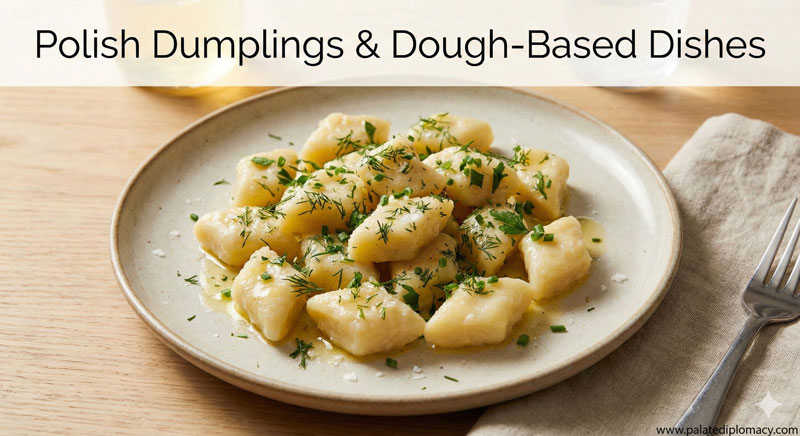
Simplicity often carries the deepest warmth. A platter of pierogi invites a gentle, satisfying experience. Sour cream provides a mild, creamy balance; fried onions add sweetness and depth; butter adds a luxurious gloss. Dill or chives can lift the aroma without overpowering the filling’s character. The beauty of serving lies in letting the dumplings speak for themselves, letting each bite reveal the harmony of dough, filling, and pairing.
A Dish That Reflects Polish Food Culture
Pierogi embody a spirit of craft, hospitality, and adaptability. They celebrate the everyday cook, the patient hand, and the generous heart that welcomes guests to the table. They honor Family Traditions while inviting new interpretations, allowing cooks to explore textures and flavors within a familiar form. In this way, pierogi are not just food; they are a living expression of Poland’s food culture—grounded in skill, shared meals, and the quiet joy of nourishment made with care.
An Invitation to Discover and Savor
If you have never tasted a pierogi, imagine a tender boat of dough cradling a bright potato-cheese core or a savory mix of cabbage and mushrooms. Imagine the moment it meets a warm plate, the butter melting gently, and the first bite releasing comforting steam. This is the essence of pierogi: a humble dish that invites curiosity, celebrates tradition, and welcomes everyone to the table. Taste, share, and carry a piece of this beloved craft into your own kitchen.