
Introduction
Why Pierogi Is One of Poland’s Most Loved Dishes invites readers to explore a small dumpling with a grand presence. In Poland, pierogi sit at the heart of kitchens, markets, and dining tables. The dish blends simple ingredients with careful technique to create comfort, shared joy, and a sense of place. This post highlights pierogi’s cultural value and culinary significance, focusing on craft, flavor, and the stories they carry.
The Core Appeal of Pierogi
Pierogi are more than food; they are a bridge between generations. The soft dough, the treasure of a warm filling, and the act of folding connect home cooks with grandmothers and with friends who learn the craft together. The appeal lies in balance: a dough that yields easily, a filling that can be savory or sweet, and a serving style that invites toppings and conversation. Each bite delivers a gentle texture, a chorus of flavors, and a sense of welcome.
Dough, Filling, and Technique
Polish pierogi use a simple dough made from flour, water or eggs, and a pinch of salt. The dough rests, then rolls thin to cradle the fillings. Classic fillings include potato and cheese for a comforting bite, sauerkraut and mushrooms for earthy brightness, and minced meat for heartiness. Sweet fillings appear as fruit or sweet cheese, offering a bright counterpoint to savory varieties. The folding is precise but achievable, and sealing the edges ensures a tidy, uniform pocket. Baking can finish the dish in some homes, but most pierogi are boiled first and then lightly fried in butter for a touch of crispness.
Regional Varieties Across Poland
Regional pride shapes pierogi with distinctive fillings and flavors. In the north, potato-based fillings mingle with fresh herbs for a delicate aroma. In the south, wild mushrooms and cabbage create deeper, rustic notes. Families often cherish a go-to recipe, then welcome small twists that reflect local produce and family preferences. This variety makes pierogi a flexible storyteller, able to honor tradition while inviting experimentation. The result is a familiar dish that still feels new when a household adds a seasonal twist.
The Cooking Moment: Boiling, Frying, and Serving
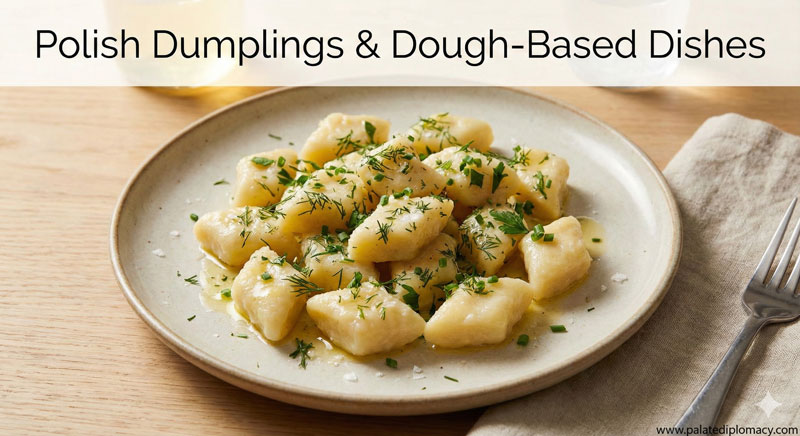
The classic preparation starts with boiling until the pierogi rise to the surface, signaling tenderness inside. A quick finish in a hot skillet with butter or oil adds a delicate crunch and aroma. On top, fried onions, sour cream, or a hint of chives bring brightness and balance. Pierogi pair well with soups, salads, or a simple plate of greens, making them easy to incorporate into everyday meals. The serving style emphasizes hospitality: a communal platter or a family-style bowl invites sharing and conversation.
Pierogi in Everyday Life and Special Occasions
in Polish households, pierogi appear during both ordinary meals and special times. They feature in family rituals, festive gatherings, and seasonal celebrations. The act of making pierogi together strengthens family bonds and teaches patience and teamwork. Their adaptability makes them a staple for busy days and a star at holiday tables. Through these moments, pierogi carry warmth, consistency, and a sense of belonging.
Modern Takes and Seasonal Flavors
Today, chefs and home cooks explore creative fillings while preserving tradition. Spinach and cheese, wild mushroom with herbs, or berry fillings with a light dusting of sugar offer fresh takes. Seasonal ingredients inspire new combinations, yet the classic potato and cheese remains a steadfast favorite. This openness to variation keeps pierogi vibrant, welcoming new palates while honoring time-honored techniques.
A Place for Culinary Craft and Cultural Heart
Pierogi stand out for their culinary simplicity and expressive depth. They teach precision in dough handling, balance in filling, and care in assembly. They also celebrate Polish hospitality, where meals become moments of togetherness and gratitude. The dish embodies a respectful embrace of both tradition and exploration, inviting cooks to honor the past while inviting the present to share the plate.
Conclusion
Pierogi answer with warmth to the question of why they are so loved in Poland. They are not just dumplings; they are a living part of food culture, crafted with care and shared with joy. Through their dough, fillings, and the rituals around them, pierogi reveal a culture that values craft, community, and comfort in equal measure.