
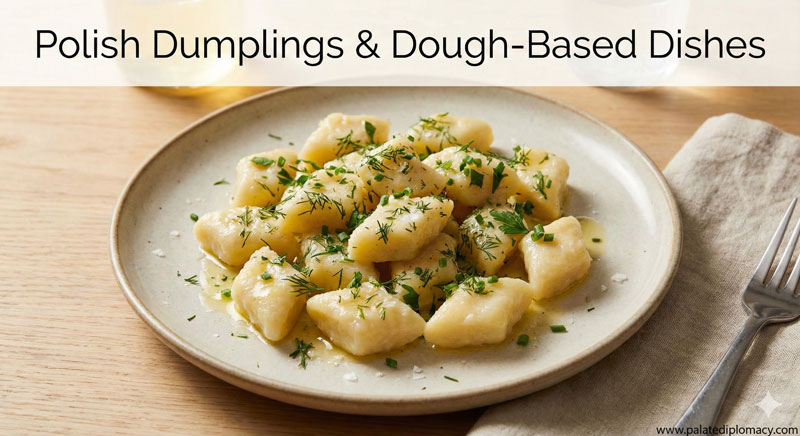
The Heart of Polish Comfort: Pierogi
Pierogi are more than dumplings. They stand at the table where families gather and friends are welcomed. Each bite carries a whisper of home, a memory of a grandmother’s kitchen, and a sense of shared care. The dish blends simplicity with craft: a soft dough enveloping bright fillings, folded with care, then cooked with patience. In Poland, pierogi prove flexible enough for everyday meals and meaningful enough for special moments. They invite conversation, and they reward attention with flavor that lingers.
A Craft Passed Down Through Generations
The secret of pierogi lives in the hands that shape them. The dough begins with flour, eggs, a touch of salt, and water or milk. It rests briefly, then yields to a rolling pin and a patient rhythm. Rounds are cut, fillings are spooned, and the edges are pinched shut with care. The fillings vary widely: creamy potato with farmer cheese, sautéed onions, and pepper; cabbage with mushrooms; or even sweet fruit. A steady boil cooks the dumplings gently, while a quick kiss of butter or oil in a hot pan adds a delicate crisp. The result feels Like a shared ritual, performed with affection and practiced ease.
Flavors that Speak a Place
Filling choices tell a quiet story of local harvests and tastes. The classic Pierogi Ruskie blends potato, cheese, and onion, a comforting trio that textures beautifully. Sauerkraut with mushrooms offers tang and earthiness, a reminder of resilience and warmth. Meats, resonates with savory depth, and fruit versions capture the brightness of seasonal harvests. Each region in Poland has its own favorites, yet the spirit remains the same: a dish that echoes the land, the season, and the cook’s memory. Pierogi celebrate variety while keeping a unifying voice of polish tradition.
A Dish for Moments Big and Small
Pierogi mark many moments, from quiet family dinners to festive gatherings. They appear on Sunday tables, at market stalls, and during seasonal celebrations. In homes, making pierogi becomes a shared project—children learn the folds, parents time the boiling, grandparents offer stories. In markets and small eateries, skilled hands demonstrate the art of sealing and shaping. The dish invites participation, curiosity, and appreciation. Whether served in large plates or small portions, pierogi bring a sense of welcome and a gentle sense of occasion.
The Art of Serving: Simple Yet Satisfying
Serving pierogi honors their simplicity and depth. They shine when poured over with a dollop of sour cream or a pat of butter, perhaps with lightly fried onions for sweetness. Some diners enjoy a sprinkle of chives or a pinch of pepper to wake the flavors. The texture matters: tender dough encases a flavorful center, and a brief fry adds a subtle, pleasing crust. Pairings stay straightforward, letting the filling lead the experience. In every bite, the dish reveals care, balance, and a mindful approach to nourishment.
Why Pierogi Endures
Pierogi endure because they blend craft, memory, and hospitality. They adapt to families, seasons, and tastes, while preserving a core identity grounded in careful technique and generous sharing. The dish invites people to slow down, smile, and savor a moment of togetherness. As a result, pierogi remain a beloved symbol of Polish food culture—easy to make, rich in meaning, and endlessly welcoming. They remind us that good meals grow from patience, skill, and a willingness to gather around the table.