
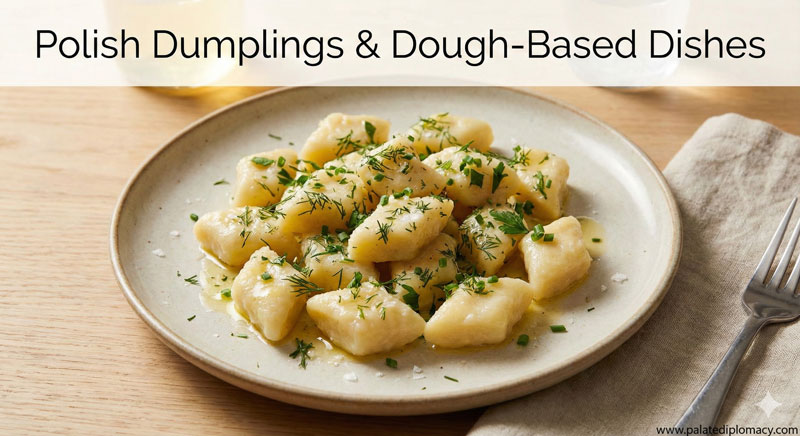
Why Pierogi Captures Polish Heart
Pierogi are a warm thread woven through Polish life. They appear on kitchen tables with quiet confidence, ready to comfort, celebrate, and connect. This dish embodies a gentle balance between skill and simplicity. Each bite blends a soft dough with a generous filling, then a precise seam that holds the whole story together. The appeal is immediate: a familiar shape, a welcoming aroma, and a texture that plays from tender to chewy. More than a meal, pierogi offer a small ceremony of care, a moment when family and friends slow down to savor honest craft.
The Craft Behind Pierogi: Dough and Fillings
The magic starts with the dough. A good pierogi dough rests data-free from hurry. It becomes pliable, easy to roll, and strong enough to keep its shape when boiled. The best dough flourishes because it drinks the right amount of water and a touch of salt, letting air and lightness pass through. Then comes the filling, and this is where regional pride often shines. Classic potato and cheese, known as Pierogi Ruskie, offers a creamy, slightly tangy heart. Sauerkraut and mushroom provide a savory, earthy echo. Fruit fillings bring brightness and sweetness, turning pierogi into a dessert-like pleasure. Chefs and home cooks treat each filling as a small story, choosing ingredients with care and layering flavor with balance. Boiling seals the experience, while a quick pan-sauté adds a whisper of crisp and a kiss of butter. The result is a dumpling that plays well with many companions—sour cream, melted butter, fried onions, or a simple sprinkle of herbs.
Pierogi at the Table: From Family Meals to Festive Occasions
Pierogi shine in daily meals and in special moments alike. They bring comfort when a weekday kitchen needs warmth, and they elevate celebrations with texture and aroma. In many Polish homes, making pierogi becomes a collaborative act. Parents guide young hands, siblings trade tips, and couples share the careful press of the dough around a filling. This practice strengthens bonds and passes along practiced techniques. In festive seasons, pierogi take on even richer roles. They accompany soups and salads, join plates of roasted vegetables, and appear on table settings that mark gatherings with friends and kin. Across occasions, the dish remains a reliable canvas for personal touches, from a preferred filling to the exact way a pan is heated and seasoned.
Regional Voices: A Palette Across Poland
Across Poland, pierogi carry regional color. Some areas favor a heartier, denser dough that stands up to robust fillings. Others lean toward a lighter, more delicate dough that glides on the tongue. Fillings show local tastes and seasonal harvests, yet the core idea stays the same: a small parcel that holds a good story. In certain regions, pierogi are shaped with distinctive crimps or folds, giving each batch a hint of local artistry. The versatility of pierogi makes them a shared language in Polish cuisine, spoken in kitchens, markets, and home dining rooms alike. This regional diversity invites everyone to explore, compare, and celebrate how culture expresses itself through a single, beloved dish.
The Senses and Serving: How Pierogi Feels and Tastes
Eating pierogi is a layered sensory experience. First comes aroma: warm dough and a gentle invite of the filling’s character. Then texture rises to the fore—the soft, yielding bite of the dough, followed by the filling’s heartiness or sweetness. Finally, the finish appears in the form of a light glaze from butter or a touch of creaminess from a dollop of sour cream. The scene is adaptable, too. A pierogi can be simply boiled and plated, or it can be enhanced with caramelized onions, herbs, or a crisp finish in a pan. The dish invites conversation and shared tasting, turning meals into a small communal ceremony that honors craft and heritage.
A Thoughtful Food Ritual: Sharing and Memory
Pierogi carry a mood of inclusion. They welcome guests with warmth and invite cooks to share technique and stories. The process itself—mixing, rolling, filling, shaping, boiling, then finishing—becomes a ritual that creates memory. In many homes, the preparation moment is as cherished as the meal. People learn the best ways to seal a dumpling and when to stop short of overworking the dough. They learn which fillings surprise the palate and which combinations feel most comforting. In this way, pierogi function as a bridge between generations, a small, continuous thread that links old methods with new appetites. The result is a dish that remains fresh because it respects tradition while welcoming variety.
Pierogi in the Modern Polish Table: Tradition Meets Today
Today, pierogi continue to evolve while keeping their core identity intact. Chefs experiment with new fillings and playful presentations, yet they stay rooted in the discipline of dough making and careful folding. Home cooks bring contemporary ingredients to familiar forms, which keeps the dish lively without losing its soul. The universal appeal of pierogi lies in its adaptability: it can be humble or elegant, simple or richly layered. This balance makes pierogi a favorite on family dinners, street stalls, and fine dining menus alike. In every setting, pierogi celebrate Polish hospitality—a quiet invitation to slow down, appreciate skilled hands, and enjoy a shared moment around the table.
Conclusion: A Timeless Dish in Poland’s Culinary Table
Pierogi stand as a testament to Polish culinary value. They embody careful technique, regional variety, and the warmth of shared meals. They teach us that a great dish can be both comforting and celebratory, both familiar and surprising. By honoring dough, honoring fillings, and honoring the act of gathering, pierogi preserve a living tradition that invites curiosity and respect. If you seek a dish that carries cultural warmth as well as culinary craft, pierogi offer a welcoming doorway into Poland’s generous kitchen. They remind us that food, at its best, is a gentle art of making people feel at Home—one lovingly crafted dumpling at a time.