
Why Sambusa Is One of Ethiopia’s Most Loved Dishes
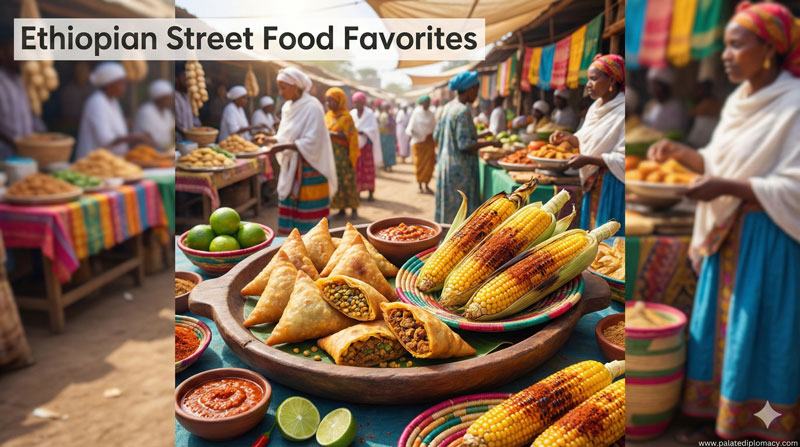
Sambusa stands out in Ethiopia’s culinary landscape for its graceful balance of texture and aroma. The crisp pastry envelopes a warm, savory filling, and the triangular shape invites sharing. In homes, markets, and cafés, sambusa signals hospitality and welcome. It is a snack that travels easily from street corners to family tables, always carrying a sense of communal pleasure. This dish shows how cooking can celebrate patience, skill, and the joy of good company.
The Crust: Craft and Care
The crust is the first love story of sambusa. Cooks roll the dough extremely thin, then cut it into neat pieces. Each piece is folded into a precise triangle and sealed with a touch of water. The result is a light, almost glassy shell that crackles when it meets hot oil. The crust is a quiet stage for the filling, letting spices and herbs step forward. When done well, the crust tastes faintly fragrant and stays tender yet crisp in every bite.
The Heart of Flavor: Filling Traditions
Filling is where sambusa speaks most clearly of Ethiopian flavors. A common choice blends minced beef or lamb with onions, garlic, and ginger. Spices such as cumin, coriander, and a gentle touch of berbere or mitmita add warmth without overwhelming the palate. Vegetarian versions honor lentils or chickpeas, mingling with garlic, fresh herbs, and a squeeze of lemon. The filling is kept moist but not wet, so the crust can wrap it snugly. This attention to balance makes each sambusa a small celebration of aroma and savor.
A Thread Through Festivals and Gatherings
Sambusa threads itself through many moments of daily life. It appears at markets as a quick, satisfying bite and at family gatherings as a thoughtful starter. During festive seasons, friends share plates of sambusa, passing them around with smiles. It pairs well with conversations, laughter, and the clink of tea cups or coffee spoons. In this way, sambusa becomes more than sustenance; it becomes a social ritual that welcomes guests and friends alike.
Regional Variations of Sambusa in Ethiopia
Across regions, sambusa adapts with local tastes. Some versions favor a richer beef filling, while others celebrate lentils with bright herbs. Spices shift in intensity, drawing on available peppers and dried aromatics. The dough can be slightly thicker in some areas, or cut into different shapes, yet the heart remains the same: a crisp wrapper that carries a flavorful center. This diversity highlights the dish’s versatility and its ability to belong to many kitchens at once.
Serving Traditions and Etiquette
Sambusa is often served hot, with sauces that brighten the flavor. A simple tomato-chili dip or a tangy lemony sauce complements the meat or lentil fillings. Small wedges of lemon, fresh herbs, and a cup of tea or coffee often accompany the plate. Sharing is part of the pleasure; a plate becomes a moment to pause, taste, and talk. The serving ritual reinforces care, hospitality, and the joy of a well-made bite.
From Market Stall to Home Kitchen
In city streets and rural markets alike, sambusa shines as a quick, comforting snack. Vendors fry batches freshly, filling the air with a welcoming aroma. Home cooks often prepare a batch to share after a long day or to greet guests arriving for a visit. This movement between public stalls and private kitchens keeps the dish vibrant and familiar. The loop between making and sharing renews its place in everyday life.
A Simple At-Home Approach
Making sambusa at Home invites patience and pride. Start with a thin wrapper, place a modest amount of filling, and fold into a triangle. Seal the edges with a dab of water, then fry in hot oil until golden. If you prefer a lighter touch, bake the triangles until crisp. The key is balance: the filling should be flavorful but not dominant, and the crust should be delicate enough to crackle when bitten. Enjoy with a cooling dip and a warm drink to savor the moment.
A Closing Note on Culture and Craft
Sambusa embodies a graceful convergence of technique, taste, and togetherness. Its crisp pastry, fragrant fillings, and social role make it a beloved thread in Ethiopia’s food culture. By honoring both the craft of making the pastry and the care shown in sharing it, we see why sambusa remains among the most cherished dishes. It invites us to slow down, savor detail, and delight in cultural beauty carried on a small, triangular treasure.