
Introduction
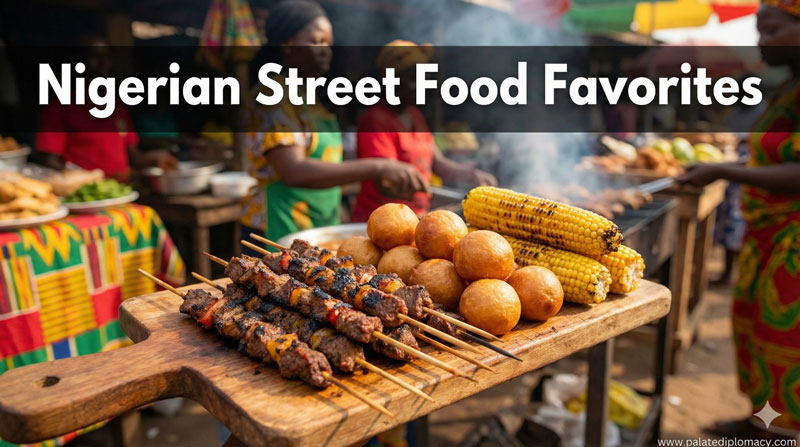
Suya is A Beloved thread in the fabric of Nigerian eating culture. It appears in busy markets, on family grills, and at casual gatherings, inviting everyone to share in a warm, flavorful moment. This post explores why suya is one of Nigeria’s most loved dishes by focusing on culture, craft, and culinary meaning. The dish invites curiosity, then rewards it with bold, balanced flavors and a ritual of preparation that brings people together.
The Flavor Story: Nutty, Smoky, Spicy
The core of suya lies in its flavor trio: roasted meat, a spicy nutty coating, and a hint of smoke. The meat—often beef, goat, or chicken—takes on a crust of ground peanuts, chili peppers, and a blend of spices. This rub delivers a toasty nuttiness, a bright kick from hot peppers, and a savory depth from garlic, onion, and salt. When grilled over charcoal, the rub crisps slightly, releasing aromatic oils and a smoky perfume that lingers. The result is a taste that is bright, earthy, and deeply satisfying in every bite. This flavor profile resonates across kitchens and markets, inviting repeat enjoyment and shared appreciation.
The Craft Behind the Rub: Yaji and Beyond
The signature spice mix behind suya is often called yaji or suya spice. It blends ground peanuts with chili, ginger, garlic, onion powder, and salt, sometimes with paprika or pepper for extra warmth. Freshly ground ingredients create a lively aroma, while the roasted peanut dust anchors the seasoning with a gentle sweetness. The rub is applied generously to chunks of meat, sometimes after a languid marination, allowing the flavors to cling and intensify. The craftsmanship shows in how evenly the coating adheres, how the pieces are skewered, and how carefully the meat rests before hitting the grill. The result is a spice blend that is both comforting and exciting, inviting curious noses to gather and watch the cook at work.
The Method: Grilling as Heritage
Grilling is more than technique; it is a shared practice. Suya is traditionally skewered and grilled over charcoal, with constant attention to heat and turning to avoid scorching. The cook’s timing matters: a quick sear locks in juices, while gentle heat helps the spice coat to form a crisp crust. The charcoal flame adds a distinctive smoke that cannot be duplicated by other fuels. Each vendor or home cook might adjust the flame, the skewering method, or the resting time, but the core idea remains the same: precision, patience, and pride in the finished crust. The method celebrates skill and fosters a sense of stewardship for the dish.
Cultural Value: A Food That Builds Community
Suya sits at the crossroads of social life and daily nourishment. In markets and street corners, it becomes a shared snack that bridges generations and neighborhoods. It is common to see families, friends, and coworkers gather around a grill or stand, exchanging stories as they sample a few skewers. The act of sharing suya reinforces bonds, creates rituals, and makes ordinary moments memorable. Suya also travels across Nigeria’s diverse regions, adapting to local tastes while retaining its core identity. In this way, suya embodies unity through variety, a celebration of a country where many flavors coexist harmoniously.
Regional Variations: A Sea of Delicious Differences
Across Nigeria, suya reflects regional preferences and local ingredients. In some areas, lean cuts are preferred; in others, fattier choices are used to yield a richer mouthfeel. The spice mix can range from fiery to moderately hot, and some cooks add a touch of lime or lemon juice to brighten the finish. The thickness of the meat, the size of the skewers, and the roasting duration can vary, producing different textures—from a delicate crust to a robust, chewy bite. Even the accompaniments shift: some serve suya with fresh onions, tomatoes, and cucumbers; others add peppers, cabbage, or flatbread to complement the heat. These variations showcase the dish’s flexibility and How It harmonizes with local eating habits.
Serving Traditions: How Suya Is Enjoyed
Suya is often enjoyed as a casual, communal meal. The simple setup—skewers resting in a tray, a scattering of onions and tomatoes nearby, and a small bowl of extra yaji for dipping—encourages sharing. It is common to bite into a skewer, pause to savor the contrast between smoky meat and crunchy crust, then add a touch of fresh produce to balance the heat. The dish lends itself to street snacks or longer meals, serving as a tasty bridge between fast and flavorful dining. In homes and eateries alike, suya invites conversation, laughter, and a sense of belonging around the grill.
Tips for Recreating Suya at Home
- Choose sturdy meat: beef or goat work well, with trim to balance flavor and texture.
- Prepare the spice rub in advance: fresh ingredients yield brighter flavors.
- Marinate thoughtfully: a few hours or overnight helps the spices permeate.
- Use a hot grill and watch carefully: aim for a blistered crust without overcooking.
- Serve with crisp onions and fresh vegetables to cut heat and add texture.
- Keep extra yaji nearby: a small sprinkle enhances taste without overpowering.
Preservation of Craft and Respect for the Dish
Respect for the craft means honoring the skill and care that go into suya. Fresh ingredients, clean preparation, and attention to heat create a plate that tastes as vibrant as the moment it was prepared. Sharing knowledge, from spice ratios to grilling tips, helps keep the tradition alive for new cooks and eaters. By embracing both the routine and the variation, we celebrate suya as a living part of Food Culture that invites everyone to participate.
Conclusion: The Beauty and Place of Suya
Suya stands as a flavorful emblem of Nigerian culinary artistry. Its nutty, spicy coating, its smoky finish, and its role as a social catalyst all point to a dish that is more than sustenance. It is a vibrant expression of taste, technique, and togetherness. As you encounter suya, you encounter a moment of craft, a story told in aroma and bite, and a shared joy that invites you to stay a while, watch the grill, and join the table. In this light, suya is not only one of Nigeria’s most loved dishes; it is a warm invitation to celebrate food as a unifying, joyful experience.