
Why Suya Is One of Nigeria’s Most Loved Dishes
Suya is more than a snack. It is a vibrant thread in the tapestry of Nigerian Food Culture. Aromatic, colorful, and deeply social, it brings people together in markets, streets, and homes. In this post, we explore the cultural value and culinary significance of suya, and why this skewered delicacy holds a cherished place in The Heart of Nigeria.
What is Suya?
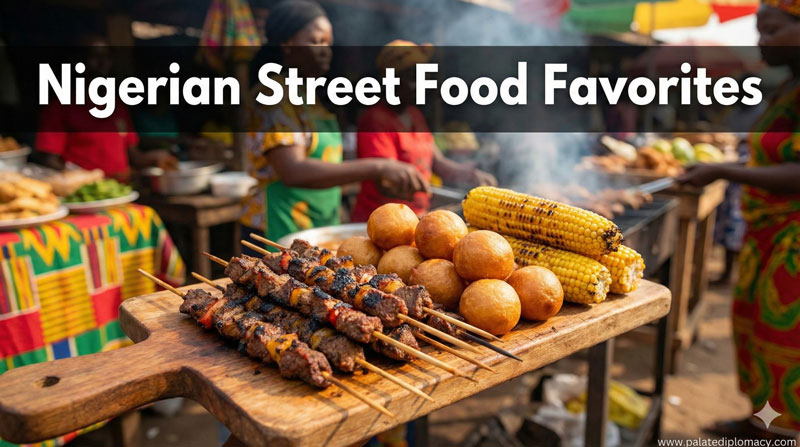
Suya starts with the simple act of grilling meat on skewers. Typically beef or goat is sliced into thin strips, seasoned generously, threaded onto skewers, and roasted over glowing charcoal. The result is a crisp-edged exterior and a juicy interior, kissed by smoke. The magic lies in the spice rub, a fragrant blend that turns ordinary meat into an inviting feast. The aroma alone invites conversation, sharing, and slow, appreciative tasting.
The Spice Blend: Yaji and the Rub
Central to suya’s character is the spice mix, often called yaji. This blend blends heat, earthiness, and a touch of sweetness. Ground roasted peanuts form a nutty base, while chili peppers deliver warmth. Garlic, ginger, onions, and salt create depth, and some versions add a hint of sesame or other seasonings. Vendors may adjust the mix to emphasize smokiness or heat, but the core idea remains the same: a bold, well-balanced rub that enhances the meat without overpowering it.
Suddenly, the spice is more than flavor. It signals skill and care. The rub is applied with purpose, letting the meat reveal layers of aroma as it cooks. The blend travels with the dish from kitchen to street corner, becoming a signature that many Nigerians recognize and celebrate.
The Technique: Grilling Over Charcoal
The method of cooking matters as much as the spice. Charcoal grilling creates a gentle, even heat that slowly renders fat and develops a slightly caramelized crust. Vendors turn skewers with steady hands, maintaining a consistent rhythm. Each turn promotes even charring and a smoky fragrance that spreads through the air. This technique rewards attention and patience, and it turns a simple bite into an event. The social mood rises as grills snap and sizzle, drawing in neighbors and passersby.
Social Life and Gathering: Suya as Shared Experience
In many communities, suya stands are more than food stalls. They are social hubs where neighbors catch up, friends reconnect after work, and families gather for a quick, satisfying meal. Suya creates a space for conversation and connection. People assemble around the grill, share plates, and pass the spicy skewers from hand to hand. The act of sharing—slices of meat, fresh onions, and tomato wedges—embodies hospitality and warmth. The street becomes a communal dining room, and the cook a trusted guide who knows exactly how to coax flavor from simple ingredients.
Markets come alive in the evening with the scent of spice and smoke. Suya fuels social rituals: it marks the end of a workday, accompanies a casual night out, and punctuates celebrations with its confident flavor. The dish becomes a signal of welcome, a reminder that food is a common language that brings people together with joy.
Regional Variations: Diversity Within a Single Tradition
Nigeria’s regional diversity shines through suya. While beef and goat are common, some cooks experiment with chicken or lamb, each offering a distinct texture and nuance. The spice rub adapts to local tastes, with variations that emphasize smokiness, heat, or nutty notes. In some areas, vendors complement the meat with extra vegetables or a sharper pepper sauce. In others, the cadence of grilling changes with the climate and market rhythms. This regional variety demonstrates how a single dish can reflect different palettes while remaining unmistakably suya.
Serving Traditions and Pairings
Served hot, suya invites immediate savoring. It often appears with fresh onions, sliced tomatoes, and crisp cucumber for balance. A squeeze of lime or a light pepper sauce can brighten the palate. The simplicity of the accompaniments highlights the bold rub and the smoky meat. Across households, people pair suya with everything from flatbreads to starches, choosing combinations that suit the moment. The serving style reinforces its social nature: a dish meant to be shared, enjoyed, and discussed.
The Craft, the Market, and the Vendor
Suya carries a respect for craft. The Best vendors train for years, mastering timing, heat control, and the art of applying the rub evenly. The market stall becomes a small studio where skill meets tradition. Each skewer reflects a balance of recipe and technique, a testament to patience and pride. This craft supports local economies, sustains family businesses, and preserves a living culinary heritage. In this way, suya is as much about people as it is about spice.
Suya at Home: Bringing the Experience Inside
Home cooks welcome suya into their kitchens with enthusiasm. A well-made spice rub can travel beyond the grill, guiding oven-roasted or skillet-cooked versions that still honor the dish’s essence. Making suya at home offers a personal connection to tradition, inviting families to teach younger generations about flavor, timing, and the joy of sharing a meal. In every kitchen, suya becomes a bridge between ancestral technique and contemporary life.
Why Suya Captures the Heart
- Aroma and texture: The scent of roasting spice and meat creates anticipation. The contrast of a crisp exterior with a tender interior delights the senses.
- Accessibility: Suya uses humble ingredients that are easy to source. The street-corner experience makes it approachable for many people.
- Hospitality: Sharing suya embodies warmth and welcome. It invites community and conversation, turning dining into a social ritual.
- Craft and tradition: The skill behind the rub and the grill honors time-honored methods while inviting individual creativity.
- Versatility: Suya adapts to different meats, spice preferences, and serving styles, making room for personal expression within a shared tradition.
A Respectful Invitation to Explore
If you are curious about Nigerian flavors and cultural cooking, suya is a wonderful doorway. It showcases how a dish can embody both everyday life and communal celebration. The beauty lies in the balance: spice that excites, meat that satisfies, and a social moment that makes the meal memorable. Approach suya with curiosity and appreciation, and you will discover a dish that respects tradition while inviting new experiences.
Closing Thoughts
Suya stands as a beloved staple in Nigerian food culture because it is more than taste. It is a social rite, a craft, and a beacon of hospitality. The smoky aroma, the vibrant rub, and the shared enjoyment create a warm, inviting ambiance that lingers long after the last bite. This is why suya remains one of Nigeria’s most loved dishes—a celebration of flavor, community, and the simple joy of good food enjoyed together.