
Why Suya Is One of Nigeria’s Most Loved Dishes
Suya lights up streets, markets, and family meals with a bold aroma and a confident bite. It is a dish built on balance: lean meat, a crisp char, and a fiery yet inviting spice mix. People near and far come together around a grill to celebrate generosity, craft, and shared appetite. Suya is more than a snack; it is a moment of connection. Each skewer invites conversation, a quick laugh, and the pleasure of a well-seasoned crust that gives way to tender meat. In this way, suya earns its place as one of Nigeria’s Most Loved dishes—the flavor of a moment, the memory of a gathering.
The Spice at the Core: Yaji
The Heart of suya is the spice blend, often called yaji or suya spice. This mix brings a distinctive nutty heat that elevates the meat without overwhelming it. Common elements include ground peanuts, red peppers, and a blend of aromatic spices such as ginger, garlic, onion, and salt. Some cooks add a touch of paprika, coriander, or a whisper of sesame. The peanuts provide a smooth, roasted note that lingers on the palate, while the peppers deliver brightness and warmth. The spice is usually ground fresh and rubbed into the meat, allowing flavors to cling to each surface. The result is a coating that crackles as it grills, releasing a fragrant invitation before any bite is taken.
The Grill and the Craft
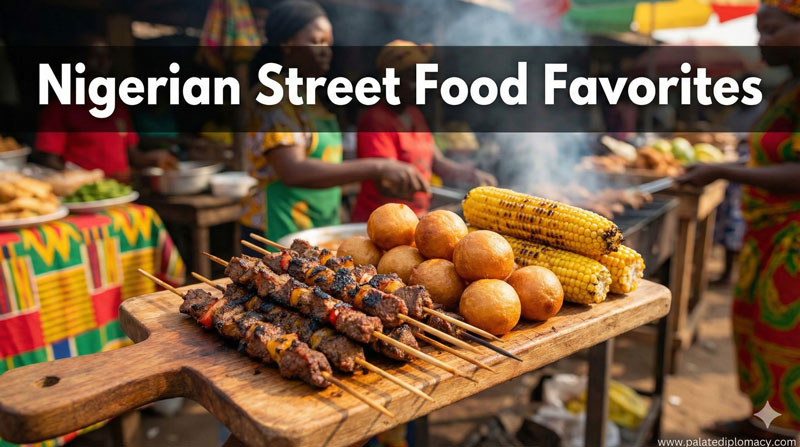
Suya is a ceremony of technique as much as taste. Meat is cut into slim, uniform pieces, threaded onto long skewers, and positioned near a charcoal grill. The heat is steady; the smoke is inviting. Vendors rotate the skewers with practiced hands, allowing an even sear and a crust that stays juicy inside. The crust forms quickly, locking in flavor and moisture. A good suya carries a balance: a crisp exterior, a tender interior, and a perfume of peanuts and peppers that announces itself before the first bite. The craft is tactile and intimate—the touch of the spice, the rhythm of turning skewers, the patience to wait for the perfect char. This is food preparation as a living tradition, passed down through neighbors, families, and street-side vendors who read flames as deftly as a musician reads a score.
A Social Thread: Gathering and Sharing
The social value of suya shines in the moments around the grill. Markets hum with vendors and buyers, and evenings glow as friends converge for a quick meeting over fire and flavor. Suya acts as a social glue, a reason to linger, to share a slice with someone nearby, to compare spice levels, and to appreciate the craft of the cook. It is common to see groups of colleagues, families, or neighbors exchange stories while sampling skewers. The ritual of ordering, waiting, and nibbling creates a sense of belonging. In this way, suya is not only food; it is a communal experience that celebrates goodwill, conversation, and the simple pleasure of good taste.
Regional Voices and Meat Choices
While beef is a staple, suya adapts to regional preferences and available meat. Goat and lamb are beloved for their distinct textures, while chicken offers a lighter alternative with a different mouthfeel. Fish varieties appear in coastal regions, adding their own delicate texture to the smoky, spicy profile. The spice mix and grilling approach can shift subtly by region—some favor a bolder, hotter punch, others a more aromatic, herb-forward note. These variations demonstrate how a single concept can traverse diverse kitchens, remaining recognizable while reflecting local favorites and ingredients. Across Nigeria, suya remains a flexible canvas that honors tradition while inviting personal touch.
Enjoying Suya: Pairings, Sides, and Eating Style
Suya shines best when enjoyed with crisp accompaniments and fresh freshness. Thin slices of onion, juicy tomato, and cucumber provide a bright contrast to the spicy meat. A squeeze of lime or a light drizzle of lemon can brighten flavors further, while a cool drink complements the heat beautifully. Some people enjoy suya with warm flatbreads or corn-based accompaniments that help balance the spice. The ritual of cutting, dipping, and sharing makes each bite a social moment as well as a culinary one. Simple, bright beverages and clean textures let the suya take center stage and keep the experience lively and satisfying.
Cooks, Markets, and the Craft’s Future
The enduring appeal of suya lies in its accessibility and its craft. It thrives in street markets, neighborhood grills, and family gatherings, yet it can also be replicated at home with care. The key is to respect the balance of heat, nutty aroma, and flame-kissed texture. When honoring the dish, cooks emphasize fresh ingredients, steady heat, and thoughtful spice preparation. This approach keeps suya vibrant for new tasters while honoring longtime fans. The future of suya is guided by skilled hands, thoughtful seasoning, and an inviting shared table where flavor serves as a bridge between people.
How to Bring the Suya Experience Home
If you want to recreate the suya spirit at home, start with a good spice blend: ground peanuts, chili peppers, garlic, and ginger, plus a pinch of salt and a touch of onion powder. Slice the meat thin and marinate briefly to let the flavors cling. Grill on a medium-high heat until a crisp crust forms and the inside stays juicy. Rest the meat a moment, then serve with fresh onions, tomatoes, and cucumber. Keep the approach simple and focused on the balance of smoky aroma, peanut warmth, and bright freshness. With patience and care, you can evoke the charm of the street-side grill in your own kitchen.
A Lasting Celebration of Flavor and Community
Suya remains one of Nigeria’s most loved dishes because it honors flavor and fellowship in a single, shared experience. It invites careful attention to technique and a generous spirit of sharing. The dish speaks to a culture that values craft, warmth, and connection. By savoring suya, you join a long and inviting tradition that celebrates food as a communal joy—something to cook, to taste, and to pass along with pride.