
Introduction
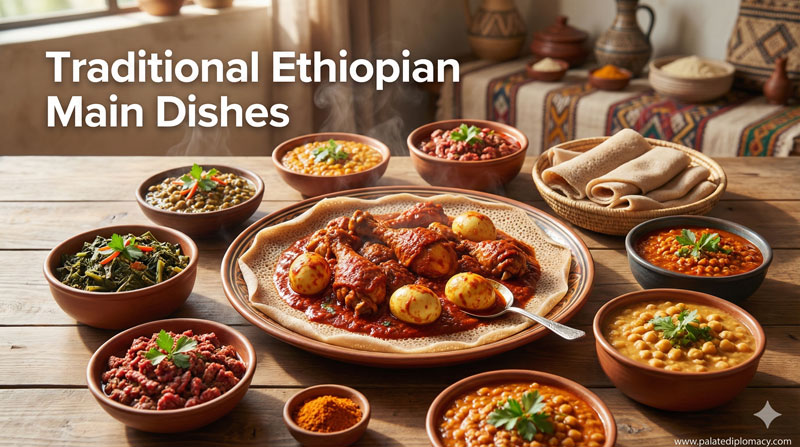
Tibs is one of Ethiopia’s most cherished dishes, a bright and inviting centerpiece on many tables. This sizzling preparation centers on tender meat, usually beef or lamb, cooked with onions, peppers, garlic, and a fragrant blend of spices. The aroma carries warmth and hospitality, inviting everyone to gather. In Ethiopian homes and in shared eateries, tibs speaks a language of care, generosity, and seasonal pride. It shines not only as food but as a celebration of togetherness, flavor, and the simple joy of reaching for a delicious, family-made meal.
What Tibs Includes
Tibs is defined by its method as much as its ingredients. Meat is cut into bite-sized pieces and quickly sautéed at a lively pace, which preserves juiciness and creates a caramelized edge. onions soften and release sweetness, and colorful peppers add brightness. Spices like berbere and sometimes mitmita provide a warm, peppery note, while garlic and ginger contribute depth. A touch of niter kibbeh, Ethiopian clarified butter, adds a nutty richness. The dish is often finished with fresh herbs and a squeeze of lemon for brightness. This balance—savory meat, sweet onion, spicy kick, and aromatic fat—defines tibs and makes it instantly recognizable.
Cultural Significance
Tibs sits at the heart of Ethiopian food culture as a dish that welcomes guests and honors sharing. It appears at family gatherings, midweek meals, and weekend celebrations, adapting to the mood of the occasion. The act of cooking tibs is often collaborative, with different family members lending a hand in the kitchen and a voice at the table. The dish signals hospitality and care, inviting others to partake and linger over conversation. In many homes, tibs becomes a memory in the making—an aroma that returns whenever someone closes their eyes and imagines a warm, busy kitchen filled with laughter and good cheer.
Textures, Techniques, and Tastes
The magic of tibs comes from quick, high-heat cooking that sears meat while preserving tenderness. The sizzling sound signals life in the pan, and the resulting crust adds texture. The onions, garlic, and peppers mellow together, releasing their natural sugars and providing a sweet counterpoint to the peppery spice. Butter or oil carries the fat and helps bloom the spice paste, letting aromas rise in waves. The finished dish offers a balance: juicy meat, crisp vegetables, a gentle heat, and a glossy glaze that clings to each piece. This harmony is why tibs feels both comforting and exciting at the same time.
Regional Variations
Across Ethiopia, tibs shows regional personality while keeping its core identity. Some cooks lean toward beef, others toward lamb or goat, and chicken tibs also appears on menus and in homes. The pepper level and spice blend vary by family and region, producing anything from a milder, herb-forward version to a briskly spiced, tangy rendition. Some cooks enrich tibs with extra tomato for brightness, while others rely on a purer onion-and-spice profile. The dish can be time-conscious for a quicker meal or paced longer for deeper caramelization. These subtleties reflect local tastes, ingredients, and culinary memory, all playing a part in why tibs remains deeply personal and widely loved.
Serving, Sharing, and Etiquette
Tibs is most often served with injera, the spongy teff flatbread that doubles as a utensil and a plate companion. Diners tear off a piece of injera, scoop a portion of tibs, and enjoy the meld of flavors in a single bite. Because tibs is shared, the dish sits at the heart of the table, inviting conversation and connection. Fresh lemon or lime, a sprinkle of herbs, and sometimes a side of-well-paired vegetables or salad complete the spread. The experience emphasizes generosity, patience, and the pleasure of eating together, with each person contributing to the shared moment.
A Quick Home Guide to Tibs (Simple Steps)
- Heat oil or niter kibbeh in a wide pan until shimmering.
- Add sliced onions and sauté until translucent and sweet.
- Introduce bite-sized meat, searing on all sides for color.
- Stir in garlic, ginger, and a bold spice blend (berbere and/or mitmita).
- Add bell peppers or hot peppers for brightness and bite.
- Cook just until the meat is tender and the flavors meld; finish with a squeeze of lemon and any fresh herbs you like.
- Serve with injera or crusty bread, and enjoy the shared moment at the table.
The Beauty of Tibs in Ethiopian Food Culture
Tibs captures the essence of Ethiopian Cuisine: quick, flavorful cooking that respects ingredients, a love of community, and a lively, aromatic profile that welcomes everyone to the table. It demonstrates how texture and spice can tell a story—one of care, craft, and seasonal ingredients working together. The dish invites cooks to adapt with what’s on hand, to honor family preferences, and to celebrate the daily ritual of preparing a meal that feels both personal and universally inviting. In this way, tibs stands as a bright thread in the fabric of Ethiopian culinary culture—simple in technique, rich in meaning, and endlessly approachable for both home cooks and seasoned chefs.
Conclusion
Why is tibs one of Ethiopia’s most loved dishes? Because it is more than sustenance; it is an invitation. It invites us to gather, to share, and to savor a moment that is built from honest ingredients and careful preparation. It offers warmth in aroma, joy in color, and pleasure in every bite. Through tibs, Ethiopian cooks tell a story of hospitality, craftsmanship, and the enduring beauty of food that brings people together.