
What Makes Tibs So Special in Ethiopia
Tibs is more than a dish. In Ethiopia, it is a warm invitation to gather, share, and savor. The name itself invites curiosity, but its true magic lies in how it brings people together around a simple plate. When tibs appears, it signals a time to celebrate hospitality, to slow down, and to enjoy food as a communal experience. This is a dish that speaks to the heart of Ethiopian life: generosity, conversation, and a sense of belonging.
A Dish That Welcomes and Celebrates
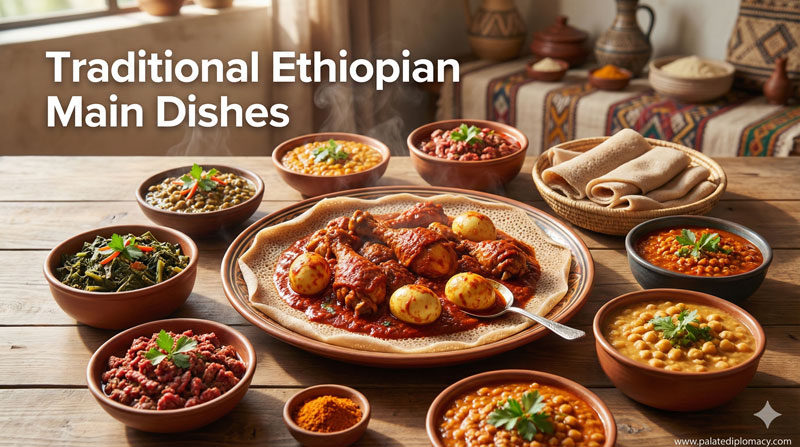
The core idea of tibs centers on hospitality. Sautéed meat, onions, peppers, and spices come together in a bright, fragrant skillet. The sizzling sound and the steam rising from the pan cue guests to the table. Traditionally, tibs is served on top of injera, the spongy, sour flatbread that acts as both plate and utensil. This pairing makes every bite an easy, shared moment. The act of eating tibs becomes a ritual of inviting others to join, to taste, and to speak at length about the day’s joys.
Tibs also marks occasions. It appears during family gatherings, holiday meals, and seasonal celebrations. In each setting, the dish adapts to the moment: meat cut into bite-sized pieces, a handful of peppers for color, and a balance of spice that awakens the senses. The result is a dish that feels familiar and comforting, no matter who cooks it. Through tibs, households express care for guests and a longing to Make meals memorable.
Flavor, Technique, and Tradition
The flavor profile of tibs is lively yet balanced. Meat—usually beef or lamb—is trimmed and cut into small pieces. It meets onions, garlic, and ginger in a quick, high-heat sizzle. Peppers or tomatoes may join the pan, adding color and sweetness. The spices—often berbere and sometimes mitmita—bring warmth, depth, and a gentle bite. A kiss of salt and a splash of clarified butter or oil finish the dish, enriching every morsel with aroma and sheen.
Technique matters as much as ingredients. The cooking style emphasizes rapid browning and careful simmering to keep the meat juicy while developing a caramelized exterior. This contrast—soft, tender meat inside a crisp, browned edge—creates texture that invites conversation between bites. The kitchen fills with a layered aroma: peppery heat, toasted spice, and the nutty scent of the fat. Each note signals hospitality and care, inviting diners to slow down and enjoy the moment.
Culinary tradition also honors balance. The tang of injera helps mellow the heat of tibs, while the dish’s brightness comes from fresh herbs and hot peppers. This interplay of flavors mirrors Ethiopian dining culture, where freshness, balance, and aroma are valued as much as sustenance. Tibs becomes a showcase for technique, yet it remains approachable for home cooks and guests alike.
The Social Table: Tibs and Ethiopian Etiquette
Eating tibs is a social act. The table becomes a space for conversation, laughter, and shared memory. When tibs lands on the table, hosts often encourage guests to take generous portions, fostering a sense of abundance. The tradition of gursha—feeding another person a bite with the right hand—embodies trust, generosity, and mutual respect. Gursha is a small, meaningful gesture that highlights the warmth of Ethiopian hospitality, and tibs provides the perfect vehicle for it.
In many homes, tibs dinner extends beyond taste. It is a time for stories, planning, and reflection on everyday life. The dish helps create a rhythm in the evening: a warm, aromatic start, followed by comfortable, lingering conversation. The social aspect of tibs is inseparable from its flavors; the shared plate reinforces the idea that meals are communal, not solitary.
Regional Palettes and Personal Touches
While tibs shares a common core, regional and household variations contribute to its rich tapestry. Some cooks lean toward a stronger berbere presence for a hotter, spicier finish. Others favor a milder profile, letting the sweetness of onions and peppers shine through. The choice of meat—beef or lamb or even goat—shapes the dish’s character and texture. The amount of fat, the intensity of the sizzle, and the pace of cooking can all reflect Family Traditions and personal preferences.
Vegetables and herbs add nuance as well. A sprinkle of fresh cilantro or a squeeze of lemon can brighten the skillet at the end. The balance among heat, savor, and aroma remains the guiding principle, but small tweaks reveal the unique voice of a cook or a grandmother’s lingering touch. This flexibility is part of tibs’s charm: it adapts to the moment while honoring a shared culinary language.
From Plate to Pairing: Injera and Aromatic Complements
Tibs does more than stand alone; it thrives when paired with injera. The soft, porous bread acts as both plate and spoon, absorbing juices and sauces while offering a textural counterpoint. Diners tear a piece of injera, scoop tibs, and use another piece to wrap the bite for a complete mouthful. This practice deepens the sense of sharing and connection at the table.
Simplicity often guides the drink and side choices. A cup of coffee or a warm tea may follow the meal, turning the dining moment into a gentle arc of flavor—from spice and fat to bitterness and aroma. Herbs, citrus, or fresh greenery can accompany tibs, adding brightness without overpowering the dish. The overall effect is a cohesive dining experience that feels both comforting and celebratory.
Crafting Tibs at Home: A Warm Welcome
Home cooks can bring tibs to life with a few focused steps. Start with a hot pan and a small amount of fat to achieve a good sear on the meat. Add onions and garlic, letting them soften and release their sweetness. Introduce peppers and tomatoes, then fold in berbere and any other spices you enjoy. Finish with a pat of butter or a drizzle of oil to gloss the surface. The goal is to create a glossy, aromatic skillet that invites guests to gather round.
Serve tibs hot, with injera close at hand. Encourage everyone to take turns—first to taste, then to share stories. The dish shines when prepared with care and shared with generosity. In this way, tibs becomes not just food but an invitation to connect, to celebrate daily life, and to honor a culinary heritage that values warmth and togetherness.
A Dish with a Gentle Beauty
Tibs is a bridge between flavor and feeling. It blends the sizzle of a skillet, the fragrance of spices, and the comfort of a shared table. In Ethiopian culture, this combination embodies hospitality, generosity, and a sense of belonging. Tibs teaches that food can nourish more than the body; it can nourish community, conversation, and memory. Through this dish, kitchens become gathering spaces, and meals become rituals that honor both tradition and the present moment.
If you seek a meal that speaks of welcome, craft tibs with care. Let the spices sing, let the meat bloom with color, and let injera carry The Story to the last bite. In doing so, you join a long, living tradition—one that celebrates the beauty of food and the joy of sharing it with others.