
Why Travelers Are Falling in Love with Gravlax
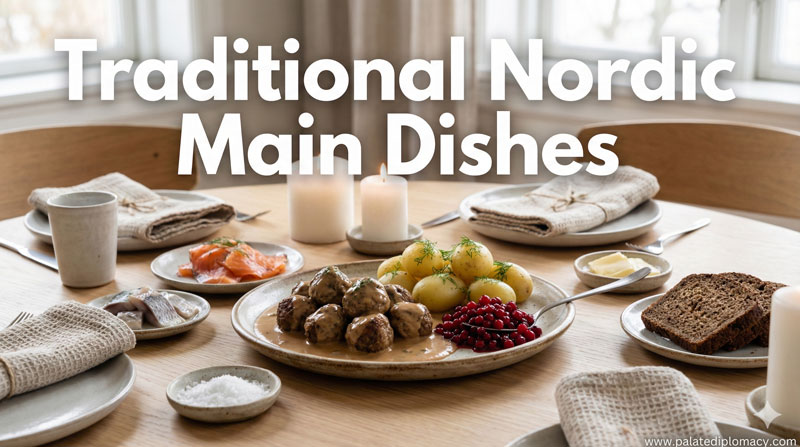
Gravlax draws travelers with its calm balance of sea brightness and herb lift. This cured salmon feels Like a quiet invitation to Nordic shorelines, markets, and home kitchens. Each bite carries a memory of cool air, pine, and a seaside breeze. The dish travels well, appearing in cafés and bistros far from its origin, yet it remains clearly connected to its roots. In tasting gravlax, visitors sense careful technique, patient timing, and a philosophy of shared meals.
What Gravlax Is and How It Is Made
Gravlax is salmon cured with salt and sugar, lightly flavored with fresh dill. The method is simple in form and precise in practice. The fish rests under a blanket of salt and sugar, often with dill and a touch of pepper, for a day or two. After curing, it is rinsed, patted dry, and sliced very thin. The result is a silky pink fillet, ready to be served with mustard-dill sauce, bread, and citrus.
The Nordic Craft of Curing
Historically, gravlax grew from a practical method to preserve salmon along Nordic coasts. The fish would be layered in a curing mix and kept cool, sometimes buried in a bed of salt and sand. This technique honors patience, balance, and restraint. The craft emphasizes small, deliberate steps: selecting fresh fish, measuring salt and sugar, layering dill, and watching the cure without rushing. For travelers, this ritual reveals how food is shaped by place, season, and careful hands.
The Senses: Texture, Aroma, and Color
When gravlax arrives at the table, the color speaks first—soft pink and glossy, with a sheen that hints at tenderness. The aroma blends dill with a clean fish note and a whisper of citrus. The texture feels buttery and delicate, yet firm enough to hold a crisp knife cut. Each slice carries a clean finish, inviting a gentle bite before the sauce and bread take center stage. The sensory harmony makes gravlax memorable in any dining setting.
Gravlax in Markets, Cafés, and Home Kitchens
Travelers often encounter gravlax in harbor markets and bright café corners. It appears on open-faced sandwiches, on tasting boards, and as a refined starter in Nordic-inspired menus. In many homes, families share their own cure-secrets and serve gravlax with story and smile. This accessibility helps travelers connect with a cuisine beyond a single restaurant plate. The dish acts as a bridge between daily meals and culinary heritage.
Traditional Pairings and Sauces
A classic pairing is gravlax with a tangy mustard-dill sauce, known in some circles as hovmästarsås. Rye bread or crispbread provides a sturdy, earthy counterpoint. A few cucumber slices and a lemon wedge brighten the plate. Fresh dill sprigs echo the curing herbs, completing a fresh, balanced presentation. These elements show how a simple method can become a refined, universal tasting experience.
Modern Twists and Global Travel Kitchens
Today, chefs and travelers explore gravlax with creative twists while preserving core techniques. Some versions add citrus zest, beets, or lightly pickled components for variation. Others experiment with lighter or darker curing times to alter texture. Yet the essence remains: a clean, elegant salmon with herbal brightness that travels well and speaks softly of its coastal origins. This adaptability helps gravlax fit many menus without losing its cultural voice.
How to Experience Gravlax on the Road
When you encounter gravlax, take a moment to observe the preparation and presentation. Order it with its traditional sauce and a slice of rye if available. Notice the balance between salt, dill, and the salmon’s own sweetness. Savor slowly, letting the flavors unfold with each thin slice. In conversations with locals, you may hear How Families care for the cure and how the dish becomes a cherished part of gatherings. Gravlax invites curiosity, respect, and a peaceful appreciation of culinary craft.