
Why Travelers Are Falling in Love with Injera with Wat
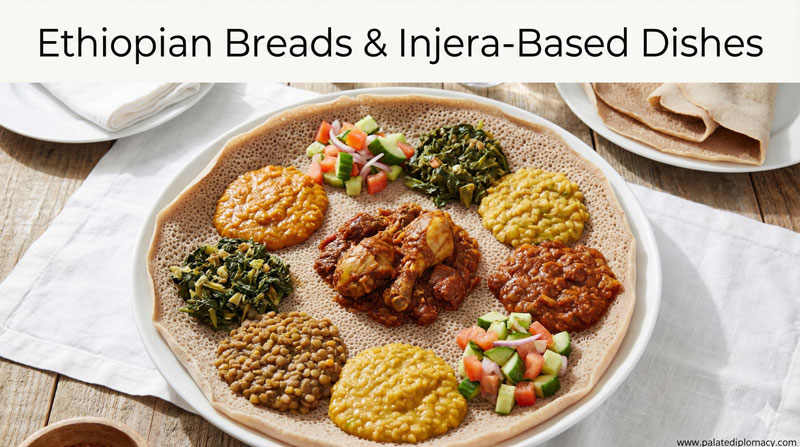
Injera with Wat welcomes travelers with a sensory invitation: a soft, spongy pancake that doubles as a plate, a bright aroma from simmering spices, and a communal moment around a large, shared platter. The dish sits at the heart of everyday life, where the table becomes a stage for skill, care, and conversation. Travelers often find that the experience goes beyond taste. It offers a gentle ceremony of hospitality, patience, and connection. The tang of injera and the warmth of wat balance zest with comfort, turning each bite into a small, joyful journey.
The Foundation: Teff, Fermentation, and the Bread
Teff, the tiny grain behind injera, gives strength to the dish. Fermentation creates its characteristic tang and a light, porous texture that soaks up sauce without falling apart. The batter rests, breathes, and then pours onto a hot surface, forming a large round. The result is injera: a bread that acts as both plate and utensil. Cooks watch the bubbles rise and the edges set precisely, producing a surface that invites scooping and sharing. This careful process connects craft with culture in a single, edible gesture.
Wat: A Symphony of Spice and Slow Cooking
Wat Is the heart and depth of Injera with Wat. Slow cooking layers sweet onions, garlic, and a blend of spices until the mixture glows with aroma. Berbere and other spice blends invite warmth, while clarified butter—niter kibbeh—adds a mellow richness. The stew can be hearty with lentils, chickpeas, or tender meat, or luminous with vegetables. Each bite reveals balance: savoriness, a hint of sour from the injera, and a soothing finish that lingers. Travelers sense a story in every spoonful, a narrative of patience, heat, and care.
The Ritual of the Table: Sharing, Tear, and Taste
Eating Injera with Wat is a shared ritual. Guests tear a piece of injera and use it to scoop the wat, never needing forks. The bread carries sauce, absorbs flavors, and becomes part of the tasting experience. This practice fosters present attention and togetherness. Clear, rhythmic pacing helps everyone savor the moment. The table becomes a circle of welcome, where conversation grows alongside aroma and steam. In this simple act, food becomes a bridge between senses and stories.
Regional Variations: A Tapestry of Flavors
Across regions, Injera with Wat wears different flavors and textures. Some injera is thicker and spongier, some thinner and crisper around the edges. Wat varies with ingredients, such as lentils, chickpeas, beef, or chicken, and with spice blends that echo local taste. Yet the core idea remains: a shared meal built on a sour, airy bread and a soul-satisfying stew. Travelers notice how these regional touches honor daily life, while preserving a common heartbeat of hospitality and care.
A Traveler’s Perspective: Senses, Story, and Slow Joy
For a traveler, the first encounter is scent: warm, earthy, with a whisper of lemony brightness. The texture invites touch: soft injera, meaty or vibrant wat, and the comforting sound of friends and strangers talking together. The flavors tell a story of time: fermentation that took patience, spices that traveled through trade routes, and techniques passed down by hands that care for each meal. The experience invites slow enjoyment, mindful tasting, and a sense of arrival in a welcoming place.
Bringing the Experience Home: Tips for the Curious Eater
If you wish to carry the spirit of Injera with Wat into your kitchen, begin with teff or a teff blend for authenticity. Observe the tang that fermentation brings, and aim for a batter that forms a tender, porous surface. When you simmer wat, balance spice with aroma, allowing onions and garlic to glow before adding other ingredients. Finally, remember the table ritual: share, scoop, and savor together. The pleasure of Injera with Wat lies in the warmth of the moment as much as in the flavors on your plate.