
Opening Flavor Passport
Travelers often hunt for meals that feel Like a story told in heat, smoke, and aroma. Jerk chicken stands out as one clear passport stamp from Jamaica’s vibrant food scene. Each bite invites you to listen to the sizzle, smell the spice, and feel the rhythm of a coastal island kitchen. The dish blends fire, herbs, and patience, turning a simple chicken into a travel memory you carry home.
The Heart of Jerk: Marinade and Method
Jerk chicken begins with a signature marinade. The mix is a bright, bold blend of heat and fragrance. Scotch bonnet peppers bring warmth and fruitiness, while allspice notes a warm, floral depth. Thyme and garlic add green freshness, with scallions lending a crisp bite. A touch of ginger brightens the mix, and a hint of cinnamon or nutmeg sometimes appears for warmth. The result is a paste that clings to the meat and awakens the grill in an instant.
In practice, chicken is coated generously and allowed to rest. The resting period lets flavors penetrate. Then cooks move to fire, whether on a traditional charcoal grill or a modern grill with smoke. The heat upgrades the aroma into a welcoming scent that travels through streets and markets. The result is a chicken that is deeply seasoned, with a moist center and a crisp, smoky crust.
Spice and Smoke: Aromas that Tell a Place
The spice blend is more than heat. It is a story of aroma. The smoky note comes from the grilling method, often using wood that adds a nuanced, earthy character. The pepper heat is present but balanced, allowing the herbs to shine. The sweetness from sugar or palm sugar softens the bite and enhances caramelization on the exterior. Together, these components create a fragrance that draws people to the grill and, soon after, to the table.
Travelers notice the balance first: a whisper of spice, a burst of herbaceous green, and a gentle sweetness that lingers. The texture also matters. The exterior becomes slightly charred, which adds depth, while the inside remains juicy. This contrast makes each bite feel thoughtful and celebratory, as if the kitchen were wrapping travelers in a warm welcome.
Cooking Techniques: Craft and Care
Jerk chicken thrives on careful technique. Marinade penetration is key, so time matters. Some cooks marinate for hours; others opt for longer periods to deepen the layer of flavor. The grill scene is immersive: the crackle of fat, the hiss of heat, and the visible glaze forming on the meat. Even the spacing of the pieces influences a consistent cook. The best jerk chicken offers even heat, steady flames, and a smoky finish that does not overpower the meat’s natural succulence.
This technique also reflects a culture of craft. A cook’s skill shows in how evenly the spice coats the chicken, how long it rests, and how confidently the grill is managed. Travelers who watch the process gain insight into the care that goes into everyday cooking. In this way, the dish becomes a live lesson in mastery and hospitality.
Cultural Value for Travelers: Food as a Social Moment
Jerk chicken is more than a meal; it is a social experience. In markets and seaside eateries, cooks invite guests to share space around the grill. The aroma invites conversation, and the food becomes a topic of discovery. Travelers taste the dish and learn about timing, heat, and patience in a setting that invites questions and smiles.
In many places, jerk chicken is connected to family and neighborhood life. Meals are occasions for gathering. Stories flow with the steam, and strangers become friends over a shared plate. This social dimension is part of the dish’s cultural value, offering travelers a chance to connect with local hospitality through food.
Flavor Profile and Pairings: What to Expect at the Table
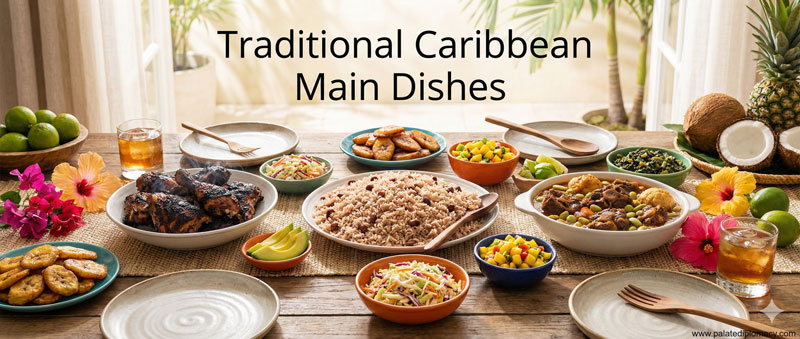
Expect a balance of heat, smoke, and herb. The spice layer often carries citrusy brightness from the peppers and green notes from thyme. The chicken’s savory, slightly sweet interior complements starchy sides. Common pairings include rice and peas, fried plantains, or festival bread. A simple lime wedge can brighten the finish. Choices of drink, such as a refreshing soda or a light, chilled juice, can harmonize with the spice.
For travelers, these pairings become cues to a place. The familiarity of rice and beans or plantains makes the experience approachable, while the jerk spice tells a story of island flavor and culinary joy. The result is a meal that feels both comforting and exciting in a single bite.
Practical Tips for Travelers: Finding and Enjoying Jerk Chicken
- Look for a busy, well-lit grill with steady smoke. It often signals well-seasoned cooking and careful attention.
- Ask about the level of heat. Jerk can range from mild to hot, and many cooks tailor spice to preference.
- Observe the ingredients. Fresh thyme, scallions, and peppers are good indicators of a vibrant marinade.
- Try a few sides to explore the full flavor spectrum. The dish shines with complementary tastes and textures.
Why This Dish Resonates: A Gentle Ode to Craft and Place
Jerk chicken resonates because it merges technique, aroma, and community. The spice blend captivates the senses, while the cooking method preserves tenderness and depth. The resulting dish invites travelers to pause, savor, and learn about a place through its food. It is a celebration of simple ingredients elevated by careful hands and a shared table.
Closing Note: A Warm Invitation to Taste and Explore
If you are planning a journey with your palate, consider jerk chicken as a memorable waypoint. Its flavors travel well, its techniques teach patience, and its social warmth reflects the spirit of the places where it is made. By tasting it, travelers discover not just a dish, but a doorway to the heart of a lively Food Culture.