
Why Travelers Are Falling in Love with Jollof Rice
Jollof rice welcomes travelers with color, aroma, and a homely warmth. It is a dish that glows on a table and invites conversation. In every bite, there is a sense of place, a pulse of shared meals, and a promise of hospitality. This post explores its cultural value and culinary significance, focusing on the beauty and craft behind the dish.
A Flavor that Welcomes: The Core of the Dish
Jollof rice centers on rice simmered in a bright tomato base. Onion, peppers, and garlic form the aromatic backbone. Spices such as thyme, bay leaf, and a touch of paprika or curry deepen the character. Stock or water nourishes the grains as they absorb flavor. The result is a one-pot dish that balances savor, brightness, and a gentle warmth. Travelers taste a story that unfolds with each spoonful, a story told by cooks who value balance, patience, and attention to detail.
Colors, Textures, and Aroma: The Visual Language
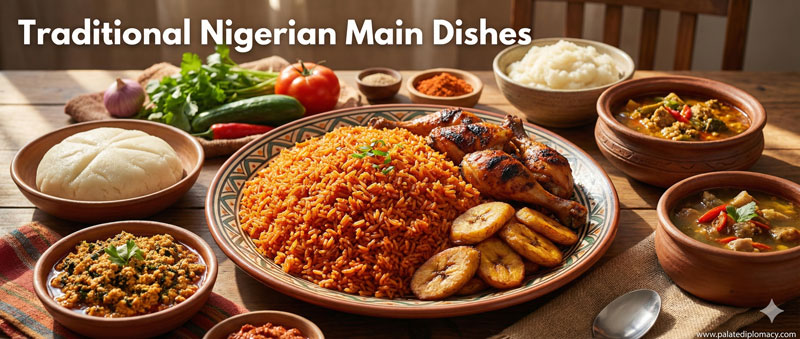
The dish presents a vivid palette—deep orange-red rice glistening with oil, flecks of green herbs, and specks of caramelized onions. Steam carries a comforting scent of tomato, pepper, and roasted notes. The texture matters too: tender grains that stay separate yet cling enough to carry sauce. Visual appeal and aroma invite the senses to explore, making each serving feel Like a small celebration.
The Craft of Shared Meals: Hospitality at the Table
Jollof rice is often prepared for gatherings—family meals, market feasts, and friendly get-togethers. It thrives in a communal setting, where everyone serves themselves and shares from a common pot. The act of passing a spoon, adjusting a pepper level for a guest, and exchanging compliments becomes part of the experience. Travelers sense a culture that values hospitality, attentiveness, and the joy of eating together.
Regional Voices: Nigerian, Ghanaian, and Beyond
Different regions offer their own riffs on the base recipe. Nigerian jollof tends to lean into a robust, smoky depth with a slightly peppery finish. Ghanaian versions may emphasize a brighter tomato brightness and a lighter, more fragrant aroma. Other West African interpretations—brought by cooks in towns, villages, and markets—offer subtle swaps in spice blends or spice levels. These variations are not competing; they are threads in a shared fabric of flavor. For travelers, tasting several versions is like reading dialects of the same language, each with its own charm.
The Technique: Layering Flavor, Building Texture
Key techniques elevate jollof rice from a simple rice dish to a refined creation. Sautéing onions and peppers creates a flavorful base. The tomato paste or crushed tomatoes build a rich depth as they caramelize gently. Spices are added gradually to bloom their aroma. The rice is rinsed, then cooked in the seasoned liquid until it absorbs color and moisture. A gentle simmer helps grains stay intact and sauce thicken with a glossy finish. The technique rewards patience and attentiveness, two qualities that travelers often appreciate in cooking near new places.
Travelers as Curious Learners: Discovering Jollof on the Move
Markets, street stalls, and cooking classes offer hands-on encounters with jollof rice. Travelers learn the rhythm of the dish by watching cooks, asking questions about ingredient choices, and tasting variations. These encounters become memories that linger long after the trip ends. The act of exploring a city through its food reveals how cooks tailor flavors to seasons, markets, and family traditions. Jollof rice becomes a friendly guide to regional ingenuity and love of good food.
Pairings and Places to Try: Complementary Flavors
Jollof rice pairs beautifully with plantains, leafy vegetables, and fish or lean meat. A side of fried plantains or a fresh tomato salad can brighten the plate. In many eateries, a light garnish of herbs or a squeeze of lime adds a final touch of brightness. Travelers savor how the dish harmonizes with simple accompaniments, creating a complete and comforting meal.
Bringing Jollof Home: Simple Tips for the Home Kitchen
- Start with a flavorful base: onion, garlic, and peppers sautéed until fragrant.
- Use a bright tomato base and a measured blend of spices.
- Choose a good rice variety and rinse it to remove excess starch.
- Add liquid gradually and simmer with a lid ajar for steam control.
- Finish with a short rest so grains set and flavors meld.
These steps help recreate a comforting, restaurant-style jollof at home, while still leaving room for personal touch.
A Living Tradition: The Heart of the Dish
Jollof rice stands as a celebration of craft and care. It embodies hospitality, shared meals, and creative flavor building. For travelers, it offers a doorway into daily life, a window into how cooks balance tradition with personal flair. The dish invites respect for technique, curiosity for local variations, and gratitude for meals that welcome everyone to the table. In this sense, jollof rice is not just food; it is a vibrant thread in the fabric of Food Culture.