
Why Travelers Are Falling in Love with Jollof Rice
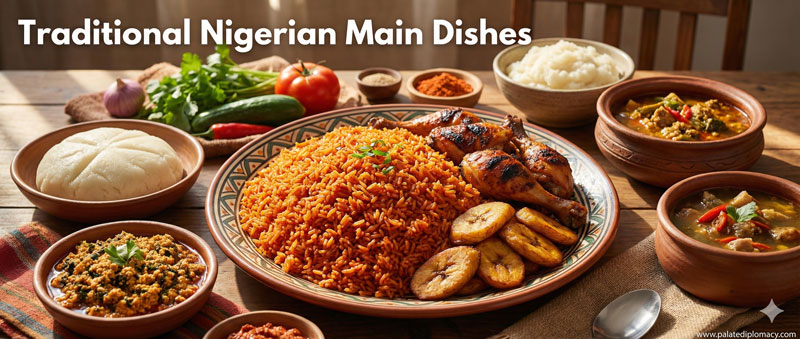
Travelers often meet Jollof Rice as a bright welcome in markets, cafés, and family kitchens. The dish is a one-pot celebration of color, aroma, and shared joy. A tomato-based sauce coats each fluffy grain, creating a warm, inviting plate. Its sunny red-orange hue signals a meal designed to delight the senses. The scent blends peppers, onions, garlic, and a kiss of oil into an aroma that draws people closer.
The Core Elements of Jollof Rice
At its heart, Jollof Rice is simple and soulful. The base is a rich tomato sauce that carries the key flavors: onion, garlic, ginger, and a blend of spices. Common companions include thyme, bay leaves, and a touch of curry or paprika for warmth. The rice is usually long-grain and parboiled, cooked in the sauce until it absorbs color and depth. Palm oil or a similar oil lends a glossy finish and a distinct, comforting note. While the exact mix varies by kitchen, the pattern remains clear: heat, flavor, and a respectful simmer until the grains are tender and the sauce clings lovingly to each bite.
Cooking as a Shared Ritual
Jollof Rice shines when prepared for a gathering. The cooking pot becomes a small stage where families and friends come together. The simmering sauce is a daily story, one that invites someone to stir, taste, and adjust the seasoning with care. In many homes, the dish is a centerpiece for sharing—plates are passed, conversations flow, and the meal unfolds as a social ritual as much as a culinary one. This sense of hospitality is a quiet but powerful part of its cultural value.
Regional Voices: Diverse Styles Across West Africa
Across West Africa, Jollof Rice wears many regional faces. In different kitchens, cooks adjust heat levels, spice blends, and rice timings. Some versions lean toward a bolder, spicier profile; others favor a brighter tomato-forward brightness. Ghana, Nigeria, Senegal, and neighboring regions all contribute their own touch, creating a family of related dishes rather than a single template. This variety showcases culinary creativity and local pride, underscoring how a shared idea can flourish in many beautiful forms.
The Sensory Experience: Aroma, Color, Texture
The appeal of Jollof Rice begins with sight and scent. The glossy sauce coats each grain, giving the plate its characteristic sheen. The aroma blends tomato sweetness with heat from peppers and the earthiness of spices. In texture, the rice offers a balance of tenderness and bite, with every mouthful carrying a chorus of onions and aromatic herbs. This sensory harmony invites lingering, making the dish memorable long after the meal ends.
Jollof as a Social Star on the Table
In many cultures, meals tell stories. Jollof Rice often plays a starring role in celebrations, family dinners, and shared lunches. It pairs well with vegetables, fried plantains, or grilled proteins, supporting a varied and colorful table. As a social dish, it encourages conversation and connection, turning a simple plate into an experience of warmth and togetherness.
Travelers’ Perspective: What Sings to the Palate
For travelers, Jollof Rice often feels like a welcoming postcard from a new place. The bright color, comforting aroma, and balanced flavor create an immediate sense of invitation. The dish invites curiosity about local ingredients and cooking methods, while offering a familiar sense of home through its shared nature and generous portions. In short, it’s a meal that says: you are welcome here.
A Look Ahead: Why It Endures
Jollof Rice endures because it blends practicality with poetry. It is efficient to cook in a single pot and generous enough to feed a crowd. It celebrates local ingredients and culinary imagination while remaining accessible to cooks new to the cuisine. The dish travels well in memory, culture, and conversation, inviting everyone to explore its many regional interpretations.
Conclusion: A Dish that Bridges Hearts and Tables
Jollof Rice stands as a culinary ambassador in its own quiet, tasty way. It honors hospitality, showcases regional creativity, and provides a comforting, flavorful experience. For travelers and locals alike, it offers a memorable taste of West African Food Culture—vibrant, welcoming, and deeply human. Each bite tells a story of family, community, and shared meals, inviting every visitor to return for another serving of warmth and color.