
Why Travelers Are Falling in Love with Karahi
Karahi draws travelers by invitation. It sizzles at the edge of a hot pan and releases a perfume of spice, tomato, and fresh herbs. Each bite feels Like a doorway to a bustling kitchen where time-honored craft meets everyday appetite.
What Is Karahi?
Karahi is both the dish and the pan. A wide, deep wok-style pot holds meat, tomatoes, and peppers as spices dance in. The sauce stays bright and glossy because it is cooked quickly over strong heat, letting the meat stay tender while the vegetables soften. Chicken, beef, or lamb all suit this style, but the technique remains the same: quick simmer, careful seasoning, and a final flourish of fresh cilantro.
A Dish for Shared Tables
Karahi shines in social meals. It is built for sharing, with a generous mound in the center and flatbread on the side. Friends and family gather around, breaking bread, dipping, and savoring the same pot. This communal spirit makes the dish feel welcoming to visitors and locals alike.
The Craft Behind the Dish
The beauty of karahi lies in balance. The base is a bright, tomato-forward sauce enriched with garlic, ginger, and green chilies. A whisper of garam spice, cumin, and coriander keeps the flavor lively without overpowering the meat. The final sizzle, a brief kiss of heat, seals in juices and creates a glossy finish that clings to each piece.
Regional Palettes and Variations
Different cooks bring subtle twists to karahi. Some prefer a smoky hint from a touch of oil or ghee. Others adjust chili for warmth rather than heat. The core remains: a fast, high-heat cook, a tomato-rich sauce, and pieces of meat in a savory coat. Travelers notice these nuances as they move from stall to stall or from small family kitchens to modern eateries.
Senses on the Road: Aroma, Color, and Sound
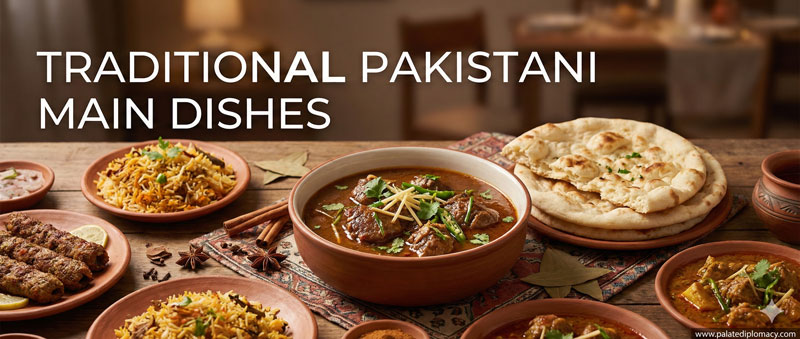
Walking toward a karahi, travelers meet a vivid scene. The pan glows coppery, the sauce glistens, and the air fills with roasted spice and fresh herbs. The hiss of sizzling meat and the fragrance of garlic draw you in. The sight, sound, and scent combine into a welcome ritual.
How to Enjoy and Where to Find It
Pair karahi with warm naan or flatbread and a drizzle of lemon juice for brightness. A side of cucumber salad or a simple raita can balance the spice. Look for karahi in markets, casual eateries, and family-run restaurants where cooks maintain a steady simmer of tradition.
A Living Culinary Value
Karahi is a thread in the fabric of Food Culture. It celebrates hospitality, skill, and the joy of shared meals. For travelers, its warmth and complexity offer not just flavor, but a respectful invitation to explore a community through its kitchen. Karahi invites us to pause, savor, and carry a moment of culinary culture with us.