
Why Travelers Are Falling in Love with Kitfo
Travelers often describe kitfo as a doorway to a warm table and a living kitchen. The dish speaks with bold aroma, bright color, and a texture that wakes the senses. It feels both ancient and immediate, a ritual of flavor shared with good company. In a single bite, visitors glimpse how Ethiopian cooks honor fresh ingredients, balance heat with richness, and invite conversation around the same platter. The experience goes beyond taste; it becomes a memory of hospitality, a moment when the table opens to welcome a traveler as a part of the meal.
The Core of Kitfo: Ingredients and Technique
Kitfo centers on finely minced beef, prepared with care and a bright splash of spice. The meat is often mixed with niter kibbeh, a clarified butter infused with warm spices, which coats every grain of beef and brings a nutty depth. A crisp kick comes from a red pepper spice blend, typically mitmita or berbere, added in small amounts to awaken the palate without overpowering the meat’s natural sweetness. Some cooks serve kitfo raw to highlight the fresh quality of the beef; others lightly sear or warm it so the fat glides through the mince. Either way, the preparation emphasizes balance: the meat’s clean bite, the butter’s roundness, and the pepper’s lively warmth all harmonize in one compelling mouthful.
Serving and Pairings: The Plate and the Ritual
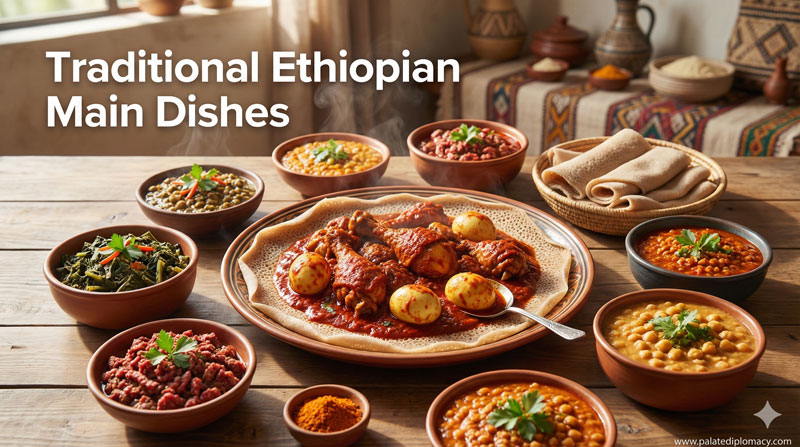
Kitfo finds its perfect stage on a bed of injera, the sour flatbread that Ethiopian Cuisine calls a plate and a utensil at once. Diners tear pieces of injera and use them to scoop the kitfo, folding in small portions and letting the flavors mingle with the bread’s tang. Often the dish arrives with simple accompaniments like ayib (a soft, white cheese) and a fresh green salad or collard greens. The arrangement invites sharing, as each person shapes bites with tortilla-like pieces of injera. The experience is tactile and social: hands and plates move in a gentle rhythm, and new flavors meet the bread in fragrant, satisfying harmony.
Cultural Value: Hospitality, Shared Meals, and Celebration
The beauty of kitfo lies as much in its social setting as in its taste. It is a dish meant to be shared, a centerpiece around which conversation and laughter flow. In many homes and restaurants, kitfo arrives during gatherings, festivals, and family meals as a symbol of welcome and generosity. The act of passing the platter, offering a bite to a neighbor, and enjoying bread-topped meat together creates a moment of community. Through kitfo, cooks communicate care: selecting fresh meat, balancing spice, and presenting a dish that invites others to slow down and savor. This culture of hospitality is visible in every serving, turning a simple meal into a small ceremony of belonging.
Regional Variations and Personal Touches
Across regions and households, kitfo varies in its texture, heat, and accompaniments. Some cooks grind the meat finely for a silkier mouthfeel, while others prefer a coarser mince that gives a more rustic bite. The spice level ranges from gentle to bold, depending on spice blends and personal taste. With niter kibbeh as the buttery core, households may tweak the ratio of fat and meat to suit local preferences. Many kitchens also offer a lightly cooked version, sometimes called “kitfo rare” or “kitfo lightly seared,” for those who want safer warmth while keeping the flavors lively. Regardless of variation, the central idea remains: honor the quality of the beef, respect the spice, and present a dish that feels both intimate and timeless.
A Traveler’s Guide: How to Experience Kitfo
For travelers, the best way to experience kitfo is through a thoughtful, hospitable setting. Seek places that emphasize freshness and clean preparation. If you’re new to the dish, ask about the level of cooking and the spice intensity—many cooks will tailor it to your palate. Pair kitfo with injera and a simple salad to appreciate how textures and acidity play with the meat and spice. A glass of honey wine or a cup of Ethiopian coffee after the meal can beautifully round the experience, reinforcing the sense of cultural warmth that kitfo embodies. By choosing a setting that values quality and care, travelers hear The Story in every bite—the story of a table shared with generosity and joy.
The Flavor of Place: Texture, Aroma, and Balance
Kitfo is memorable because it marries aroma, texture, and balance. The scent of the spices, the sheen of the butter, and the bright bite of the pepper create an irresistible invitation. The minced meat carries a clean, fresh taste that breathes when it meets the tang of injera. The butter adds a luxurious gloss that enriches rather than masks. Each bite feels both simple and sophisticated, a reminder that complex flavor can arise from a few well-chosen ingredients treated with respect.
Etiquette and Etiquette-Free Enjoyment
Enjoying kitfo invites a relaxed, respectful approach. It’s appropriate to share and to savor slowly. If you’re unsure about handling or portions, observe and follow the lead of locals or restaurant staff. The goal is comfort and connection: to feel welcome at the table and to appreciate the careful craft behind each serving. This ease makes kitfo accessible to curious travelers, inviting them to linger, ask questions, and learn the rhythm of Ethiopian dining.
A Quiet Celebration of Food Culture
Kitfo stands as a quiet celebration of food culture. It demonstrates how flavor, technique, and hospitality can come together on a single platter. The dish invites travelers to taste a tradition’s generosity, to observe how texture interacts with spice, and to honor the craft of those who prepare it. In this simple yet profound dish, food becomes a bridge to understanding and appreciation, one memorable bite at a time.
Conclusion: A Warm Welcome to Kitfo Lovers
For anyone curious about Ethiopian cuisine, kitfo offers a warm, welcoming invitation. Its cultural value rests in how it brings people together: a shared platter, a spoken and unspoken language of savoring, and a deep respect for ingredients and technique. Travelers who seek authenticity, flavor, and connection will find in kitfo a dish that lingers in memory—the aroma, the butteriness, the bright spice, and the smile of someone welcoming you to the meal. In kitfo, culture and cuisine meet at the same table, inviting everyone to taste a culture’s generosity and joy.