
Introduction
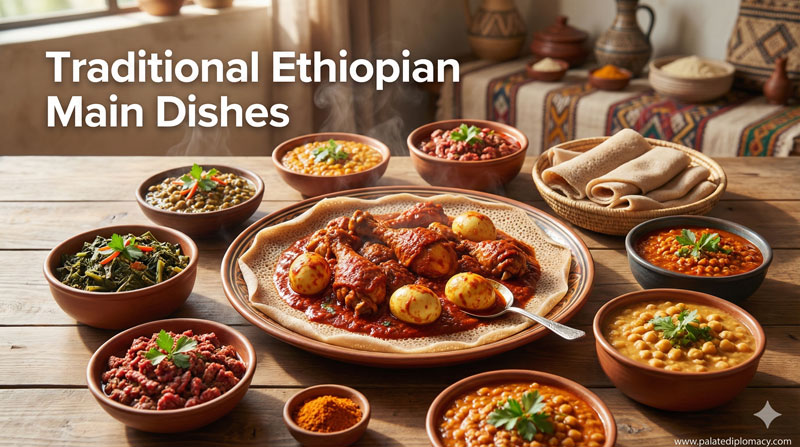
Minchet Abish is more than a dish; it is a doorway into a kitchen where scent and texture invite conversation, warmth, and curiosity. This savory preparation, built on minced meat and a chorus of spices, is celebrated for its approachable richness and its ability to illuminate a culture that loves to gather around the table. For travelers, the dish offers a gentle entrée into a culinary landscape known for balance, hospitality, and the joy of sharing a full plate. This post explores its cultural value and culinary significance, focusing on how the dish fits into daily life, celebrations, and the art of tasting together.
The Warmth of Ethiopian Hospitality
Food in this tradition is a language of welcome. Minchet Abish embodies that language through shared portions and a rhythmic procession of bites. When an order arrives, the aroma travels across the room, and faces light up as friends and strangers alike lean in to savor the first mouthful. The practice of eating from a common plate, often with injera, turns a meal into an occasion for storytelling, laughter, and mutual appreciation. This spirit of openness makes Minchet Abish an ambassador of hospitality, inviting travelers to step into a meal as a cultural experience rather than a simple recipe. The dish thus becomes a living example of how food fosters connection and mutual respect at the table.
The Flavor Narrative
Minchet Abish presents a savory profile that pleases a wide range of palates. The meat is tender and savory, enriched by onions, garlic, and a careful balance of spice. The cooking process rounds the flavors, letting each element shine while contributing to a cohesive, comforting finish. The aroma is warm and inviting, with a hint of earthiness and brightness that keeps the senses engaged. Pair it with tangy injera or a light salad, and the flavors harmonize in a way that mirrors the cultural emphasis on balance and harmony in everyday life. Travelers often remark on how the dish feels both familiar and subtly new, a reminder that comfort and curiosity can walk hand in hand.
Craft and Technique
The heart of Minchet Abish lies in technique as much as in ingredients. Chefs begin with quality ground meat, then build depth through slow sautéing of onions and a friction of spices. The goal is to achieve a texture that carries the sauce without losing its bite, so each bite reveals a gentle bite of meat and a soft, savory backdrop. Fresh herbs or citrus notes may be added to brighten the dish just before serving, underscoring the region’s fondness for bright, clean finishes that lift rather than overwhelm. The result is a plate that speaks of patience, careful heat, and respect for ingredients. This approach resonates with travelers who value craft and the quiet mastery found in home kitchens and traditional eateries.
Cultural Context in Everyday Life
Minchet Abish holds a place in daily routines as well as special occasions. It appears in family meals, festive gatherings, and informal bites that turn a simple afternoon into a moment of shared pleasure. The dish underscores a cultural preference for generosity and inclusion—food is something to be enjoyed together, not consumed in solitude. The shared plate, the pace of conversation, and the rhythm of serving everyone with care all contribute to a sense of belonging. For travelers, these rhythms offer a lens into how communities value generosity, conversation, and attentiveness at mealtimes, enriching their understanding of daily life beyond the plate.
What Travelers Love About Minchet Abish
Travelers are drawn to Minchet Abish for its inviting aroma, approachable richness, and the sense of discovery it offers. The dish often presents a comforting warmth that feels instantly welcoming, while its spice notes provide an elegant complexity that rewards attentive tasting. Many visitors appreciate how the dish pairs with injera, enabling a tactile, hands-on dining experience that deepens engagement with the meal. The social aspect—sharing bites, exchanging impressions, and observing the care that goes into preparation—adds a memorable layer to the culinary journey. In short, Minchet Abish invites travelers to slow down, listen to the kitchen’s stories, and savor the moment of arrival at a new table.
Pairings, Market Moments, and Memorable Moments
The experience surrounding Minchet Abish is as meaningful as the dish itself. In markets and traditional eateries, the dish is often accompanied by simple salads, lentil stews, or fresh flatbread, all designed to complement and balance flavors. The ritual of ordering, then watching the cook at work, creates a sensory memory—steam, spice, and the clink of shared plates. For travelers, these moments become lasting impressions of a place: the comfort of a bustling kitchen, the exchange of smiles over a plate, and the satisfaction that comes from a well-balanced, well-tended meal. Such experiences reinforce the dish’s role as a cultural anchor, a reason to linger, and a motivation to return.
A Fresh Invitation to Explore
If you are curious about culinary culture and the beauty of communal dining, Minchet Abish offers a welcoming invitation. Seek a table where the dish is prepared with care, observe the way ingredients converse on the plate, and enjoy the sense of belonging that comes with sharing food. With injera as the perfect partner, Minchet Abish becomes more than sustenance—it is a celebration of taste, tact, and togetherness. Travel, at its best, is about these quiet discoveries: a single dish that reveals a broader culture, a set of rituals that honor guests, and flavors that linger in memory long after the last bite.