
Why Travelers Are Falling in Love with Okra Soup
This dish, titled Why Travelers Are Falling in Love with Okra Soup, welcomes visitors with a warm aroma and a story told in every simmer. It is more than a meal; it is a passing moment between kitchens and a reminder of place and craft. Travelers discover in it a gentle invitation to pause, share, and listen to the heartbeat of a street, a market, and a home.
The Heart of the Kitchen: Ingredients and Techniques
Okra soup centers on fresh okra, vegetables, and a simmering stock. The ingredients may vary, but the spirit remains the same: patience and balance. Chefs begin with a light base of onions and peppers, add tomatoes for brightness, and pour in stock or water to awaken the pot. Okra contributes a natural thickness and a mild, grassy sweetness. Some cooks finish with a touch of oil, often palm oil for color and warmth, while others use a plain oil for a lighter finish. Protein such as fish, chicken, beef, or shellfish enriches the flavor without dulling the soup’s freshness. The result is a dish that rewards gentle heat and short, attentive simmering. The technique teaches care: every cut, stir, and boil matters, and the patience shows in the final bowl.
Texture and Color: The Culinary Signature
The texture is a unique signature of okra soup. The okra’s mucilage gives a smooth yet slightly stringy body that clings to the spoon and envelopes the other ingredients. This texture invites slow tasting, drawing travelers into the layers of aroma and flavor. The color shifts with the ingredients: a deep green from fresh okra, a warm, inviting red from tomatoes, and a golden gloss from oil. The balance between bright brightness and earthy richness makes the dish feel alive on the palate. It is this harmony of mouthfeel and hue that often draws curious travelers back for another spoonful.
Traditions on the Table: Serving and Accompaniments
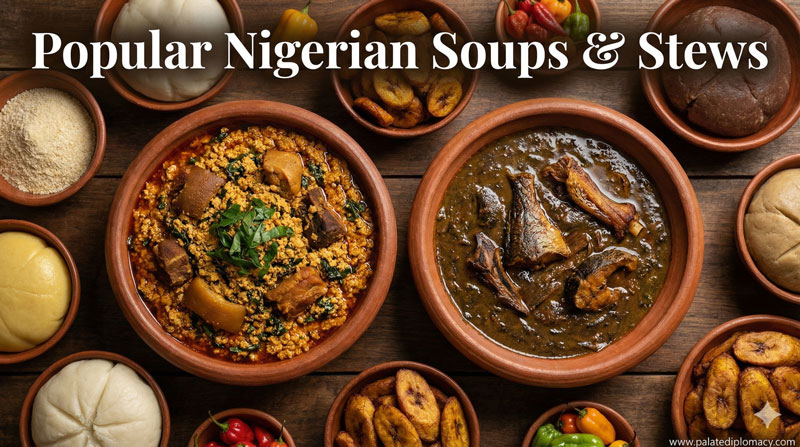
Okra soup is commonly served with a starchy accompaniment that soaks up its sauce and carries the flavors forward. Pounded yam, fufu, or garri are popular partners, while rice or cassava can also shine beside the bowl. In many homes, a lively exchange guides the meal: stories about harvests, family recipes, and kitchen tips are shared as the soup warms. Each serving becomes a small ceremony, a moment of connection that travelers quickly notice and value. The style of serving—steady ladles, communal bowls, and generous portions—adds to the sense of welcome.
A Slice of Everyday Culture: Markets, Kitchens, and Craft
Markets play a central role in the life of okra soup. Fresh okra in baskets, peppers stacked in pyramids, and the scent of stock simmering in the background all signal a living tradition. Travelers sense this energy as soon as they step into a kitchen or a bustling stall. The dish reflects daily life: seasonal produce, family recipes, and practical cooking that honors flavor over flash. This accessibility makes it easy for visitors to feel at home, even when they are far from their own kitchens.
How to Seek It on the Road: Tips for Travelers
To experience authentic okra soup, look for places that value fresh ingredients and clear technique. Ask about the proteins used and whether the soup is cooked with tomato, peppers, and a touch of oil. Note the texture of the okra and the balance of seasoning. Pair the soup with the traditional starch offered, and savor the pairing as a piece of the region’s dining ritual. When possible, dine with locals who can share the story behind the recipe and its everyday role in meals and gatherings. The goal is to feel the warmth, taste the season, and leave with a new favorite.
Conclusion: An Invitation to Explore Flavor and Culture
Okra soup offers travellers a welcoming doorway into Food Culture. It pairs simplicity with depth, everyday life with shared joy, and a kitchen’s craft with a universal appetite for good food. By trying this dish, travelers discover more than a meal—we reveal a bit of the place, the people, and the language of flavor that binds them together. If you seek a dish that nourishes the body and warms the heart, this is a thoughtful and inviting choice.