
Why Travelers Are Falling in Love with Paya
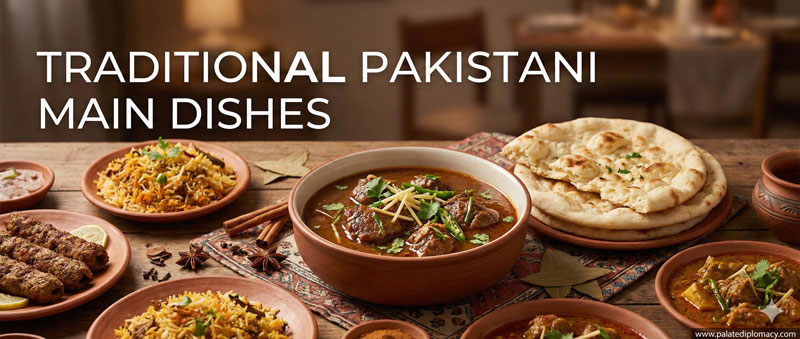
Paya is a warm, fragrant broth built from tender trotters. It welcomes travelers with a gentle steam and a rich, comforting aroma. The dish invites you to slow down, listen to the simmer, and taste a culture that values patience and heart in every bite. This is more than food; it is a welcoming ritual that travelers remember long after they leave the market.
The Craft Behind Paya
Paya gathers simple, sturdy ingredients into a quiet, soulful dish. Trotters and bones provide collagen and depth. Onions, garlic, and ginger lay a fragrant base. Whole spices—cinnamon, cardamom, cloves, cumin, coriander—float through the pot, infusing the broth with warm sweetness and spice. A pinch of salt and pepper tunes the flavor, while fresh herbs finish the bowl. Chefs slow-simmer the stock for hours, letting time soften textures and bloom aromas. The result is a silky, full-bodied broth with a glossy finish that clings to spoon and palate.
A Dish for the Senses
Paya balances texture and aroma with care. The broth feels silky on the tongue, while tender meat offers a contrasting bite. The spices rise in layers, first bright and citrusy, then earthy and warm. The steam carries notes of garlic, ginger, and sweet spice, inviting you to lean in and inhale. The complexity grows as you savor it with simple accompaniments, allowing each element to shine.
Cultural Moments Around Paya
In many kitchens and markets, paya marks a moment of connection. It appears at weekend gatherings, early-morning stalls, and family tables where stories and laughter rise with the steam. Sharing a bowl is a quiet ceremony of hospitality. It signals welcome, warmth, and togetherness. Travelers often encounter paya during a stay in a bustling town or a quiet village, where the dish acts as a bridge between street life and home cooking. The experience is as much about The Story of the pot as it is about the taste inside it.
Regional Voices: Variations Across Borders
Paya appears in several South Asian culinary traditions, and each region adds its own touch while keeping the dish’s essence intact. In some places, a touch of lemon or lime brightens the broth just before serving. In others, fresh cilantro or sliced chilies spark a Fresh contrast to the deep, simmered flavors. The spice blends may lean more toward fennel and pepper in one kitchen, or toward cardamom and cinnamon in another. These nuances reveal how cooks adapt a single dish to local palates and seasonal ingredients, while preserving a shared sense of comfort and ritual.
Serving and Pairings
A well-set bowl of paya invites thoughtful pairing. Serve it with warm naan, soft roti, or a bed of fluffy rice. Finish with chopped fresh coriander, a squeeze of citrus, and a drizzle of hot chili oil if desired. A side of pickles can offer a bright, tangy counterpoint. The right accompaniments heighten the broth’s aroma and texture, making each bite feel both familiar and exploratory for travelers.
The Traveler’s Experience: Scent, Scene, and Slow Food
Travelers often notice three things when they first encounter paya. First, the aroma—a gentle blend of spice and warmth—draws people toward the pot. Second, the scene around the bowl—a market stall, a family kitchen, or a bustling counter—tells a story of shared food and daily life. Third, the pace of eating. The dish invites you to take your time, to listen to the pot breathe, and to savor the layers of flavor. This patient approach aligns with the rhythm of travel itself: slow, attentive, curious.
A Lesson in Hospitality
Paya teaches a simple, enduring lesson: good food grows from patience and care. The longer you allow it to simmer, the deeper the flavor and texture become. Travelers notice this patience as a form of hospitality in motion. The dish offers a welcoming pause in a busy journey, a moment to rest, reflect, and appreciate the craft of cooks who tend the flame. In this way, paya becomes more than a meal; it becomes a memorable hospitality ritual.
How to Experience Paya Mindfully
- Seek a spot where the pot is kept nearby and the steam carries the scent.
- Observe the slow simmer and the way the broth coats the spoon.
- Taste with simple sides first, then add accent flavors like citrus or chilies as you prefer.
- Note how the spices unfold over time—some notes arrive early, others linger.
- Share a bowl with locals or fellow travelers to hear personal touches from different kitchens.
A Timeless Dish, A Fresh Discovery
Paya remains timeless because it speaks through texture and aroma. Its cultural value lies in the care of the simmer, the generosity of the serving, and the way a single bowl can anchor memory. For travelers, paya offers a quiet invitation: to explore a cuisine through its heartwarming broth, to witness how daily meals become treasured rituals, and to carry a small, flavorful reminder of the places and people met along the road.