
Why Travelers Are Falling in Love with Paya
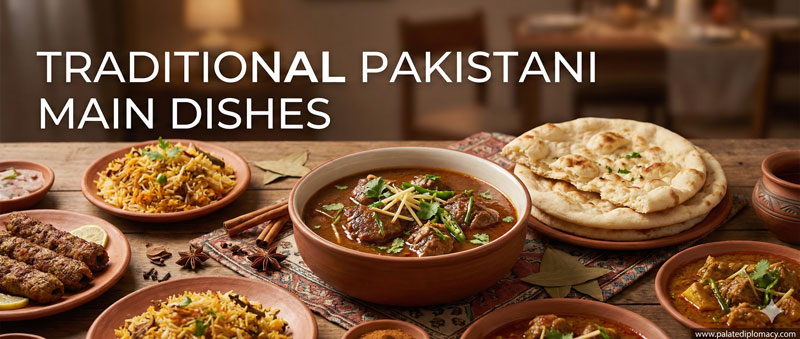
Paya is a warm, aromatic bowl that invites curious travelers to slow down. The dish centers on a rich broth made from tender trotters and bones. Heat and time blend the flavors until the liquid feels velvet on the tongue. Travelers taste more than a soup; they taste a ritual, a daily rite carried to the street and into homes. The aroma draws people in, and the texture keeps them lingering for another spoonful.
The Simple Ingredients, Rich Layers
Paya starts with a few humble items. Bones and trotters provide depth and a natural glaze. Aromatics like garlic, ginger, and onions add brightness. Spices such as cumin, coriander, and pepper bring warmth without overpowering the bone-rich sweetness. Fresh herbs and a squeeze of lemon can brighten the finish. In short, simple ingredients come together to form a layered, comforting flavor.
The Slow Simmer: Time as Flavor
The secret of Paya is in the simmer. The pot stays gentle, and heat never rushes the process. First, the ingredients meet the broth and begin their quiet collaboration. Next, flavors melt into the liquid as collagen releases a silky richness. Finally, after many hours, the soup reveals its full character: a balance of heartiness, savor, and a clean, lingering finish. This patience is part of the dish’s charm.
Aromatics and Technique: A Scented Symphony
A well-made Paya fills the room with a welcoming scent. The base notes come from aromatics that bloom as they cook. The kitchen becomes a stage where garlic, ginger, and onions caramelize softly. The spices ride the steam, releasing peppery and citrusy hints. Each stir and simmer adds to a scented layer that travelers often remember long after the meal ends.
Tradition in a Bowl: Shared Meals and Hospitality
Paya is most often enjoyed as a shared experience. People gather around a steaming pot or a table with warm flatbreads. A squeeze of lemon, chopped cilantro, or sliced chilies can personalize the bowl. The act of sharing makes the dish feel Like a welcome, around which conversations begin and bonds deepen. In many places, serving Paya is a gesture of hospitality, a way to say, “You are seen, you are cared for.”
Regions and Profiles: A Dish Across Places
Though the core idea remains the same, Paya adapts to local tastes. Some regions prefer a brighter citrus note; others favor a heavier, earthier spice profile. The method may vary—shorter simmering in one area, longer in another—but the essence stays: a nourishing, deeply flavorful bowl that invites you to slow down and listen to the simmer. This flexibility makes Paya a bridge between kitchens and travelers’ curiosities.
A Traveler’s Guide to Tasting Paya
To experience Paya fully, seek a place where cooks emphasize technique and patience. Begin with a small taste and note the broth’s thickness and warmth. Pair the soup with fresh flatbread or steamed rice to soak up the rich sauce. Add a hint of brightness with lemon and herbs, if offered. Sit, savor, and share a moment with those who served the dish. In this way, Paya becomes more than food—it becomes a memory you carry back home.
This dish honors craft, patience, and hospitality. It offers A Window into daily life through flavor, texture, and aroma. For travelers, Paya remains a compelling invitation to slow down, listen to the simmer, and celebrate the beauty of a well-made bowl.