
Why Travelers Are Falling in Love with Paya
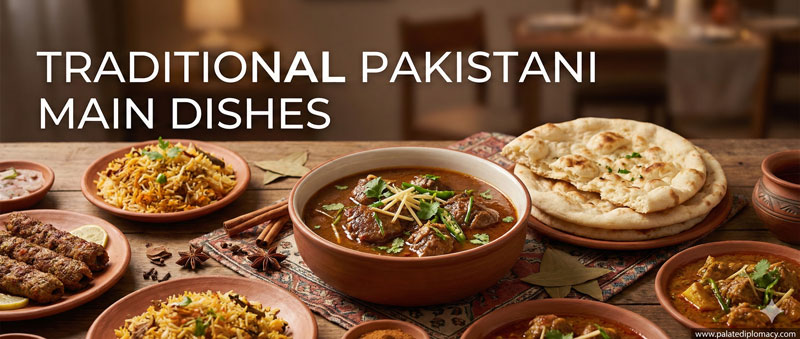
Paya welcomes travelers with a bowl that feels both familiar and new. It offers warmth, depth, and a sense of place that lingers long after the last spoonful. The dish invites slow moments: steam curling above the surface, spices brightening the room, and broth that coats the palate with a smooth, satisfying hug. Travelers discover that paya is more than a meal; it is A Window into local rhythms, kitchen craft, and everyday hospitality. In every bite, you meet a tradition that values patience, balance, and the shared joy of eating together.
A Dish Rooted in Shared Meals
Paya thrives in social settings. It is the kind of dish that arrives at the table during gatherings, late dinners, or early morning breakfasts when conversations flow as freely as the steam. Families, neighbors, and friends come together around a pot that seems to carry stories from past meals. The act of serving paya becomes a gesture of care: a ladle full for a guest, a nod to the cook, a moment to savor the aroma before tasting. This communal spirit is a quiet thread that runs through many kitchens, turning a simple bowl into an offering of hospitality. Travelers sense this generosity and feel welcomed into the rhythm of daily life.
The Slow Craft: Flavor, Texture, and Technique
Paya is built on the craft of slow simmering. The broth rests on the natural gelatin from the bones and trotters, growing richer as time passes. A base of onions, garlic, and ginger forms a fragrant map, while spices like cumin, coriander, and garam masala weave warmth through the liquid. The process rewards patience: skim the surface to keep the broth clear, control the heat to coax tenderness, and let the flavors meld until the meat nearly falls away from the bone. The result is a broth that carries a gentle sweetness, a meat that is tender and moist, and a finish that lingers with spice and brightness. This careful technique speaks to a culinary heritage that values technique, attentiveness, and artistry in everyday cooking.
Regional Notes: Variations Across Kitchens
Across regions, paya offers subtle and delightful differences. In some kitchens, the dish uses clear, intense broth with a focus on the meat’s texture. In others, a touch of yogurt or a splash of tomato adds brightness and tang. Spice blends may vary: a more prominent cardamom note in one place, a peppery finish in another, or a hint of fennel for fragrance. The choice of meat can also shift the character—from goat to lamb to a regional favorite—each bringing its own richness. Yet the core idea remains the same: a slow, soulful soup that centers on warmth, comfort, and a sense of shared food and care. Travelers notice how these nuances reflect local pantry traditions and personal touches from cooks who greet them with curiosity and generosity.
The Senses of Paya: Aroma, Taste, and Color
As paya cooks, the kitchen fills with perfume. The onion sweetness, the sharp bite of garlic, and the brightness of ginger mingle with earthy spices. The aroma hints at the depth to come, drawing you toward the table. The taste profile offers a comforting balance: savory, slightly sweet, and gently spiced, with a silky mouthfeel that comes from the broth’s gelatin. The color—rich amber with a hint of depth from the long simmer—invites the eye as well as the palate. The presentation often includes a squeeze of lemon, chopped cilantro, and crisp bread on the side, turning the bowl into a full sensory experience that travelers remember long after they leave the table.
How to Seek Out Paya on Your Travels
If you are a traveler seeking paya, look for family-run eateries, local markets, or restaurants that highlight traditional soups. Ask for the house specialty if you can, and listen for phrases that signal a long-simmered broth and tender meat. Serve paya with fresh bread or flatbread to scoop up every last bit of broth, and pair it with a simple green chili or a tangy citrus wedge to brighten the flavors. A hot cup of tea can accompany the experience, reinforcing the sense of welcome that comes with a steaming bowl. These moments—flavor, warmth, and conversation—become a memorable part of your journey.
A Gift of Hospitality: Food as Place
Paya embodies a sense of place that travelers often seek: a meal that reveals daily life, a kitchen that guards cherished techniques, and a table that invites companionship. Each bowl tells a story of careful preparation, shared recipes, and the joy of nourishment. In these quiet details, paya helps travelers feel connected to the places they visit. The dish invites reflection on how food carries memory, how spices travel from market to pot, and how a single pot can knit strangers into a welcoming circle. For many, paya becomes a beloved waypoint in travel—an experience that honors flavor, family, and the human warmth that sits around a shared table.