
Why Travelers Are Falling in Love with Tibs
Travelers seek a taste that speaks softly yet clearly of a place. Tibs does just that. It invites you to pause, notice aroma, texture, and color, then share with others around a table. This dish is more than food; it is a doorway into a warm culinary moment. The first bite offers a savory harmony of meat, vegetables, and spice. The finish lingers with a comforting glow. Visitors find tibs memorable because it feels honest and welcoming, a dish that welcomes curiosity and rewards it.
The Core of Tibs: What It Is and How It Is Made
Tibs is a dish of sautéed meat cut into small pieces. Beef is common, but lamb and chicken also appear with equal care. Onions, peppers, and tomatoes create a bright, singing base. A blend of spices, especially berbere, gives depth, warmth, and a gentle kick. Garlic and ginger often join the mix, adding brightness and bite. Some cooks finish with a kiss of spiced clarified butter, known as niter kibbeh, which enriches the aroma and smooths the texture. The cooking method is practical and lively: hot pan, quick sear, then gentle toss until the meat gems are coated with sauce. The result is tender meat with a glossy glaze and a scarf of vegetables that remains crisp enough to sing. Tibs is usually served with injera, a spongy, sour flatbread that acts as both plate and utensil. This pairing lets the sauce be scooped up along with bites of bread, creating a satisfying, flowing meal.
Flavor and Technique: The Spice Path
Berbere stands at the heart of tibs. This spice blend layers chili heat, garlic, onion, and a constellation of seeds and seeds, lending both heat and warmth. The exact mix travels from kitchen to kitchen, giving each tibs its own personality while preserving a recognizable spirit. The technique—high heat for a quick sear, then a lighter simmer—helps each piece of meat stay juicy. The vegetables contribute texture and brightness, balancing the spice with a fresh note. A finish of niter kibbeh adds a fragrant, nutty depth that lingers Like a memory of spices remembered. The overall effect is a savory perfume that fills the room and makes foot traffic pause at the doorway. Travelers often notice the fragrance before they see the dish, and that scent continues to lure them back.
The Social Plate: Tibs at the Table
Tibs shines brightest when shared. The dish appears at gatherings and festive meals, carried toward the center of the table on a broad platter. People dip with injera, tearing off pieces as conversations unfold. The experience is slow enough to savor but lively enough to feel communal. In many settings, tibs is the anchor of a larger feast, accompanied by lentil stews, salads, and a bright salad of fresh vegetables. The act of passing and sharing encourages connection, which travelers feel as hospitality in action. This social rhythm—eat, compare notes on flavor, laugh softly, and pass the bread again—embeds tibs in memory as a moment of togetherness. For many visitors, the dish becomes the first clue to a culture that values generosity and shared enjoyment.
Regional Variations and Personal Touches
Tibs takes many forms, each with a note of local pride. Beef tibs is the classic version, bold and robust. Lamb tibs offers a slightly sweeter, more mineral finish, with a gentler fat gloss. Chicken tibs tends to be lighter, tasting of the meat’s clean sweetness and the spice’s brightness. Some cooks add vegetables such as green peppers, mushrooms, or tomatoes for color and texture. Others favor a leaner cut and a quicker sauté to preserve tenderness. The choice of fat—whether smooth clarified butter or a neutral oil—can subtly shift the aroma and mouthfeel. Across homes and restaurants, tibs adapts to the pace of the kitchen while preserving its essence: meat, spice, and a shared, joyous moment at the table.
A Traveler’s Sensory Journey: Scent, Sound, and Taste
The traveler’s path to tibs begins with aroma. A fragrant sizzle, the bold scent of spices, and the warmth of fat infused with garlic and ginger create an immediate sense of arrival. The sound of the pan, the soft crackle of vegetables meeting heat, signals a careful, skilled cook at work. The sight is inviting: glossy meat glistening with spice, vibrant vegetables, and the earthy color of injera nearby. The taste confirms the invitation: a balance of savory meat, bright onion and pepper, and a nuanced spice finish. The meal feels both comforting and adventurous, a pairing that suits travelers who want to recall a place through its flavors. Tibs also demonstrates how technique and tradition meet in everyday cooking, turning a simple skillet into a storytelling vessel.
Pairings and Presentations: How It’s Served
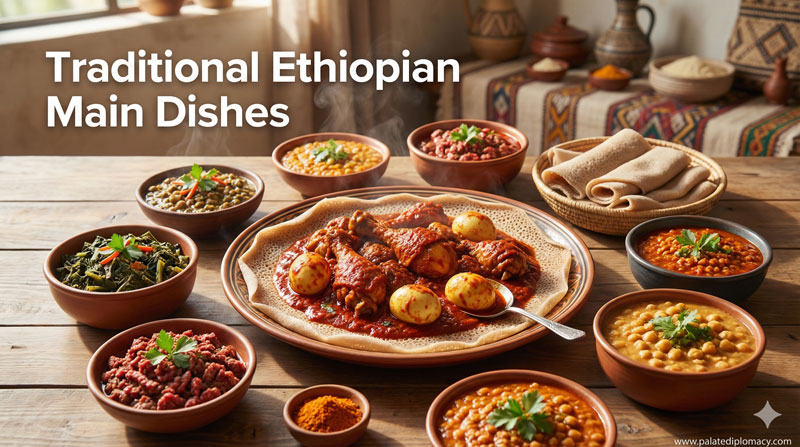
Tibs is most often presented on a shared platter, with injera arranged beneath and around it. The bread invites guests to scoop, press, and wrap bites, turning eating into a dance of hands and shared bites. Sides are simple and bright: a fresh salad, a tangy shiro, or a cucumber-yogurt relish can accompany the dish without competing with its bold flavors. The colors—reddish-brown meat, emerald peppers, and tan injera—create a visual invitation to taste. The presentation emphasizes warmth and hospitality, signaling that the meal is about companionship as much as flavor. For travelers, this is a signature moment: a dish that looks generous, smells inviting, and tastes deeply satisfying.
Bringing Tibs Home: Tips to Recreate the Experience
To capture tibs at Home, start with a good spice base. Use a ready berbere blend or mix paprika, cumin, coriander, fenugreek, and a touch of chili powder for warmth. Choose a cut of meat you enjoy, cut into bite-sized pieces, and pat dry before cooking. Sauté onions in a small amount of fat until translucent, then add garlic and ginger. Add the meat and cook on high heat for a quick sear, then lower the heat and fold in peppers and tomatoes. Finish with a pat of butter or a whisper of niter kibbeh if you have it. Serve with warm flatbread or over rice, and offer a simple salad on the side. The result is a dish that travels well from kitchen to table, maintaining the essence of tibs wherever you are.
In the end, tibs offers travelers a heartfelt encounter with Ethiopian culinary craft. It celebrates the joy of cooking, the warmth of sharing, and the beauty of spice-led sustenance. Each bite is a quiet celebration of flavor, texture, and human connection. It welcomes curious palates and rewarding memories, inviting everyone to return for another shared plate.