
Why Travelers Are Falling in Love with Korma
Travelers wandering through vibrant markets often pause at a simmering pot to inhale a warm, nutty aroma. Korma draws them in with its creamy texture and gentle spice. Beyond taste, the dish carries a quiet cultural value: it echoes hospitality, shared meals, and careful craft passed down through generations. The Story of korma is a story of balance—between dairy and spice, between patience and speed, and between a cook’s hand and a guest’s delight. For many travelers, this balance becomes a memorable window into local Food Culture.
The Craft of Korma
Korma is a study in layering. The base usually starts with onions softened in oil or ghee, then a paste of ground nuts—often cashews or almonds—creates a silkier, richer sauce. Yogurt or cream adds tang and creaminess, while a careful blend of spices builds warmth rather than heat. Common companions include green cardamom, cinnamon, cloves, cumin, coriander, and a light touch of chili. The dish often finishes with saffron threads, a drizzle of ghee, and a final swirl of nut paste to deepen the texture.
Key techniques define its character. Spices bloom in fat, releasing scent before the liquid joins the pot. Slow simmering lets flavors meld without thinning the sauce. The result is a sauce that coats tender meat or vegetables with a velvety surface and a gentle, lingering finish. Each cook may adjust the balance slightly, creating unique, yet recognizable versions that travelers can seek out in different towns.
Aromas, Texture, and the Senses
In the first bite, a traveler notices the creamy body of the sauce and the soft bite of the protein or vegetables. The nuts contribute a nutty sweetness that smooths any sharp edges from spices. Cardamom offers a bright lift; saffron adds a subtle floral note; toasted aromas rise as the sauce reduces. The texture is smooth and luxurious, but never heavy. This combination makes korma a comforting dish that feels both special and approachable—an edible welcome after a day of exploring.
Cultural Value: Hospitality and Shared Meals
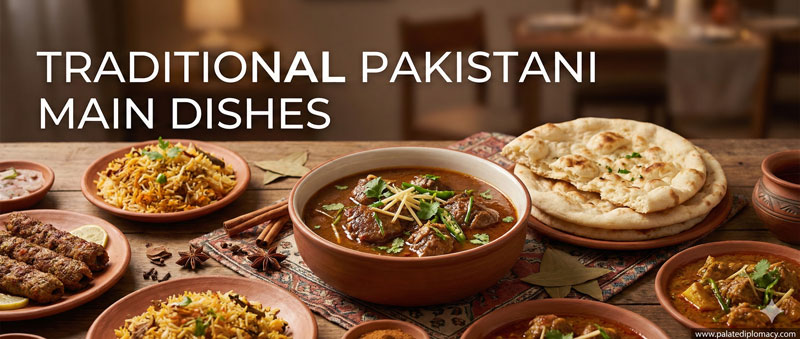
Korma invites sharing. It appears in family kitchens, at festive gatherings, and in friendly restaurants where bowls are passed around and conversations flow as freely as the sauces. The dish embodies the idea that food is a bridge between people. It is common to accompany korma with fragrant basmati rice or soft breads like naan or paratha. Fresh chutneys or cooling raita may provide a counterpoint to the creamy richness, enhancing the sense of balance at the table. In many places, serving korma signals a desire to nourish guests warmly and thoughtfully.
Regional Variations Across the Subcontinent
Korma embraces regional identity in its richness. In some regions, chefs enrich the sauce with a touch of yogurt, cream, and a thicker nut paste for a silkier finish. In others, yogurt is balanced with tomatoes or a whisper of citrus to lighten the sauce. Hyderabadi versions may lean toward a deeper spice profile with nut pastes that linger on the palate. Kashmiri-inspired korma might showcase pale colors and a delicate sweetness from saffron and milk-based greens. Mughlai traditions emphasize opulence and depth, often with more pronounced nut and cream content. Navratan korma, a variation loaded with vegetables and mixed nuts, spotlights the regional palate for color, texture, and balance.
This variety reflects how cooks adapt to ingredients, market availability, and personal taste while preserving the essential idea: a gently spiced, dairy-forward sauce that celebrates richness without overwhelming the main ingredients.
Travelers’ Experiences in Markets and Kitchens
Travelers are drawn to korma by the experience as much as the taste. In markets, you may observe a cook toasting spices, grinding a paste, and coaxing fragrance from the pan. In a kitchen or a small restaurant, the patience shown in slow simmering becomes a lesson in culinary mindfulness. The dish often arrives with a flourish of aroma that lingers, inviting another bite and another story. This sensory journey—aroma first, texture second, and the lasting aftertaste third—makes korma a memorable part of the travel culinary trail.
Pairings and Accompaniments
Korma pairs beautifully with simple, fragrant staples. Plain basmati rice lets the sauce shine, while naan or paratha offers a chewy counterpoint that picks up every creamy corner. A crisp salad or pickled vegetables can provide a refreshing contrast. A dollop of cooling raita helps balance the richness for palates that prefer something lighter. The right accompaniment makes the dish feel complete and enhances the sense of place.
A Living Tradition: Everyday and Festive Meals
Korma sits comfortably in both daily meals and celebratory occasions. In everyday cooking, it demonstrates the value of careful technique, steady heat, and patience. In festive settings, it becomes a dish of generosity and welcome. The shared nature of the meal—every guest receiving a spoonful, every spoonful offering warmth—gives travelers a tactile sense of a community’s hospitality. The dish travels well in memory, becoming a culinary souvenir that travelers carry back in their conversations, journals, and cravings.
Craft, Culture, and Curiosity
Korma stands at the crossroads of craft and culture. It invites cooks to balance dairy richness with spice harmony, to respect ingredient quality, and to honor time-honored methods. For travelers, it offers more than flavor; it offers a doorway into kitchens and dining rooms where food is prepared with care, conversation follows, and every bite reflects a place’s sense of welcome. The dish remains inviting, respectful, and deeply rooted in the beauty of shared meals.
Conclusion: An Invitation to Explore
If you are a traveler who savor life’s quiet, delicious rituals, korma welcomes you. It is more than a curry; it is a cultural practice that celebrates hospitality, craft, and the joy of gathering. As you explore markets, kitchens, and small restaurants, allow the creamy, nutty, fragrant bowls to guide you toward conversations, new friends, and a deeper appreciation for the art of regional cooking. In every spoonful, you taste a tradition that invites you to stay a little longer and to listen a little closer to the flavors that connect us all.