
Why Travelers Are Falling in Love with Injera with Wat
Travelers seek meals that tell a story. Injera with Wat invites you into a shared moment, where each bite feels Like a welcome. The dish blends history, craft, and warmth in a single, inviting plate. It stays with you because it uses simple ingredients to create a memorable experience.
The Ingera: Plate, Bread, and Culture
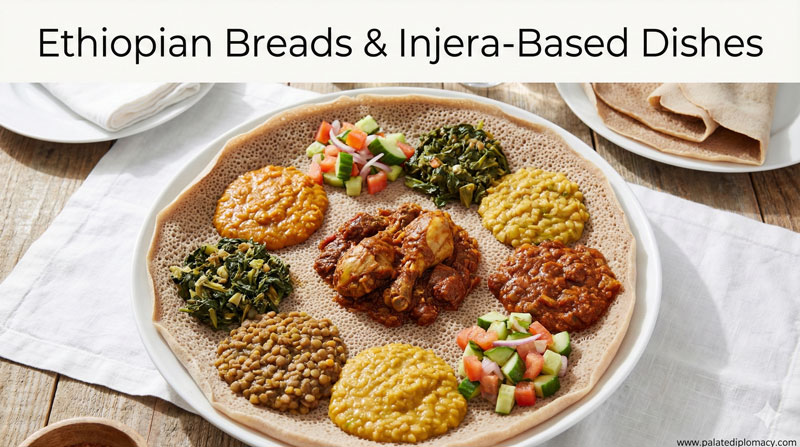
Injera is more than food. It is a soft, spongy canvas made from teff flour. The batter ferments slowly, giving a gentle tang and a light, airy texture. When poured and cooked on a hot surface, it becomes a round loaf with countless little bubbles. The result is both a bread and a plate. Diners tear pieces from the edge and use them to scoop sauces and morsels. This act of tearing and sharing carries a sense of togetherness that travelers notice first. The color, aroma, and texture speak of harvests, patience, and community.
Wat: The Heart of Flavor
Wat, or stew, sits at the center of the meal. It comes in many forms: lentil, chickpea, beef, or vegetable variations. Berbere, a warming blend of chili, garlic, ginger, and other spices, gives Wat its depth and glow. Slow simmering unlocks a harmony of heat, sweetness, and savoriness. The broth clings to the injera, inviting you to savor every spoonful. This stew is a showcase of balance—soft legumes or tender meat, bright herbs, and the aromatic spices that linger at the end of the bite. Travelers often describe Wat as comforting, yet thoughtfully complex, like a story that unfolds with each spoonful.
Shared Meals and Social Grace
Eating Injera with Wat Is a social ritual as much as a culinary choice. Diners gather around a shared platter, each person using pieces of injera to lift bits of Wat. The pattern of dipping, tearing, and passing creates a quiet choreography of hospitality. The meal invites conversation, laughter, and a sense of ease. It is food that slows time just enough to notice a friendly nod, a warm compliment, or a new flavor insight. For travelers, this social rhythm often feels refreshing—a simple reminder that food can connect people across ages and backgrounds.
Texture, Aroma, and Color
The sensory experience is central to the appeal. Injera offers a tender, springy bite with a mild, tangy aroma. The Wat adds color—from the earthy browns of cooked lentils to the rich reds of spiced meats. The steam carries a bouquet of garlic, onions, chili, and warm spices. The texture work is delicate: the Injera soaks up the sauce, becoming a soft, pliable partner to each bite. Combined, they create a harmony of softness, bite, and aroma that travelers often describe as unforgettable.
Why Travelers Are Drawn to This Dish
Travelers are drawn by authenticity and community. Injera with Wat feels rooted in everyday life, yet inviting to new tastes. The dish is approachable: you can start with a bite of injera and gradually explore the variety of Wat. It carries a sense of place that is both welcoming and timeless. The meal travels well in the mind long after the last bite, inviting future tasting adventures and consideration of how flavor, texture, and sharing work together.
Bringing It Home: Simple Ways to Experience It
To recreate the spirit at home, start with ready-made injera from a specialty market or a well-stocked store. Pair it with a simple Wat recipe: simmer red lentils with onions, garlic, tomatoes, and Berbere for depth. Adjust heat to taste and finish with a touch of salt and lemon if you like. Serve hot, with warm injera for scooping. The goal is to honor the balance of flavors and the joy of sharing.
A Gentle Invitation to Taste and Culture
Injera with Wat offers a window into a culinary tradition built on patience, warmth, and communal joy. Its beauty lies in how a humble plate can carry so much meaning—teff’s tiny grains turning into a soft, sour canvas, and a pot of Wat becoming a conversation. For travelers and locals alike, the dish remains a gracious invitation to slow down, savor, and celebrate the simple art of eating together.