
What Makes Zilzil Tibs So Special in Ethiopia
Zilzil tibs is a celebrated Ethiopian dish that invites the senses to a warm table. It blends skill, shared effort, and a sense of belonging. The sizzling sound signals hospitality and care. This dish isn’t just food; it is a moment to connect with family, friends, and neighbors around injera.
The Sizzle: Technique and Texture
First, cooks cut meat into thin, fast-crying strips. Next, they heat oil or clarified butter until the pan hums. Then the meat enters the pan with onions, peppers, and garlic. The meat shreds lightly and stays tender because it cooks quickly over high heat. The sound of sizzling carries the mood from the kitchen to the dining area. This technique creates a bright aroma, a glossy finish, and a lively texture that bites with warmth.
Flavor and Ingredients That Tell a Story
Zilzil tibs offers a balanced bite of savory depth and gentle heat. The key notes come from the meat, onions, and peppers. Spices like berbere or mitmita add a respectful kick, while niter kibbeh (spiced clarified butter) adds a smooth, nutty richness. Fresh garlic and herbs lift the dish, giving it brightness without overpowering the meat. The result is a harmonious blend of roasted, smoky, and slightly sweet flavors, all in harmony with the natural savor of the meat.
Cultural Role: Hospitality and Gatherings
In Ethiopian culture, meals are shared moments. Zilzil tibs often appears at family gatherings, celebrations, and weekend meals, where everyone gathers around the table. It brings people together in conversation and laughter. The dish celebrates the idea that food is a bridge between generations. When the skillet arrives at the table, guests feel welcomed and valued. The sizzling aroma sets a tone of warmth and generosity.
Serving Style and Etiquette
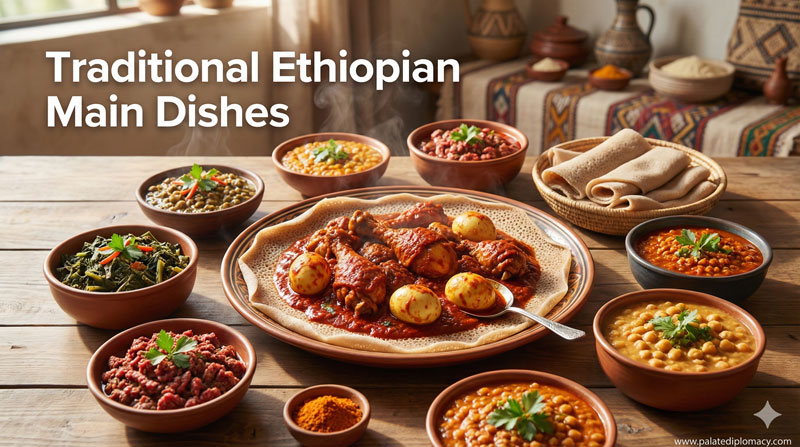
Zilzil tibs is traditionally served on a hot serving dish or a clay skillet. Injera, the spongy flatbread, is laid out or torn and used to scoop the meat. Diners eat with their hands, turning each bite into a shared ritual. The balance of meat, vegetables, and sauce invites plenty of dipping. This method encourages a relaxed pace and a sense of conversation that lasts beyond the final bite.
Regional Variations and Personal Touches
Across regions, cooks adapt zilzil tibs to local tastes. Some prefer beef, others choose lamb or chicken. The level of chili heat, the amount of butter, and the spice mix can vary. Yet the core idea remains: a quick, flavorful, communal dish that highlights skill and heart. The versatility makes zilzil tibs a common, reassuring presence on many Ethiopian tables.
A Window into Everyday Ethiopian Hospitality
Zilzil tibs embodies hospitality, skill, and culture in one bright plate. It shows how food can celebrate everyday life with joy and care. By savoring it, you glimpse a tradition that values fresh ingredients, precise technique, and generous sharing. The dish remains a testament to the beauty of Ethiopian food and its place in daily life.