
Introduction
What makes Zrazy stand out in Polish cuisine? It is the moment when humble ingredients become a memorable, comforting dish. The rolled meat, tender and aromatic, carries a sense of home and care. In Polish kitchens, Zrazy invites people to slow down, share, and savor a story told through flavor. This dish embodies warmth, skill, and a quiet celebration of seasonal produce.
What Are Zrazy?
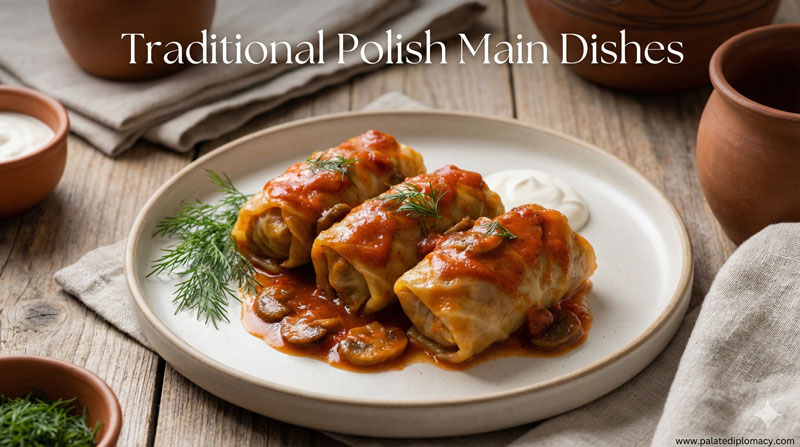
Zrazy are rolled pieces of meat wrapped around a filling, then browned and gently braised. The most common version uses beef, though pork is also enjoyed in many regions. Fillings vary widely, from onions, pickles, and bacon to mushrooms, hard-boiled eggs, or a simple herb corner. The result is a compact cylinder of savory richness, ready to soak up sauce and coordinate with starchy sides. When plated, Zrazy present as neat, polished portions that demonstrate care in preparation as well as in presentation.
The Craft Behind Zrazy
The beauty of Zrazy begins in technique. The meat is pounded to a uniform thickness, seasoned with salt, pepper, and a touch of marjoram or other gentle herbs. The filling is laid in a line, then the meat is rolled tightly and tied or skewered to hold its shape. A quick brown in a hot pan builds color and depth, while a slow simmer in a flavorful liquid finishes the cooking. The sauce often relies on the pan fond, enhanced with onions, mushrooms, stock, and sometimes a splash of sour cream or cream for a gentle tang. The end result is a dish with a soft interior and a glossy, inviting exterior that carries the fragrance of the kitchen.
Regional Flavors and Fillings
Polish regions contribute their own voice to Zrazy. In some areas, a classic combination of onion, pickled cucumber, and a strip of bacon inside the roll remains popular. Others favor mushroom or a small slice of egg, adding variation without overpowering the meat. The choice of sauce and accompanying starches changes with the land and the season. Potatoes, mashed or roasted, are a faithful partner, while buckwheat or dumplings offer a different texture. These regional touches underscore how Zrazy adapts while staying true to its core idea: a rolled, flavorful parcel of meat paired with a savory sauce.
A Dish of Hearth, Hospitality, and Craft
Zrazy holds a gentle place in the culture of Polish dining. It is a dish of hospitality, prepared with attention and shared at the table. The rolling and braising require time, but the payoff is a dish that feels both luxurious and accessible. Its preparation invites family or friends into the kitchen for a collaborative moment—a chance to pass down tips on tenderizing meat, choosing fillings, or judging when the sauce is perfectly balanced. In this way, Zrazy becomes more than a recipe; it is a neighborhood of memories, built around the aroma that fills the room.
Serving, Pairings, and Presentation
Zrazy shine when plated with care. A neat slice reveals a hint of the filling inside, and a generous spoonful of sauce coats the surface. Pair the dish with softly mashed potatoes or lightly buttered dumplings to echo the dish’s comforting texture. A side of braised cabbage or pickled vegetables adds acidity to balance richness, while a sprig of fresh parsley brings a bright note. For beverages, a light beer or a crisp white wine complements the meat’s savor without overpowering it. The serving style emphasizes balance: tenderness, aroma, and a clean plate that invites second helpings.
Modern Twists Without Losing the Soul
Today, cooks explore new expressions of Zrazy while honoring tradition. Some recipes use chicken or turkey for a lighter variant, while others introduce vegetarian fillings based on mushrooms and lentils for plant-forward meals. A touch of paprika or smoked pepper can lift the dish without masking its core character. Yet the essence remains the same: a rolled piece of meat wrapped around a flavorful core, braised to tenderness, and presented with a confident, comforting sauce. These modern versions keep the dish relevant in contemporary kitchens while preserving its cultural heart.
The Place of Zrazy in Polish Food Culture
Zrazy exemplify the Polish love of balance—between texture and taste, simplicity and complexity, tradition and experimentation. They show how a single technique can host a spectrum of fillings and stories. The dish is accessible to home cooks yet refined enough for special occasions, making it a versatile emblem of Polish culinary art. The careful preparation and thoughtful pairing reflect a culture that values nourishment, shareability, and the joy of presenting a well-made plate to others.
A Timeless Invitation to the Table
In every bite, Zrazy invites you to appreciate craft and care. The rolled meat carries the flavors of its fillings and the patience of its braise. The sauce completes the dish with warmth and depth. The experience extends beyond taste: it is about gathering around the table, exchanging stories, and starting a meal with intention. This is the beauty of Zrazy—a dish that feels timeless, yet remains wonderfully alive in modern kitchens.
Conclusion
What makes Zrazy So Popular in Polish cuisine is not only its satisfying flavor, but its ability to unite technique, tradition, and warmth. It represents the care of a cook who chooses ingredients thoughtfully, the generosity of a family sharing a meal, and the elegance of a dish that wears its heart on its plate. As an introduction to Polish culinary culture, Zrazy offers a welcoming gateway to the flavors, textures, and shared rituals that make Polish food so inviting. If you seek comfort, craft, and a sense of place in a single dish, Zrazy offers a delicious, respectful expression of Polish cooking.